

Blogs

A glass of whipped coffee (Dalgona coffee) with thick frothy coffee foam layered over cold milk
Blogs, Coffee Recipes

How to Make Whipped Coffee

How To Make Whipped Coffee Whipped coffee, also known as Dalgona coffee, took social media by storm and quickly became a favorite for coffee lovers everywhere. With its light, frothy top and creamy finish, it turns a simple cup of coffee into something that feels a little more special. At its heart, it’s just instant coffee, sugar, and hot water whipped together until it becomes fluffy and cloud-like. Then it’s served over milk for a drink that’s as beautiful as it is satisfying. If you’re looking to upgrade your coffee routine, this is an easy way to bring a café-style treat into your own kitchen. The Charm of Whipped Coffee Whipped coffee isn’t just about looks, even though it photographs beautifully. It’s also about texture and flavor. The drink became especially popular during lockdowns when people were experimenting more at home, turning everyday ingredients into something fun and comforting. What makes it so appealing is the contrast. The whipped coffee layer is bold and slightly sweet, while the milk underneath is smooth and creamy. Every sip feels rich, soft, and a little indulgent. Ingredients You’ll Need You only need a few simple ingredients: Instant coffee works best here because it whips easily without brewing. Sugar helps stabilize the foam and adds sweetness, while your choice of milk lets you customize the final flavor and texture. Step-by-Step: How to Make Whipped Coffee 1. Mix the base In a bowl, combine instant coffee, sugar, and hot water. Stir briefly to help everything dissolve. 2. Whip it until fluffy Use a hand mixer or whisk and beat the mixture until it becomes thick, light, and creamy. This usually takes 2–5 minutes with a mixer or a bit longer by hand. You’re looking for soft peaks, similar to whipped cream. 3. Prepare your milk Fill a glass with milk, either cold or hot depending on your preference. If you want iced coffee, add a few ice cubes first. 4. Add the whipped coffee Spoon the whipped mixture on top of the milk. It should sit beautifully as a thick foam layer. 5. Stir and enjoy Mix it before drinking so the coffee and milk come together. The result is smooth, creamy, and slightly sweet with a strong coffee kick. The Joy of Customizing It One of the best things about whipped coffee is how easy it is to adjust. You can add cocoa powder for a mocha twist, a drop of vanilla for extra depth, or reduce sugar if you prefer it less sweet. Even the milk makes a difference. Oat milk gives a creamy, slightly nutty flavor, while almond milk keeps it lighter. Pairing Ideas Whipped coffee goes well with simple snacks like cookies, brownies, or chocolate cake. The richness of the drink pairs nicely with anything sweet or buttery. If you want something lighter, fresh fruit works surprisingly well too. The brightness balances the creamy coffee perfectly. A Small Moment of Luxury Whipped coffee isn’t just a trend. It’s a small, satisfying way to slow down and enjoy something you made yourself. Whether it’s part of your morning routine or an afternoon treat, it adds a little comfort to the day. Because sometimes, coffee is more than just a drink—it’s a moment worth enjoying.beverage; it’s a ritual that connects us to our senses and the world around us. Whether you’re whipping this delightful concoction for yourself or impressing guests, enjoy the experience. Pour a cup, watch the foam float, and take that first sip. Your coffee journey has never tasted so good.
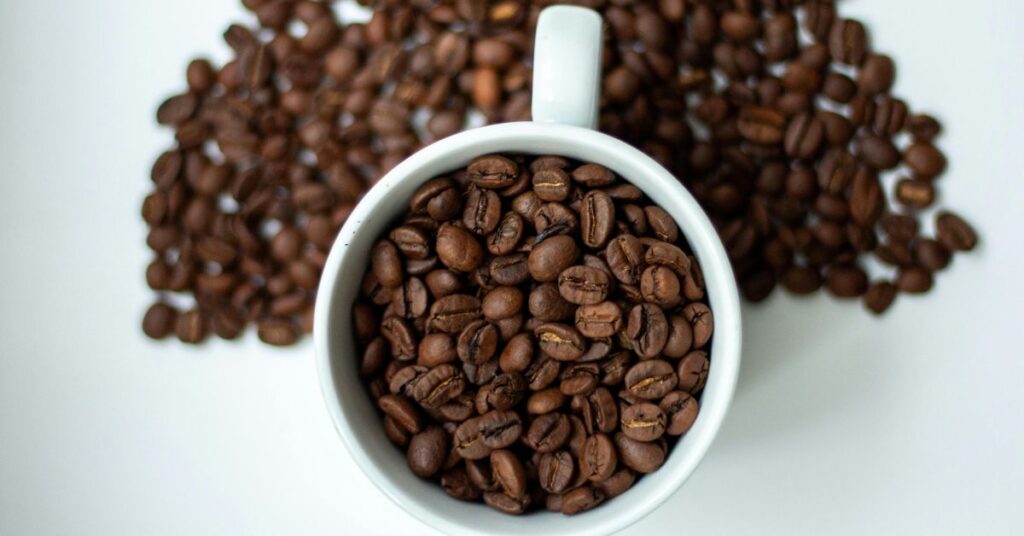

Top view of coffee beans spilling from cup
Blogs

Best coffee beans smooth taste

Best Coffee Beans for a Smooth Taste Coffee lovers often seek that perfect cup, where the flavors blend seamlessly in a rich, smooth experience. The right beans can make all the difference, crafting a drink that’s not only enjoyable but also soothing. In this article, we will explore the best coffee beans that deliver a smooth taste, perfect for your daily brew. The Essence of Smooth Coffee Smooth coffee is characterized by its lack of sharp bitterness and an overall balanced flavor profile. When brewing a cup, you want a coffee that caresses the palate instead of hitting it with harsh notes. The smoothness often comes from the coffee bean’s variety, growing conditions, and processing methods. Learning about these factors helps you select beans that cater to your taste preferences. Top Coffee Bean Varieties with Smooth Profiles Not all coffee beans are created equal, and certain varieties are renowned for their smooth profiles. Here’s a closer look at the key types you should consider when searching for the smoothest cup. Arabica Beans Arabica is the most popular coffee bean variety and is known for its smooth flavors. Grown at higher altitudes, Arabica beans develop a fine, nuanced taste, often featuring fruity and floral notes. These characteristics contribute to a smoother experience compared to Robusta beans, which tend to be stronger and more bitter. Look for single-origin Arabica coffees from regions like Colombia, Ethiopia, or Costa Rica for an inviting cup that pleases the senses. Low-Acidity Coffee Beans If you are particularly sensitive to acidity, look for low-acidity coffee beans. These beans can come from specific regions or be specially processed to reduce their natural acidity. For example, coffee from Brazil or Sumatra is often lower in acidity and typically provides a smoother cup. The result? A velvety brew that is gentle on your stomach while still offering rich flavors. Blends for a Smooth Finish Blends combine various beans to create a balanced profile. Many roasters design blends specifically for smoother tastes, mixing beans that complement each other. A well-crafted medium roast blend can often yield a cup that is rich and smooth, making it an ideal choice for those who want a reliable, comforting brew every day. Always ask your local roasters for recommendations on their smoothest blends to keep your cup exciting. Understanding Processing Methods The processing method used on the coffee beans can significantly impact their final flavor. Some methods are known for producing smoother coffees. Here’s how different processing methods influence taste. Washed Process In washed processing, the outer fruit is removed from the coffee cherry before the beans are fermented and dried. This method tends to produce coffee with cleaner, brighter flavors and reduced bitterness. As a result, washed coffees often have a smoother mouthfeel, making them highly sought after for their crisp clarity. Exploring washed coffees from Central America can yield a delightful cup with a pleasant finish. Natural Process On the other hand, the natural process involves drying the whole cherry before extracting the beans. This method can introduce fruitier notes and sometimes a heavier body in the cup. However, when done correctly, natural processed coffees can still retain smoothness, often layered with complex flavors. If you enjoy a hint of sweetness paired with smoothness, searching for well-executed natural coffees can be rewarding. Roast Level Matters The roast level of your coffee beans can also influence how smooth your drink tastes. Generally, lighter roasts preserve more of the bean’s original flavor characteristics, which can lead to complex taste profiles that are smooth yet interesting. Conversely, darker roasts can sometimes introduce bitterness. If you favor a smooth cup, opt for a medium roast; it strikes an excellent balance by maximizing flavor without overwhelming bitterness. Brewing for Smoothness Even with the best beans, your brewing method plays a crucial role in achieving that silky cup. Here are some tips to ensure you create the smoothest brew possible. Grind Size Choosing the right grind size is essential. A uniform grind leads to even extraction, which is vital for maintaining smoothness. For methods like pour-over or French press, ensure you’re using an appropriate grind size for the brewing technique to avoid over-extraction. A well-extracted cup feels smooth and highlights the coffee’s genuine flavor. Use Fresh Ingredients Always start with fresh coffee beans. The best flavors come from freshly roasted beans, often within two weeks of roasting. Purchasing from local roasters can ensure that you get the freshest beans. Additionally, pay attention to water quality; using filtered water can enhance the coffee’s flavor and smoothness, making every sip enjoyable. Elevate Your Coffee Experience Selecting the best coffee beans for a smooth taste is a delightful exploration of flavor and preference. Focus on varieties like Arabica, consider low-acidity options, and pay attention to processing methods and roast levels. Don’t forget the importance of brewing techniques and fresh ingredients. With this knowledge, you can elevate your coffee experience and enjoy a perfect cup every time. Dive into local roasters to discover unique blends that appeal to your palate and support your local coffee community. Smooth coffee is within reach; all it takes is a little exploration and understanding.

light beige carpet with a fresh coffee spill
Blogs

How To Remove Coffee Stains in Carpet

Effective Methods for Removing Coffee Stains from Carpet Many people have experienced the frustration of spilling coffee on their carpet, leaving behind unsightly stains that seem impossible to remove. Whether it’s a morning mishap before work or an afternoon indulgence that went awry, coffee stains can leave a lasting mark on carpets. The urgency to restore your carpet can lead to confusion about the best cleaning method to use. Understanding Coffee Stains and Their Composition Coffee contains tannins and oils, which contribute to its rich color and flavor. When coffee spills occur, these elements quickly penetrate the fibers of your carpet, making it crucial to address the stain promptly. The longer the coffee stain sits, the more difficult it becomes to remove, as the tannins bond with the carpet fibers. Moreover, the temperature of the coffee can exacerbate the staining issue, leading to quicker absorption and deeper penetration. Essential Steps for Immediate Action The first step in tackling a coffee stain is to act quickly. Here’s a step-by-step approach to follow: 1. Blot, Don’t Rub Use a clean, white cloth or paper towel to gently blot the stain. Avoid rubbing the stain, as this can push the coffee deeper into the fibers and spread it further. Blotting absorbs the liquid without disturbing the carpet fibers. 2. Dilute the Stain Prepare a solution of cold water and a few drops of dish soap. Lightly sprinkle the stained area with cold water to dilute the coffee. Afterward, use your cloth to blot the area again. The water helps to lift the stain from the carpet fibers. DIY Treatment Options After initial blotting and dilution, it’s time to treat the stain more effectively with common household products. Here are several methods you can try: Option 1: Vinegar and Water Solution Mix equal parts of white vinegar and cold water. Apply this solution to the stain using a cloth, and continue blotting until the stain begins to lift. Vinegar is effective due to its acetic acid content, which breaks down the coffee’s tannins. Option 2: Baking Soda Paste Baking soda can act as a natural abrasive cleaner. Create a paste by mixing baking soda with a small amount of water. Apply this paste directly to the stain and allow it to sit for 15 minutes. Afterward, blot the area with a damp cloth to remove the paste and the stain. Option 3: Club Soda Application Club soda is another effective solution for coffee stains. Pour a small amount onto the stain and allow it to sit for a few minutes. The carbonation helps to lift the stain, making it easier to blot away. Rinse the area with cold water afterward. Commercial Cleaners and Their Usage If home remedies do not fully eradicate the coffee stain, you might consider using a commercial carpet cleaner specifically formulated for stain removal. Follow the instructions provided by the manufacturer carefully: 1. Spot Clean Apply the commercial cleaner to the affected area as directed. Use a clean cloth to blot the area, working from the outside towards the center to prevent spreading. 2. Rinse and Blot After treating with the cleaner, rinse the carpet with cold water and blot again to remove any residual product. Common Mistakes to Avoid While removing coffee stains, certain practices can lead to more harm than good: 1. Using Hot Water Hot water can set the stain, making it more difficult to remove. Always use cold water when treating coffee stains. 2. Skipping the Rinse Step Failing to rinse the area after applying cleaning solutions can cause residue buildup, leading to dirt attraction and future staining. When to Seek Professional Help If your attempts to remove the coffee stain have been unsuccessful after multiple treatments, it may be time to consult a professional carpet cleaning service. Professionals have access to specialized equipment and products that can safely and effectively eliminate stubborn stains without damaging your carpet. Conclusion Removing coffee stains from carpet doesn’t have to be a daunting task. With quick action and the right approach, you can restore your carpet to its original condition. Start by blotting the stain, then use one of the recommended cleaning methods, and remember to avoid common mistakes that could worsen the issue. If required, do not hesitate to seek professional assistance for complex stains. By following these guidelines, you can effectively manage coffee stains and maintain the integrity of your carpet. To ensure you are always prepared, keep essential cleaning supplies handy at home, so you’re ready to take action as soon as an accident happens.

Photo of Coffee Bean in Coffee Grinding Machine
Blogs

Best Coffee Beans for Beginners

Best Coffee Beans for Beginners: A Comprehensive Guide The journey of brewing a perfect cup of coffee begins with selecting the right beans. A common frustration for newcomers is the overwhelming number of coffee options available, leaving many unsure where to start. Choosing coffee beans may seem simple, but inexperienced coffee drinkers often overlook essential factors such as flavor profile, roast level, and quality. This guide will navigate through the best coffee beans suited for beginners, addressing common pitfalls while emphasizing what matters most in your selection process. Understanding Coffee Bean Types Before you choose coffee beans, understanding the primary types available is crucial. The two most popular types are Arabica and Robusta. Arabica beans are often recommended for beginners because of their smoother, more delicate flavor, whereas Robusta beans tend to be stronger and more bitter. Why does this matter? Arabica is generally considered higher quality, accounting for about 60-70% of global coffee production. These beans thrive in higher altitudes, producing a wider range of flavors. Beginners often enjoy these flavors more since they encompass fruity, floral, and nuanced notes, making them a great starting point. Robusta, while cheaper and more resilient, can overpower coffee drinks if you’re still developing your palate. Roast Levels: Finding Your Preference Roast levels play a significant role in the taste and aroma of coffee. They range from light, medium, to dark roasts. Beginners typically find medium roasts to be a balanced choice, providing a fuller body and richness without overwhelming bitterness. Light roasts preserve the beans’ original flavors but can sometimes lead to sourness if not brewed correctly. Dark roasts, conversely, create a bold and strong profile but may lack the subtle complexities found in lighter roasts. A common mistake for beginners is jumping directly into dark roasts, thinking stronger equals better, which may result in a less enjoyable experience. Single-Origin vs. Blends: What’s Best for Starters? The choice between single-origin beans and blends impacts the flavor and consistency of your coffee. Single-origin coffees originate from one location, making them excellent for exploring specific flavor profiles unique to that region, such as Ethiopia’s fruity notes or Colombia’s balanced flavors. On the other hand, blends combine beans from various regions to achieve a consistent flavor, often appealing to those who prefer a familiar cup without extreme variations. For beginners, blends can offer a forgiving introduction as they tend to be formulated for optimal flavor balance. A common misconception is that only single-origin coffees are worth trying, but many blends have been meticulously crafted to provide a smooth, reliable experience. Start with blends until you feel comfortable experimenting with single-origin varieties. Quality Matters: Specialty vs. Commercial Grade The quality of coffee beans significantly affects the overall flavor and experience. Specialty coffee is sourced from specific regions and typically undergoes rigorous sorting and grading practices, offering unparalleled taste. In contrast, commercial-grade coffee is mass-produced, often leading to inconsistencies and lower quality. Choosing specialty beans may be slightly more expensive, but they usually yield a superior taste experience that makes the investment worthwhile. Beginners often fall into the trap of opting for inexpensive, low-quality beans, resulting in bitter brews that discourage further exploration. Prioritize quality, as it can enhance your coffee journey significantly. Top Recommendations for Beginners 1. Medium Roast Arabica Blend Start with a well-rounded medium roast Arabica blend. Look for brands that emphasize flavor notes and quality sourcing. Popular choices often feature hints of chocolate, caramel, or light nutty undertones, which appeal to a broad audience and serve as an excellent base for various brewing methods. 2. Single-Origin Colombian Coffee Colombian coffee is renowned for its smoothness and balanced flavor. It commonly features mild acidity, making it an easy introduction for beginners. Try opting for a medium roast to experience the full profile without overwhelming bitterness. 3. Light Roast Ethiopian Coffee For those curious about fruity flavors, a light roast Ethiopian coffee can provide an enlightening experience. This choice offers a vibrant taste with bright acidity and floral notes, allowing beginners to explore different aspects of coffee. 4. Instant Solutions: Quality Instant Coffee If you prefer convenience, opt for high-quality instant coffee made from Arabica beans. It’s a practical alternative that retains a good flavor profile without the need for complex brewing methods, making it easy for beginners to enjoy coffee without extensive preparation. Common Mistakes to Avoid When beginning your coffee journey, it is essential to sidestep common pitfalls. Here are some frequent errors: Next Steps: Starting Your Coffee Adventure Choosing the best coffee beans as a beginner is essential for establishing a satisfying coffee experience. Focus on quality, roast level, and types while avoiding common mistakes. Start with a medium roast Arabica blend to ease into coffee exploration. As your palate refines, branch out to single-origin options and different brewing methods. Embark on this flavorful journey and discover your preferences, keeping an open mind to the multitude of possibilities coffee offers.

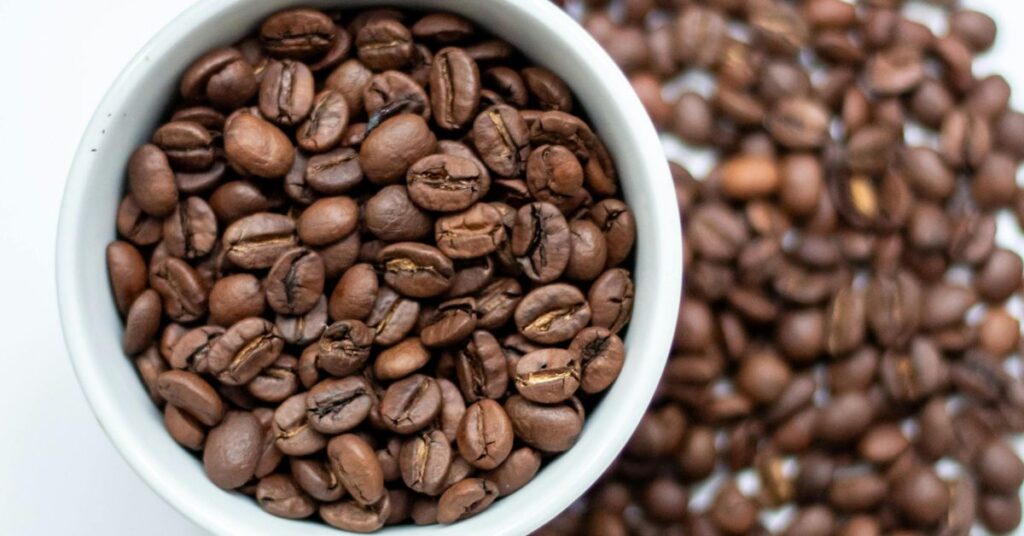
Close-up of Coffee Beans in White Cup
Blogs

What Makes a Good Cup of Coffee

What Makes a Good Cup of Coffee Imagine waking up to the rich aroma of freshly brewed coffee filling your kitchen. You pour it into your favorite mug, and with the first sip, warmth and comfort settle in. But when coffee falls short of that moment, it often raises a simple question: what actually makes a good cup of coffee? For many, coffee is more than a drink. It is a daily ritual that shapes the start of the day. Understanding what influences flavor, aroma, and balance can help you consistently brew a cup that feels satisfying and intentional. The Importance of Quality Coffee Beans Everything starts with the beans. Coffee is the seed of the Coffea plant, and its final flavor depends heavily on variety, origin, and how it is processed and roasted. Freshness is one of the most important factors. Coffee tastes best when it is freshly roasted and used within a couple of weeks. Pre-ground coffee loses its aroma quickly, which is why whole beans and grinding just before brewing make a noticeable difference. Arabica beans are often preferred for their smooth, layered flavor, while Robusta tends to be stronger and more bitter. Origin also matters. Ethiopian coffees often carry floral or fruity notes, while Colombian beans are known for their balanced, nutty character. Water Quality and Temperature Matter More Than You Think Since coffee is mostly water, the quality of what you use plays a major role in the final taste. Clean, filtered water helps avoid unwanted flavors that can interfere with the coffee itself. Temperature is just as important. The ideal brewing range is between 195°F and 205°F (90°C to 96°C). Water that is too hot can create bitterness, while cooler water may leave the coffee under-extracted and weak. A helpful starting point is a standard ratio of about 1 to 2 tablespoons of ground coffee per six ounces of water. From there, you can adjust based on personal preference. Brewing Methods Shape the Final Flavor Different brewing methods highlight different qualities in coffee, and each one creates a distinct experience. Pour Over Pour over brewing offers precision and clarity. Water flows slowly through the grounds, producing a clean and bright cup. It allows you to control the process more closely, especially with a steady, even pour. French Press The French press creates a richer, fuller-bodied coffee. Since the grounds steep directly in water, more oils and flavors remain in the final cup. The result is bold, heavy, and satisfying. Espresso Espresso is concentrated and intense. It is brewed under pressure, extracting deep flavor in a short amount of time. A well-pulled shot is marked by a smooth, golden layer of crema on top and serves as the base for many coffee drinks. Timing Makes a Noticeable Difference Brewing time affects how coffee extracts its flavor. Too short, and it can taste sour or weak. Too long, and it becomes bitter. Pour over typically takes 2 to 4 minutes, while French press requires around 4 minutes of steeping. Espresso is much faster, usually extracting in 25 to 30 seconds. Sticking close to these ranges helps maintain balance in the cup. Finding the Right Coffee-to-Water Balance The strength of your coffee often comes down to ratio. If it tastes too strong or bitter, increasing the water can help. If it feels too light, adding more coffee can deepen the flavor. Small adjustments make a big difference, and over time, you will naturally develop a ratio that suits your taste. Proper Storage Keeps Coffee Fresh Coffee is sensitive to air, light, heat, and moisture. Storing beans in an airtight container in a cool, dark place helps preserve their freshness. Avoid keeping coffee in the fridge, as temperature changes can introduce moisture and affect flavor. Buying smaller batches more frequently is one of the simplest ways to maintain quality. Small Additions That Enhance the Experience While many enjoy coffee black, additions can change the experience in subtle and enjoyable ways. Milk, plant-based alternatives, and cream can soften bitterness and add texture. Spices like cinnamon or a touch of honey can also introduce warmth and complexity. Final Thoughts A good cup of coffee is the result of thoughtful choices at every step, from the beans you select to how you brew and store them. There is no single correct way to enjoy it, only what tastes right to you. With a bit of attention and experimentation, coffee becomes more than a routine. It becomes a craft you refine over time, one cup at a time.

Refreshing Cold Brew Coffee Being Poured
Blogs

How To Brew a Coffee Without a Machine

How to Brew Coffee Without a Machine Imagine waking up to the smell of coffee, only to discover your coffee machine is not working or you are away from home without it. It can be frustrating at first, especially if coffee is part of your daily routine. But it does not have to stop you from enjoying a great cup. Brewing coffee without a machine can actually lead to a more hands-on and personal experience, where you have greater control over flavor and method. Methods for Brewing Coffee Without a Machine 1. The French Press The French Press is a classic method that requires no electricity and produces a rich, full-bodied cup of coffee. Here’s how to do it: Requirements: French Press, coarsely ground coffee, hot water. Steps: This method enhances the coffee’s oils and flavors, resulting in a rich brew. However, watch the steeping time. Over-extraction can lead to bitterness. 2. The Pour-Over Technique Pour-over coffee allows for control over the brewing process, highlighting the coffee’s subtle flavors. Requirements: Pour-over cone or dripper, coffee filter, ground coffee, hot water. Steps: This method requires patience but results in coffee with distinct layers of flavor. A common mistake is pouring too quickly, leading to uneven extraction. 3. The Cold Brew Method Cold brew is a fantastic option for those who prefer a smoother, less acidic cup of coffee. Requirements: A jar or pitcher, cold water, coarsely ground coffee. Steps: This method yields a milder, refreshing coffee that is low in acidity. However, it requires advance planning due to the long steeping time. 4. The Turkish Coffee Experience Turkish coffee is a unique way to brew that results in a strong and aromatic cup. Requirements: A cezve (Turkish coffee pot), finely ground coffee, water, sugar (optional). Steps: This method delivers an intense flavor but requires mastery of the heat to avoid boiling over. The sediment in the cup can be a turn-off for some but is integral to the Turkish coffee experience. Common Mistakes to Avoid Wrong Coffee Grind: Using too fine a grind for methods like the French Press can result in a bitter cup. Always match your grind size to the brewing method. Overcooking Water: Water that is too hot can scald the coffee grounds and create bitterness. Aim for around 200°F (93°C). Skipping Measurements: It can be tempting to eyeball measurements, but consistency is key for a great brew. Use a scale for accuracy. Conclusion Brewing coffee without a machine is both an art and a science that can lead to a deeply satisfying ritual. Experimenting with different methods helps you discover what suits your taste and lifestyle. Whether you opt for a robust French press or a creamy cold brew, you’re in control of the flavor experience. All it takes is a little patience and the willingness to explore new approaches. Grab your coffee, and start brewing your perfect cup today.

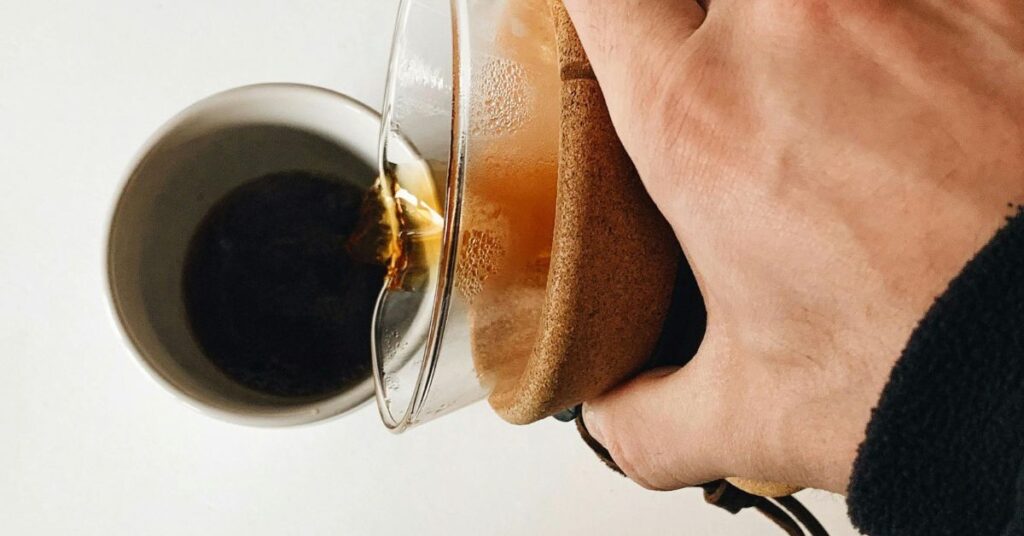
Close-Up Photo of a Person Pouring Brewed Coffee into a Cup
Blogs

Coffee Without Coffee Maker

How to Brew Coffee Without a Coffee Maker For many people, making coffee is more than a routine. It is a small daily ritual that sets the tone for everything that follows. So when your coffee maker is not available, it can feel like something essential is missing. The good news is that great coffee does not depend on a machine. In fact, stepping away from one can open the door to more hands-on and rewarding ways to brew. Why Learn to Brew Coffee Without a Machine? Brewing coffee manually might seem inconvenient at first, but it gives you more control and flexibility than most machines. You can adjust water temperature, pouring technique, and steeping time based on your preferences. It is also practical. If you are traveling, camping, or dealing with a broken machine, knowing how to brew coffee by hand means you do not have to go without it. Beyond that, manual methods often reveal flavors that automatic brewers can miss, helping you better appreciate the character of your coffee. Simple Ways to Brew Coffee Without a Coffee Maker You do not need specialized equipment to make a satisfying cup. With a few basic items and a little attention to detail, you can recreate some of the most popular brewing styles. The French Press Approach Even without a formal press, you can mimic this method using a heatproof container and something to strain the grounds. Start with coarsely ground coffee and hot water. A good ratio is one tablespoon of coffee for every six ounces of water. Pour the water over the grounds, give it a gentle stir, and let it sit for about four minutes. Once it has steeped, separate the grounds using a spoon or a simple strainer. This method produces a full-bodied cup with a rich texture. Because the coffee stays in contact with the water longer, it extracts deeper flavors and oils that give it more weight. A Makeshift Pour-Over If you have a filter and something to hold it in place, you can create a pour-over setup almost anywhere. A clean cloth or even a paper towel can work in a pinch. Use medium-ground coffee and place it inside your filter. Heat your water and let it cool slightly before pouring. Slowly pour the water in small circles, allowing it to pass through the grounds evenly. Aim for about two tablespoons of coffee per six ounces of water. This method gives you a cleaner, brighter cup. Because the water flows through the grounds rather than soaking them, it highlights more delicate flavors and aromas. Cowboy Coffee When you have no tools at all, this is the simplest way to brew. It works especially well outdoors but is just as useful at home if you are improvising. Bring water to a boil, then remove it from the heat. Add coarsely ground coffee, about two tablespoons per cup, and let it sit for four minutes. The grounds will gradually settle at the bottom. Pour slowly and carefully to avoid disturbing the sediment. The result is bold and strong, with a slightly rustic feel that suits the method. Cold Brew Without Equipment Cold brew is one of the easiest methods to prepare ahead of time, and it requires very little effort. Combine coarsely ground coffee with cold or room temperature water using a ratio of one part coffee to four parts water. Let it steep for 12 to 24 hours in a cool place or refrigerator. Once it is ready, strain it through a fine mesh sieve or cloth. The result is a smooth, low-acid concentrate that you can dilute with water or milk. It is especially refreshing in warm weather and keeps well for several days. Tips to Improve Your Results Brewing without a machine puts more responsibility in your hands, but small adjustments can make a noticeable difference. Grind size matters. Coarser grounds work best for longer steeping methods, while finer grounds increase extraction and intensity. If your coffee tastes too bitter, try a coarser grind or shorten the brewing time. If it tastes weak, do the opposite. Water temperature is just as important. Ideally, use water just below boiling. If it is too hot, it can over-extract the coffee and create bitterness. Slightly cooler water helps preserve balance and clarity. Bean quality also plays a major role. Freshly roasted beans with a consistent grind will always produce better results. Exploring beans from different regions can introduce new flavor notes, from bright and fruity to deep and chocolatey. Final Thoughts Learning to brew coffee without a coffee maker is more than a backup plan. It is a practical skill that gives you more control over your coffee and a better understanding of how it comes together. Each method offers a different experience, from the richness of a steeped brew to the clarity of a pour-over. With a little practice, you can make a great cup almost anywhere, using simple tools and a thoughtful approach. The next time you find yourself without your usual setup, you will not have to settle. You will already know how to make something just as satisfying, if not better. 

A close-up of fresh coffee grounds being sprinkled onto rich garden soil around a healthy green plant
Blogs

Are Coffee Grounds Good for Plants

Are Coffee Grounds Good for Plants?   Given their potential dual-purpose, many coffee lovers have wondered if repurposing coffee grounds can benefit their plants.  Coffee grounds are often viewed as kitchen waste, destined for the trash after brewing your favorite cup. However, these coffee grounds are increasingly recognized for their value in the garden. Not only do they offer nutrients, but they also improve soil structure and attract beneficial organisms. Nutrient Content of Coffee Grounds The primary appeal of coffee grounds as a plant supplement lies in their rich nutrient profile. They contain essential elements such as nitrogen, phosphorus, potassium, calcium, and magnesium, which are vital for plant growth. These nutrients aid in developing strong stems, leaves, and flowers, making coffee grounds an attractive choice for gardeners seeking an organic fertilizer. While nitrogen predominates in coffee grounds, facilitating the growth of leafy vegetation, they do have a balanced mix of other nutrients that cater to various plant needs. Adding them to your garden can create a well-rounded soil amendment that promotes overall soil health. Benefits of Using Coffee Grounds in Gardening In addition to being nutrient-rich, coffee grounds offer several other benefits that lend themselves well to plant care: Enhancing Soil Structure After you mix coffee grounds into your soil, they can improve its structure. The grounds enhance drainage and aeration, which is essential for root health. The organic material breaks down and improves the soil’s texture, making it richer and more conducive to healthy plant growth. As the grounds decompose, they will contribute to a more robust soil ecosystem, supporting a variety of microorganisms that help break down nutrients for plants. Attracting Beneficial Organisms Earthworms and other beneficial critters love coffee grounds. These organisms aerate the soil, help decompose organic matter, and improve nutrient availability. By incorporating coffee grounds into your garden, you can create an ideal environment that fosters these helpful creatures. Preventing Pests Some gardeners report that coffee grounds can help deter pests such as slugs, snails, and some insects. The grounds can create a barrier and disrupt the movement of these garden nuisances, protecting your plants naturally without the need for harsh chemicals. Which Plants Benefit Most from Coffee Grounds? Not all plants will benefit equally from coffee grounds, so it’s vital to know which ones thrive with this supplement. Certain plants, particularly those that prefer slightly acidic conditions, flourish with coffee grounds. Acid-loving plants such as azaleas, rhododendrons, blueberries, and roses welcome the nitrogen boost coffee provides. Consider adding coffee grounds to your compost pile as well. When mixed properly, they can transform your compost into a nutrient-rich soil amendment that can enhance the growth of a diverse range of plants. Tomatoes and houseplants like peace lilies and African violets also appreciate the additional nutrients and enhanced soil structure. How to Use Coffee Grounds in the Garden Using coffee grounds in the garden is straightforward, but it’s essential to do it right. Here are some practical tips for incorporating coffee grounds effectively: Adding to Compost Mix coffee grounds into your compost pile to balance carbon-rich materials like dried leaves or straw. Ensure that the quantity of coffee grounds doesn’t overwhelm the compost, as too many could lead to a compacted pile that lacks airflow. A balanced 50/50 mix is ideal. Direct Soil Application When applying grounds directly to your garden soil, spread a thin layer—about half an inch or so—around the base of your plants. Avoid piling them too closely to the stems or trunks, as this can cause mold growth or create a barrier that restricts air circulation. Over time, water and nature will break down these grounds, introducing nutrients into the soil. Making a Liquid Fertilizer Instead of direct application, you can create a simple liquid fertilizer by steeping coffee grounds in water. Let them soak for a day or two, then strain the mixture and use the liquid to water your plants. This method provides a gentle nutrient boost without the risk of overwhelming your plants. Things to Consider When Using Coffee Grounds While coffee grounds offer several benefits, moderation is key. Excessive use can lead to nutrient imbalances and may create a compacted layer of material that can impede water flow. A little is sufficient to reap the rewards without overwhelming your soil. Always monitor plants for signs of over-fertilization, such as yellowing leaves. Lastly, keep an eye on the source of your coffee grounds. If you’re using commercially prepared coffee, be cautious of added flavors or sugars that may not be beneficial for plant health. Stick with plain coffee grounds for the best results. Conclusion Incorporating coffee grounds into your gardening routine can be a natural and beneficial way to provide nutrients to your plants. With a rich supply of essential nutrients and the ability to enhance soil structure, coffee grounds can support a vibrant garden. Whether used directly, in compost, or as a liquid fertilizer, the advantages of repurposing these grounds outweigh the potential downsides when used wisely. Give it a try, and watch your plants thrive in a healthier and more sustainable manner.

Barista making Coffee with an Espresso Machine
Blogs

What is the biggest ’red flag’ when you enter into a coffee shop?

Red Flags in Coffee Shops Walking into a coffee shop can be an exciting experience, with the rich aroma of freshly brewed coffee and the inviting ambiance promising comfort and warmth. However, not all coffee shops are created equal. As a coffee enthusiast, it’s essential to recognize certain ‘red flags’ that could indicate a less-than-ideal quality of coffee or service. Here, we’ll discuss the most significant warning signs to watch out for when you first step into a coffee shop. Inconsistent Menu and Lack of Transparency The first major red flag is an inconsistent menu. A well-run coffee shop should have a clear and coherent menu showcasing its offerings. If the menu frequently changes without notice or lacks details about the coffee origin, types of brewing methods, or flavor profiles, be cautious. This may indicate that the shop does not prioritize quality or transparency about their products. Look for a coffee shop that takes the time to explain what they serve, including the relationships they have with farmers or roasters. Questionable Coffee Quality Asking about their coffee is a great way to gauge the shop’s commitment to quality. If the staff is unsure about the coffee region, roast profile, or brewing techniques, it could reflect a lack of proper training or care. If they cannot provide you with answers or make recommendations based on personal experiences, this can signify that they might not use high-quality beans. Ideally, knowledgeable baristas should not only know about the coffee they serve but also have a passion for it. Uninviting Cleanliness Standards The cleanliness of the coffee shop is directly linked to its food safety and quality. Upon entering, observe the overall hygiene of the establishment. If the tables are sticky, the counters are cluttered, or the restroom is not well-maintained, it may be a red flag regarding their attention to detail. A clean and well-organized workspace is crucial for delivering quality coffee consistently. Pay attention to how the baristas handle equipment and the cleanliness of their hands, as these factors also play a significant role in maintaining quality. Using Outdated Equipment The equipment used in coffee brewing plays an essential role in delivering quality coffee. If you notice outdated machines or equipment that looks poorly maintained, this might be a cause for concern. High-quality coffee requires the right brewing tools to extract flavors effectively. Look for shops that invest in quality espresso machines, grinders, and brewing appliances. A shop that values its craft will prioritize keeping its equipment in excellent condition. Poor Customer Service Great coffee is never complete without exceptional customer service. If you are met with dismissive or indifferent attitudes from baristas, it’s a significant red flag. Coffee shops should prioritize creating positive customer experiences from the moment you walk in. Friendly and engaging baristas enhance the atmosphere, making coffee even more enjoyable. Listen for how they interact with customers; a lack of friendliness or engagement can reflect the overall culture of the shop. Unusual Ingredient Choices Wandering into a coffee shop that boasts an unusual range of ingredients can be appealing at first, but beware. If you see too many flavored syrups or artificial additives, this might indicate that the shop leans on these gimmicks instead of focusing on the quality of the coffee itself. High-quality shops should emphasize the natural flavors of the coffee and accompany them with minimal, high-quality ingredients. Suspiciously Low Prices While everyone loves a good deal, if the prices seem too low compared to other nearby coffee shops, this may warrant caution. High-quality coffee and diligent brewing processes come at a cost. If the prices are suspiciously low, it could indicate a compromise on quality, either with the coffee beans or the preparation methods. Assess whether the shop justifies its pricing structure based on the quality and sourcing of its coffee. No Profile for Their Coffee Beans If a coffee shop doesn’t specify the origin or specific flavor profile of their coffee beans, this could indicate a lack of attention to sourcing quality products. Specialty coffee shops usually take pride in their bean origins, showcasing the farmers and regions they work with. Look for a shop that stands behind its products and is proud to share their story. Long Wait Times without Explanation When ordering coffee, if you find yourself waiting a long time without any communication from the staff, it can be disconcerting. While quality coffee takes time to prepare, a lack of transparency on why the delay is occurring can indicate poor management or staffing issues. Baristas should inform you of any delays and provide updates about your order status, reflecting their commitment to customer service. Inconsistent Brews A great coffee shop ensures that each cup of coffee tastes the same every time you visit. If your coffee has wildly differing flavors, strengths, or other aspects from one visit to another, it may indicate inconsistent brewing practices or varying bean quality. High standards for quality control should always be present at a reputable coffee establishment. Conclusion: Making Informed Choices Understanding these red flags can help you make informed choices about where to enjoy your coffee. Taking note of menu consistency, cleanliness, staff knowledge, and customer service can greatly enhance your coffee shop experience. The next time you enter a new coffee shop, use these insights to assess and determine whether it’s worth your time and money. After all, a premium coffee experience starts with exceptional service and quality.

Spoon with brown sugar sitting on top of black coffee in a mug
Blogs

Do you prefer coffee with sugar or without sugar, and why?

Do You Prefer Coffee with Sugar or Without Sugar, and Why? When it comes to coffee, everyone has their preferences, with some swearing by sugar while others enjoy it black. This divide can stir passionate debates among coffee enthusiasts. Let’s explore the reasons behind these choices and the implications they have on taste, health, and overall coffee experience. Coffee culture is rich and diverse, often reflecting personal preferences shaped by lifestyle and health considerations. The question of whether to add sugar is more than a simple matter of taste; it’s about understanding how these choices affect flavor profiles and health outcomes. For many, coffee serves as a sacred ritual, one that calls for careful attention to its preparation and enjoyment. The Case for Coffee Without Sugar For those who enjoy their coffee black, it’s often about fully appreciating the unique flavors of different beans. The bitterness of coffee can be a complex harmony that brings out distinct notes of chocolate, nuts, or fruit, depending on the origin of the beans. Each cup can offer a different taste experience, allowing the drinker to engage in a sensory exploration that sugar may mask. Many black coffee drinkers appreciate the added health benefits this choice may provide. Without sugar, calories are drastically reduced, supporting those who prioritize low-calorie diets. According to research, black coffee is rich in antioxidants, which contribute positively to overall health by reducing inflammation and lowering the risk of certain diseases, including Type 2 diabetes. The Appeal of Adding Sugar to Coffee In contrast, those who enjoy sugar in their coffee often do so to balance out the natural bitterness that can come with caffeine. A spoonful of sugar can transform a bitter brew into something smoother and more palatable, making it easier for some to enjoy their morning cup. Sugar can enhance the perceived sweetness of certain coffee variants, ultimately sucking the drinker into their comfort zone. For many, sugar provides a sense of nostalgia and comfort. Think of a cozy café filled with the scent of freshly brewed coffee and sweet pastries. Adding sugar can bring feelings of warmth, reminiscent of gatherings with friends or family. Sugar also serves another purpose; it can be a quick source of energy. For those who lead busy lives, that boost can be beneficial, especially in the morning rush. Health Considerations: Sugar Versus No Sugar Whether to add sugar or not can have serious health implications, especially for those monitoring their blood sugar levels. For individuals with conditions such as Type 2 diabetes, reducing sugar intake can lead to better blood glucose control. Even for those without medical conditions, excessive sugar consumption can contribute to weight gain, increased risk of heart disease, and other metabolic issues. Recent studies suggest that sugar consumption can lead to cravings and a cycle of dependence, making it difficult for individuals to enjoy the natural taste of coffee. On the other hand, drinking coffee without sugar can help reset taste buds, making it easier to enjoy and appreciate the unique flavor notes that quality coffee offers. Finding Your Balance The true beauty of coffee lies in its versatility. Personal preference plays a significant role, and there is no right or wrong answer. Many coffee lovers experiment with different preparation methods, flavorings, and levels of sweetness to find their perfect cup. Others have sought alternatives to sugar, such as stevia or honey, balancing flavor and health more effectively. The experience of drinking coffee can go beyond the drink itself; it becomes an exploration of flavors, traditions, and personal habits. Understanding your cravings and health needs can help you determine whether to sweeten your brew or savor it straight. After all, coffee is meant to be enjoyed, and each drink presents an opportunity to discover something new. Conclusion: Your Coffee, Your Rules Ultimately, whether you prefer coffee with sugar or without is a reflection of your individual taste preferences and lifestyle choices. Both options offer unique advantages and experiences, inviting ongoing exploration and appreciation. So the next time you reach for your cup, consider the flavors and feelings you want to evoke, and remember that the world of coffee is as personal and varied as the beans themselves.

Discover the best coffee shops across Pampanga. From cozy cafes to modern roasteries, find your perfect cup of coffee.

Quick Links

For Businesses

© 2026 Coffee Shops in Pampanga. All rights reserved.

Scroll to Top