Red Flags in Coffee Shops
Walking into a coffee shop can be an exciting experience, with the rich aroma of freshly brewed coffee and the inviting ambiance promising comfort and warmth. However, not all coffee shops are created equal. As a coffee enthusiast, it’s essential to recognize certain ‘red flags’ that could indicate a less-than-ideal quality of coffee or service. Here, we’ll discuss the most significant warning signs to watch out for when you first step into a coffee shop.
Inconsistent Menu and Lack of Transparency
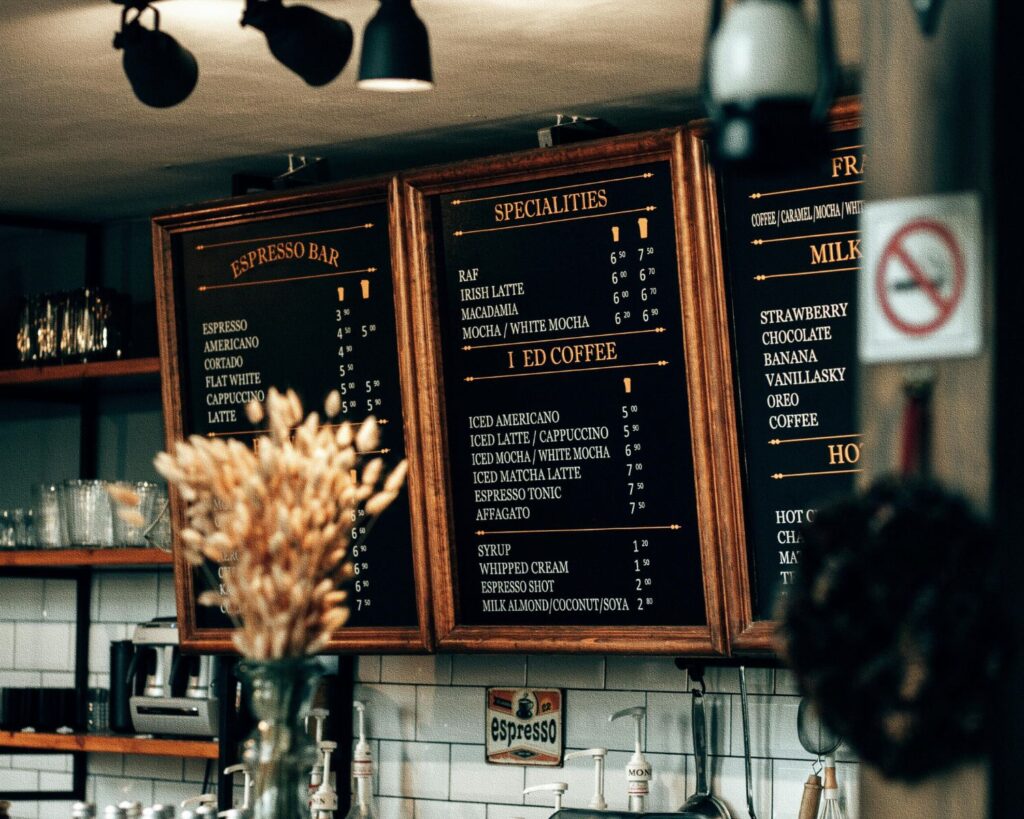
The first major red flag is an inconsistent menu. A well-run coffee shop should have a clear and coherent menu showcasing its offerings. If the menu frequently changes without notice or lacks details about the coffee origin, types of brewing methods, or flavor profiles, be cautious. This may indicate that the shop does not prioritize quality or transparency about their products. Look for a coffee shop that takes the time to explain what they serve, including the relationships they have with farmers or roasters.
Questionable Coffee Quality
Asking about their coffee is a great way to gauge the shop’s commitment to quality. If the staff is unsure about the coffee region, roast profile, or brewing techniques, it could reflect a lack of proper training or care. If they cannot provide you with answers or make recommendations based on personal experiences, this can signify that they might not use high-quality beans. Ideally, knowledgeable baristas should not only know about the coffee they serve but also have a passion for it.
Uninviting Cleanliness Standards
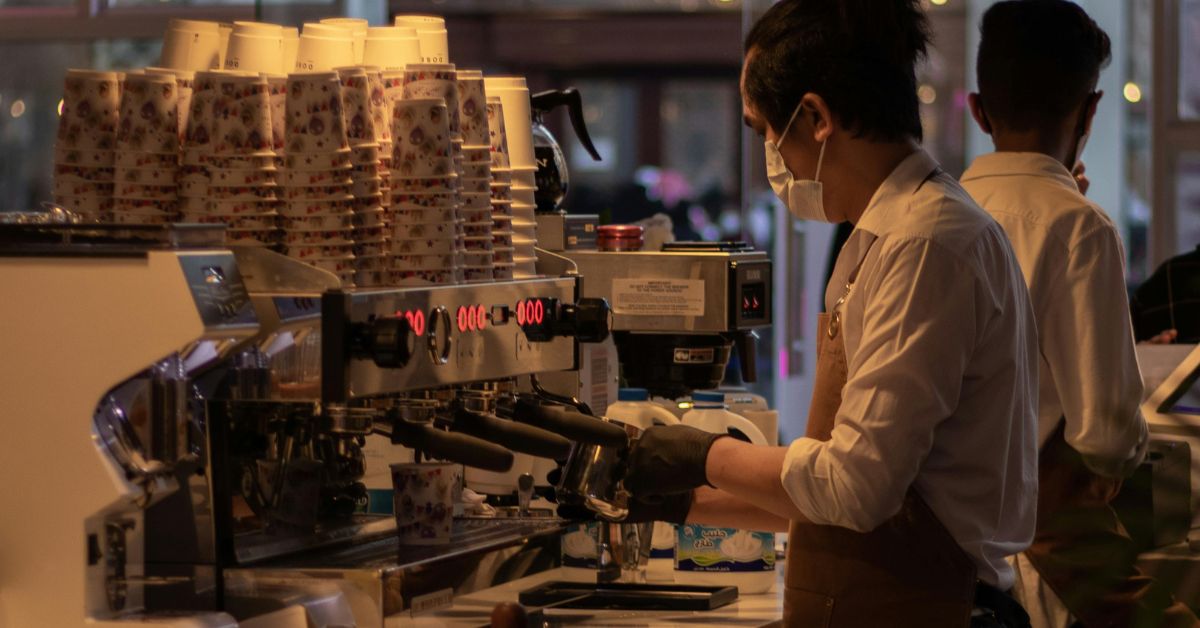
The cleanliness of the coffee shop is directly linked to its food safety and quality. Upon entering, observe the overall hygiene of the establishment. If the tables are sticky, the counters are cluttered, or the restroom is not well-maintained, it may be a red flag regarding their attention to detail. A clean and well-organized workspace is crucial for delivering quality coffee consistently. Pay attention to how the baristas handle equipment and the cleanliness of their hands, as these factors also play a significant role in maintaining quality.
Using Outdated Equipment
The equipment used in coffee brewing plays an essential role in delivering quality coffee. If you notice outdated machines or equipment that looks poorly maintained, this might be a cause for concern. High-quality coffee requires the right brewing tools to extract flavors effectively. Look for shops that invest in quality espresso machines, grinders, and brewing appliances. A shop that values its craft will prioritize keeping its equipment in excellent condition.
Poor Customer Service
Great coffee is never complete without exceptional customer service. If you are met with dismissive or indifferent attitudes from baristas, it’s a significant red flag. Coffee shops should prioritize creating positive customer experiences from the moment you walk in. Friendly and engaging baristas enhance the atmosphere, making coffee even more enjoyable. Listen for how they interact with customers; a lack of friendliness or engagement can reflect the overall culture of the shop.
Unusual Ingredient Choices
Wandering into a coffee shop that boasts an unusual range of ingredients can be appealing at first, but beware. If you see too many flavored syrups or artificial additives, this might indicate that the shop leans on these gimmicks instead of focusing on the quality of the coffee itself. High-quality shops should emphasize the natural flavors of the coffee and accompany them with minimal, high-quality ingredients.
Suspiciously Low Prices
While everyone loves a good deal, if the prices seem too low compared to other nearby coffee shops, this may warrant caution. High-quality coffee and diligent brewing processes come at a cost. If the prices are suspiciously low, it could indicate a compromise on quality, either with the coffee beans or the preparation methods. Assess whether the shop justifies its pricing structure based on the quality and sourcing of its coffee.
No Profile for Their Coffee Beans
If a coffee shop doesn’t specify the origin or specific flavor profile of their coffee beans, this could indicate a lack of attention to sourcing quality products. Specialty coffee shops usually take pride in their bean origins, showcasing the farmers and regions they work with. Look for a shop that stands behind its products and is proud to share their story.

Long Wait Times without Explanation
When ordering coffee, if you find yourself waiting a long time without any communication from the staff, it can be disconcerting. While quality coffee takes time to prepare, a lack of transparency on why the delay is occurring can indicate poor management or staffing issues. Baristas should inform you of any delays and provide updates about your order status, reflecting their commitment to customer service.
Inconsistent Brews
A great coffee shop ensures that each cup of coffee tastes the same every time you visit. If your coffee has wildly differing flavors, strengths, or other aspects from one visit to another, it may indicate inconsistent brewing practices or varying bean quality. High standards for quality control should always be present at a reputable coffee establishment.
Conclusion: Making Informed Choices
Understanding these red flags can help you make informed choices about where to enjoy your coffee. Taking note of menu consistency, cleanliness, staff knowledge, and customer service can greatly enhance your coffee shop experience. The next time you enter a new coffee shop, use these insights to assess and determine whether it’s worth your time and money. After all, a premium coffee experience starts with exceptional service and quality.