

Are Coffee Grounds Good for Plants?
Given their potential dual-purpose, many coffee lovers have wondered if repurposing coffee grounds can benefit their plants.
Coffee grounds are often viewed as kitchen waste, destined for the trash after brewing your favorite cup. However, these coffee grounds are increasingly recognized for their value in the garden. Not only do they offer nutrients, but they also improve soil structure and attract beneficial organisms.
Nutrient Content of Coffee Grounds
The primary appeal of coffee grounds as a plant supplement lies in their rich nutrient profile. They contain essential elements such as nitrogen, phosphorus, potassium, calcium, and magnesium, which are vital for plant growth. These nutrients aid in developing strong stems, leaves, and flowers, making coffee grounds an attractive choice for gardeners seeking an organic fertilizer.
While nitrogen predominates in coffee grounds, facilitating the growth of leafy vegetation, they do have a balanced mix of other nutrients that cater to various plant needs. Adding them to your garden can create a well-rounded soil amendment that promotes overall soil health.

Benefits of Using Coffee Grounds in Gardening
In addition to being nutrient-rich, coffee grounds offer several other benefits that lend themselves well to plant care:
Enhancing Soil Structure
After you mix coffee grounds into your soil, they can improve its structure. The grounds enhance drainage and aeration, which is essential for root health. The organic material breaks down and improves the soil’s texture, making it richer and more conducive to healthy plant growth. As the grounds decompose, they will contribute to a more robust soil ecosystem, supporting a variety of microorganisms that help break down nutrients for plants.
Attracting Beneficial Organisms
Earthworms and other beneficial critters love coffee grounds. These organisms aerate the soil, help decompose organic matter, and improve nutrient availability. By incorporating coffee grounds into your garden, you can create an ideal environment that fosters these helpful creatures.
Preventing Pests
Some gardeners report that coffee grounds can help deter pests such as slugs, snails, and some insects. The grounds can create a barrier and disrupt the movement of these garden nuisances, protecting your plants naturally without the need for harsh chemicals.
Which Plants Benefit Most from Coffee Grounds?
Not all plants will benefit equally from coffee grounds, so it’s vital to know which ones thrive with this supplement. Certain plants, particularly those that prefer slightly acidic conditions, flourish with coffee grounds. Acid-loving plants such as azaleas, rhododendrons, blueberries, and roses welcome the nitrogen boost coffee provides.
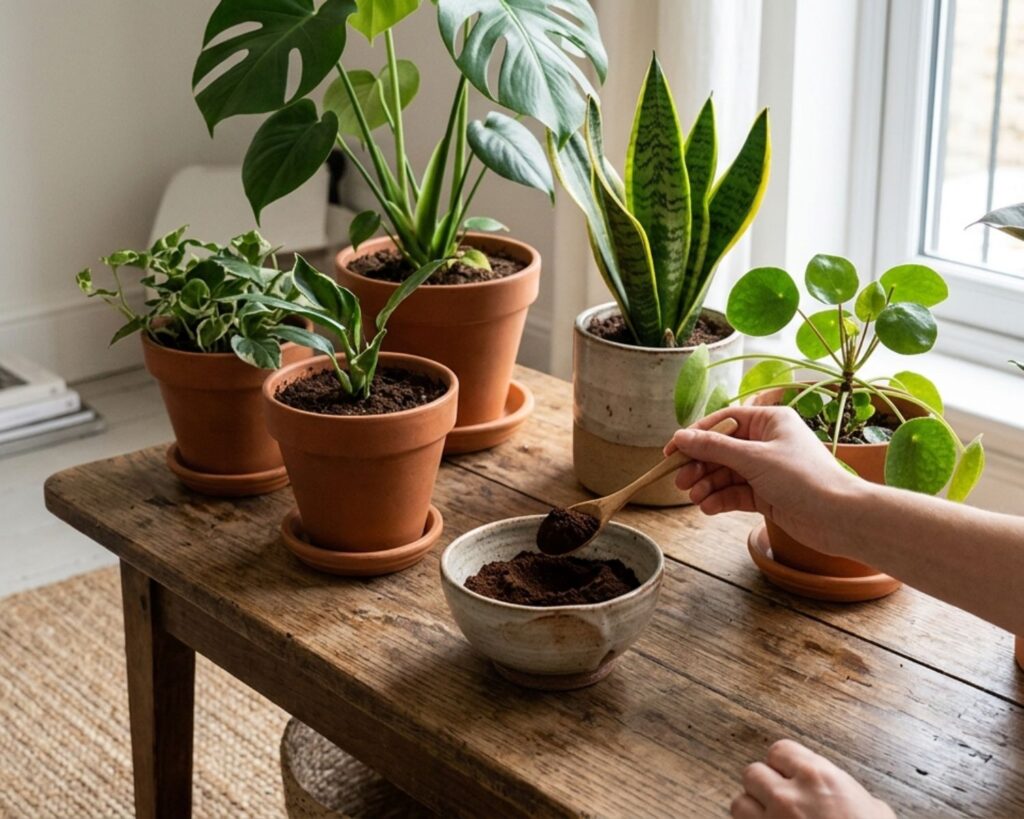
Consider adding coffee grounds to your compost pile as well. When mixed properly, they can transform your compost into a nutrient-rich soil amendment that can enhance the growth of a diverse range of plants. Tomatoes and houseplants like peace lilies and African violets also appreciate the additional nutrients and enhanced soil structure.
How to Use Coffee Grounds in the Garden
Using coffee grounds in the garden is straightforward, but it’s essential to do it right. Here are some practical tips for incorporating coffee grounds effectively:
Adding to Compost
Mix coffee grounds into your compost pile to balance carbon-rich materials like dried leaves or straw. Ensure that the quantity of coffee grounds doesn’t overwhelm the compost, as too many could lead to a compacted pile that lacks airflow. A balanced 50/50 mix is ideal.
Direct Soil Application
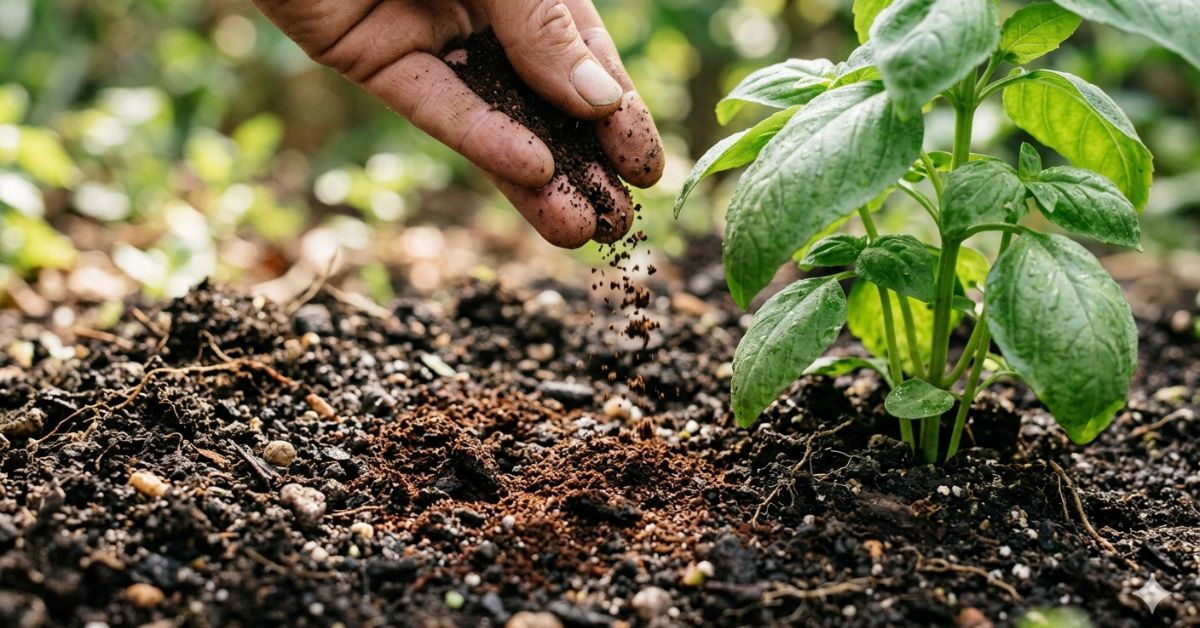
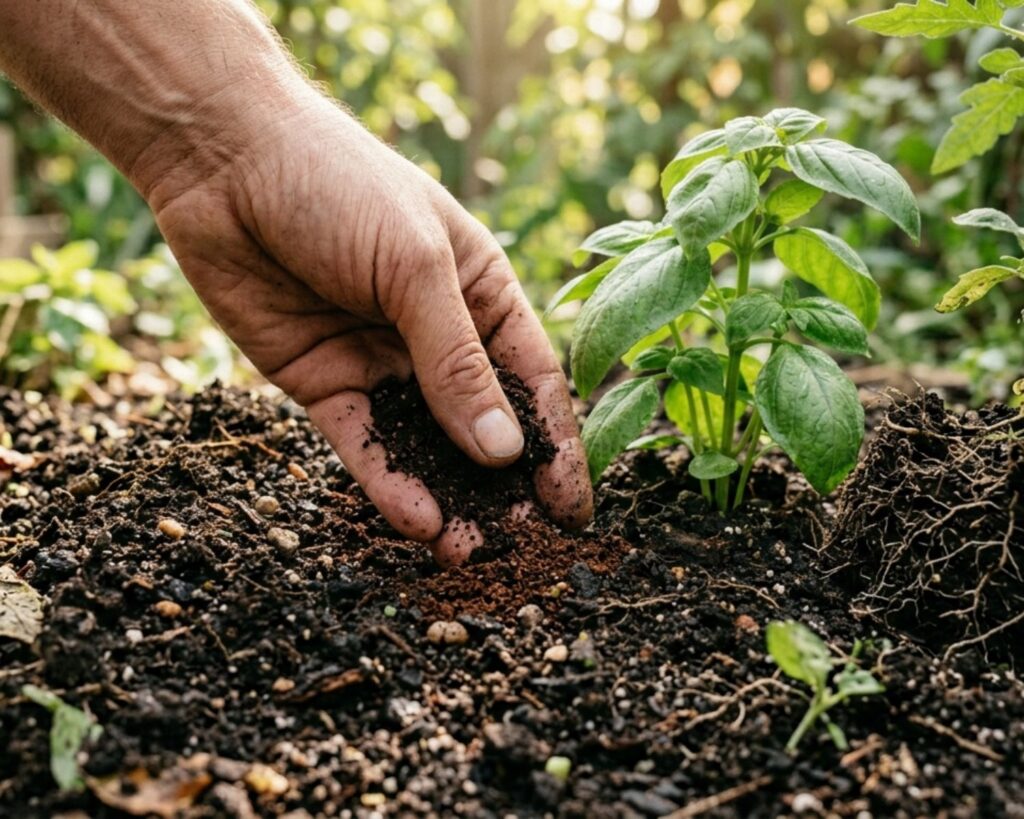
When applying grounds directly to your garden soil, spread a thin layer—about half an inch or so—around the base of your plants. Avoid piling them too closely to the stems or trunks, as this can cause mold growth or create a barrier that restricts air circulation. Over time, water and nature will break down these grounds, introducing nutrients into the soil.
Making a Liquid Fertilizer
Instead of direct application, you can create a simple liquid fertilizer by steeping coffee grounds in water. Let them soak for a day or two, then strain the mixture and use the liquid to water your plants. This method provides a gentle nutrient boost without the risk of overwhelming your plants.
Things to Consider When Using Coffee Grounds
While coffee grounds offer several benefits, moderation is key. Excessive use can lead to nutrient imbalances and may create a compacted layer of material that can impede water flow. A little is sufficient to reap the rewards without overwhelming your soil. Always monitor plants for signs of over-fertilization, such as yellowing leaves.
Lastly, keep an eye on the source of your coffee grounds. If you’re using commercially prepared coffee, be cautious of added flavors or sugars that may not be beneficial for plant health. Stick with plain coffee grounds for the best results.
Conclusion
Incorporating coffee grounds into your gardening routine can be a natural and beneficial way to provide nutrients to your plants. With a rich supply of essential nutrients and the ability to enhance soil structure, coffee grounds can support a vibrant garden. Whether used directly, in compost, or as a liquid fertilizer, the advantages of repurposing these grounds outweigh the potential downsides when used wisely. Give it a try, and watch your plants thrive in a healthier and more sustainable manner.