
How to Brew Coffee Without a Machine
Imagine waking up to the smell of coffee, only to discover your coffee machine is not working or you are away from home without it.
It can be frustrating at first, especially if coffee is part of your daily routine.
But it does not have to stop you from enjoying a great cup. Brewing coffee without a machine can actually lead to a more hands-on and personal experience, where you have greater control over flavor and method.
Methods for Brewing Coffee Without a Machine
1. The French Press
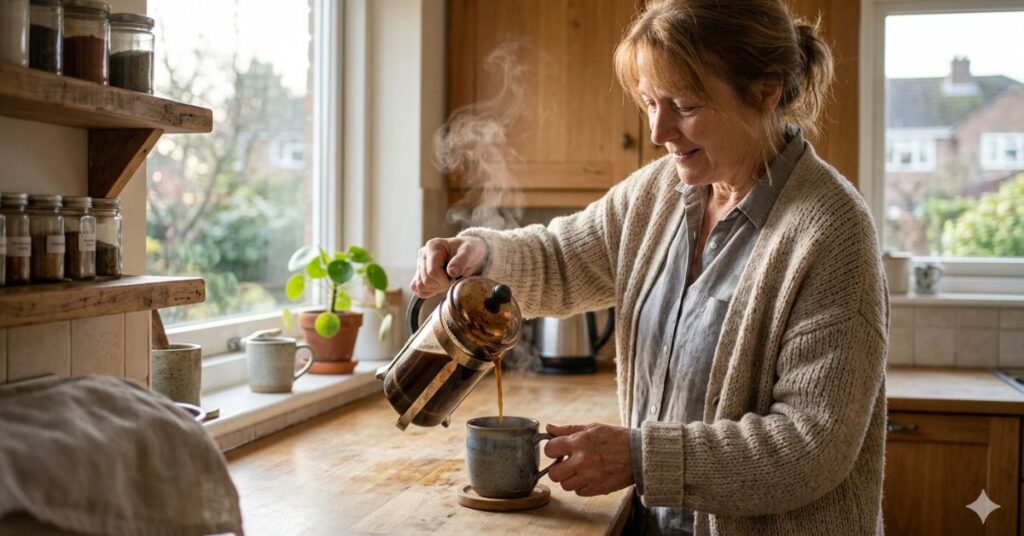
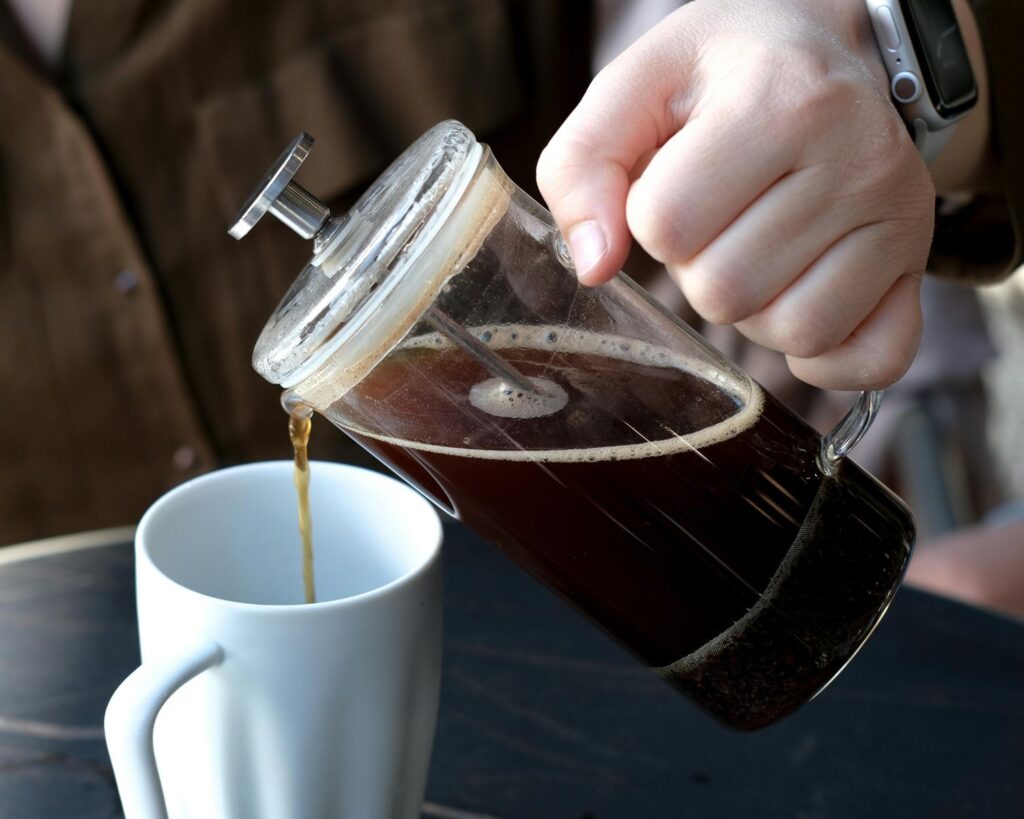
The French Press is a classic method that requires no electricity and produces a rich, full-bodied cup of coffee. Here’s how to do it:
Requirements: French Press, coarsely ground coffee, hot water.
Steps:
Measure about 1 ounce (28 grams) of coffee for every 16 ounces (475 ml) of water. Adjust according to taste.
Boil water and then let it cool for about 30 seconds to reach the optimal temperature of 200°F (93°C).
Add the coffee grounds to the French Press, then pour the hot water over them.
Stir gently, put the lid on, and let it steep for 4 minutes.
Press the plunger down slowly and pour your coffee into a mug. Enjoy!
This method enhances the coffee’s oils and flavors, resulting in a rich brew. However, watch the steeping time. Over-extraction can lead to bitterness.
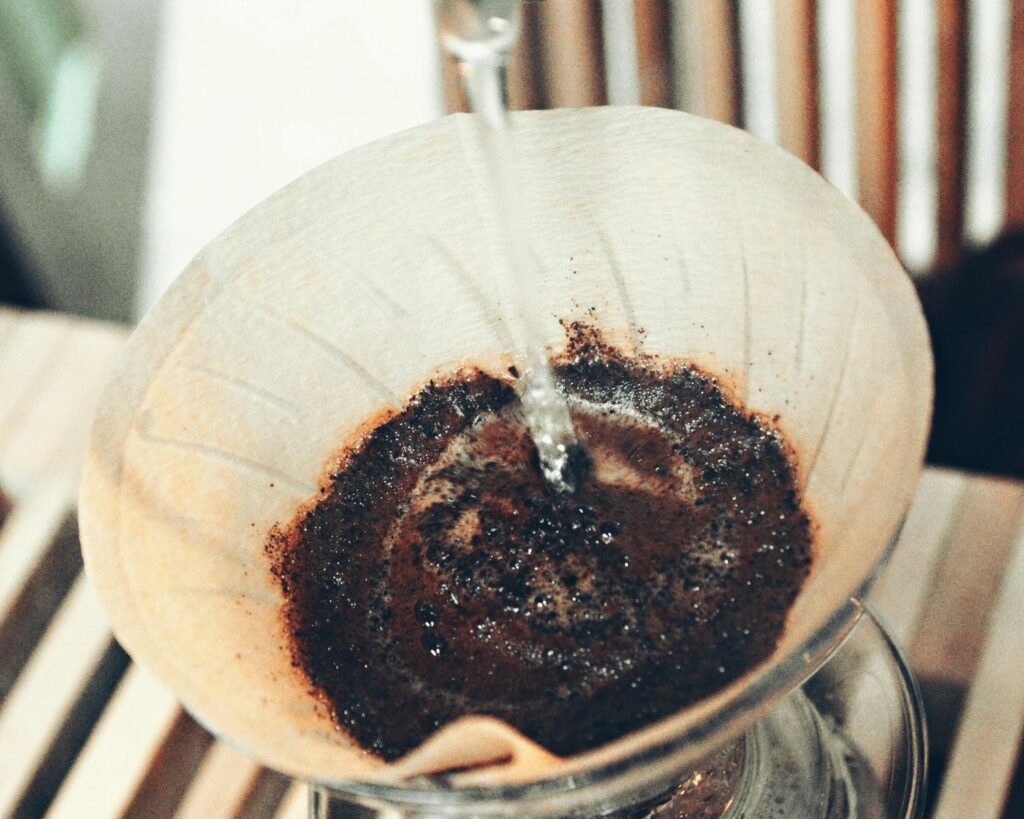
2. The Pour-Over Technique
Pour-over coffee allows for control over the brewing process, highlighting the coffee’s subtle flavors.
Requirements: Pour-over cone or dripper, coffee filter, ground coffee, hot water.
Steps:
Place a coffee filter in the cone and rinse with hot water to eliminate paper taste.
Measure about 2 tablespoons (10 grams) of coffee per 6 ounces (180 ml) of water.
Boil the water and let it cool to approximately 200°F (93°C).
Pour a small amount of water over the coffee grounds to bloom them for 30 seconds.
- Slowly pour the remaining water over the coffee in a circular motion, ensuring even saturation. Allow it to drip through completely.
This method requires patience but results in coffee with distinct layers of flavor. A common mistake is pouring too quickly, leading to uneven extraction.
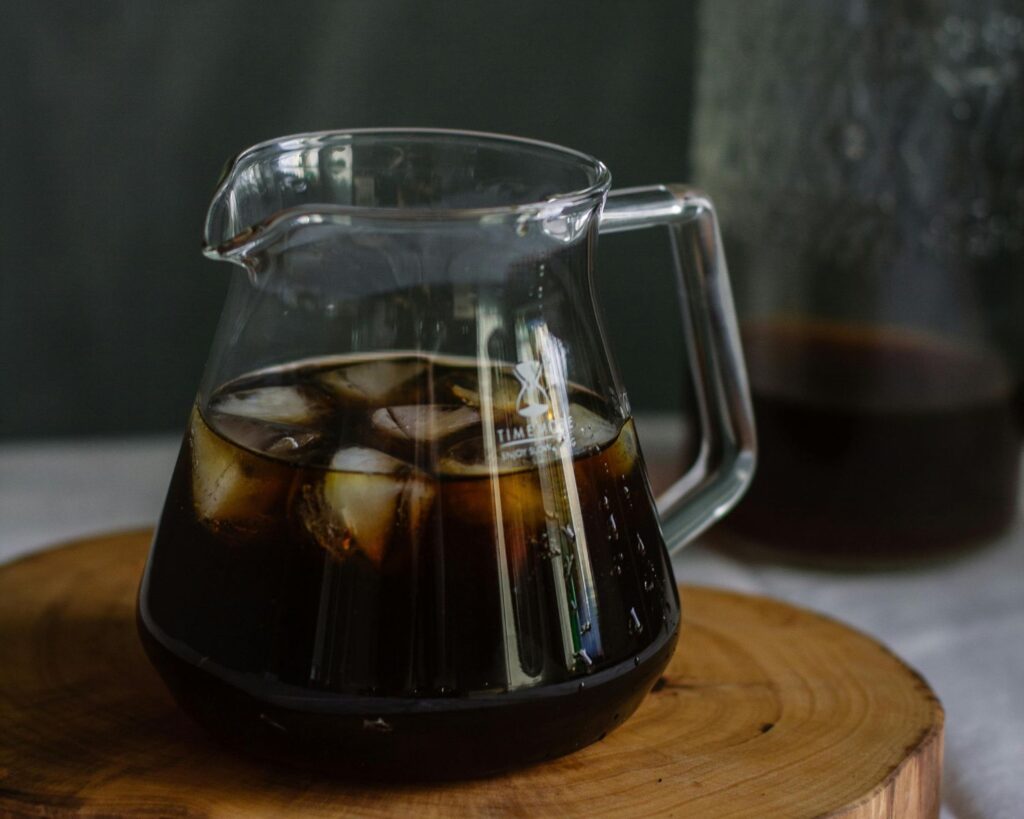
3. The Cold Brew Method
Cold brew is a fantastic option for those who prefer a smoother, less acidic cup of coffee.
Requirements: A jar or pitcher, cold water, coarsely ground coffee.
Steps:
Combine coffee grounds and cold water at a ratio of 1:4 (1 cup of coffee to 4 cups of water).
Stir gently and cover the jar. Let it steep in the refrigerator for 12-24 hours.
After steeping, strain the mixture through a coffee filter or a fine mesh sieve to separate the grounds.
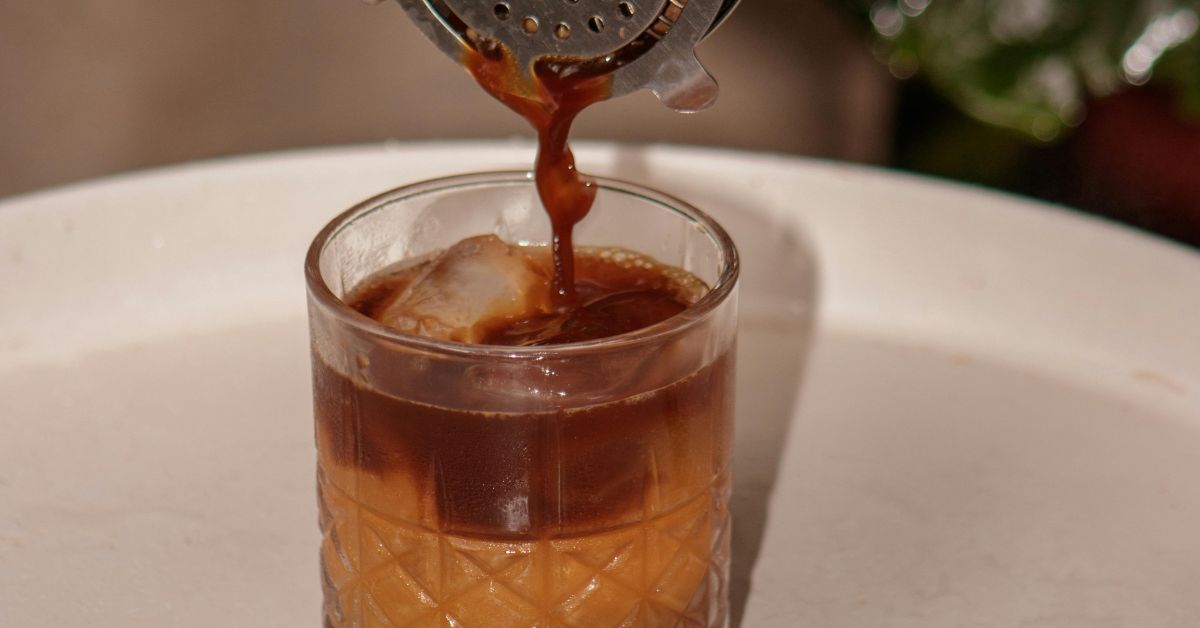
Serve over ice or dilute with water or milk to taste.
This method yields a milder, refreshing coffee that is low in acidity. However, it requires advance planning due to the long steeping time.
4. The Turkish Coffee Experience
Turkish coffee is a unique way to brew that results in a strong and aromatic cup.
Requirements: A cezve (Turkish coffee pot), finely ground coffee, water, sugar (optional).
Steps:
Measure 1-2 teaspoons of coffee per cup into the cezve.
Add cold water and sugar if desired.
Mix gently and place on low heat. Allow the coffee to heat gradually without stirring.
As it begins to foam, remove it from heat before it boils, then allow it to settle and repeat twice.
Pour carefully into a cup, allowing the grounds to settle.
This method delivers an intense flavor but requires mastery of the heat to avoid boiling over. The sediment in the cup can be a turn-off for some but is integral to the Turkish coffee experience.
Common Mistakes to Avoid
Wrong Coffee Grind: Using too fine a grind for methods like the French Press can result in a bitter cup. Always match your grind size to the brewing method.
Overcooking Water: Water that is too hot can scald the coffee grounds and create bitterness. Aim for around 200°F (93°C).
Skipping Measurements: It can be tempting to eyeball measurements, but consistency is key for a great brew. Use a scale for accuracy.
Conclusion
Brewing coffee without a machine is both an art and a science that can lead to a deeply satisfying ritual. Experimenting with different methods helps you discover what suits your taste and lifestyle.
Whether you opt for a robust French press or a creamy cold brew, you’re in control of the flavor experience.
All it takes is a little patience and the willingness to explore new approaches. Grab your coffee, and start brewing your perfect cup today.