
Why Do Coffee Shops Fail?

Quiet empty coffee shop

At first, everything looks promising. A new coffee shop opens with a beautiful space, the smell of fresh coffee in the air, and a steady stream of curious customers. It feels like it has all the ingredients to succeed. Then, a few months later, it’s gone. This pattern is more common than most people realize. Many coffee shops don’t make it past their early years, and the reasons are rarely simple. It’s usually a mix of small missteps that build over time. Understanding where things go wrong is the first step to avoiding the same outcome. Lack of Solid Business Planning Passion for coffee is a great starting point, but it is not enough to run a sustainable business. One of the most common issues is launching without a clear plan. A strong business plan should outline your target market, pricing strategy, operating costs, and realistic revenue expectations. Without it, decisions tend to be reactive instead of intentional. Many new owners assume that a great product will naturally attract customers. In reality, even excellent coffee struggles without structure behind it. Where It Breaks Down Financial planning is often where things fall apart. Startup costs are frequently underestimated, especially when it comes to rent, equipment, staffing, and daily operations. When the numbers are off, cash flow becomes a problem very quickly. A clear financial roadmap does not guarantee success, but it gives you a much better chance of staying afloat when challenges come up. Choosing the Wrong Location Location can quietly determine whether a coffee shop survives or struggles. A high-traffic area increases visibility and brings in walk-in customers. Places near offices, schools, or busy streets naturally create more opportunities for sales. On the other hand, a shop tucked away in a low-traffic area has to work much harder just to be noticed. The Trade-Off Better locations usually come with higher rent, which can put pressure on a new business. Cheaper spaces may reduce costs, but they often limit your exposure. The challenge is finding a balance between affordability and visibility. A great product cannot make up for a location where no one passes by. Not Understanding the Target Market A coffee shop cannot appeal to everyone, and trying to do so often leads to a diluted experience. Successful coffee shops are clear about who they serve. A café near a university will have very different priorities than one in a business district. Pricing, menu design, seating, and even opening hours should reflect that audience. A Common Misstep Many owners design their shop based on personal preference instead of customer demand. This can lead to menu items that do not sell or an environment that does not match what people are looking for. Paying attention to customer behavior and feedback helps you adjust before small issues turn into larger problems. Inconsistent Quality and Service Consistency is what builds trust. Customers expect their coffee to taste the same every time they order it. When quality varies, even slightly, it creates doubt. The same goes for service. A great experience one day and a poor one the next makes it hard for customers to rely on your shop. The Reality Behind It Staffing plays a major role here. Hiring and training skilled baristas takes time, and high turnover can make consistency difficult to maintain. Without proper training, small mistakes add up, from incorrect orders to slow service. Investing in your team and setting clear standards is one of the most effective ways to create a dependable customer experience. Weak or Inconsistent Marketing Even a well-run coffee shop can struggle if people do not know it exists. Marketing is not just about posting occasionally on social media. It requires consistency, clear messaging, and a genuine connection with your audience. Shops that fail to build visibility often rely too heavily on word of mouth, which can be slow and unpredictable. Where Many Shops Fall Short Some owners recognize the importance of marketing but do not execute it effectively. Inactive social media pages, unclear branding, or lack of promotions can make a business easy to overlook. Simple efforts done consistently can make a difference. Regular updates, engaging content, and local partnerships help keep your shop visible and relevant. Poor Inventory and Supply Management Behind the scenes, operations matter just as much as customer experience. Running out of popular items frustrates customers, while overstocking leads to waste and unnecessary expenses. Both issues affect profitability and day-to-day operations. Finding the Balance Good inventory management requires tracking what sells and adjusting orders accordingly. Strong relationships with suppliers also help maintain quality and consistency. There is often a trade-off between cost and quality. Lower-cost ingredients may protect margins in the short term but can affect the overall experience. Higher-quality sourcing may cost more but often leads to better customer satisfaction and repeat business. Final Thoughts Coffee shops rarely fail because of one major mistake. It is usually a combination of small issues that go unaddressed over time. Lack of planning, poor location, unclear targeting, inconsistent quality, weak marketing, and operational inefficiencies all contribute to the outcome. The good news is that each of these areas can be improved with the right approach. For anyone starting or running a coffee shop, the goal is not perfection but awareness. When you understand where businesses tend to struggle, you can make better decisions early on. A successful coffee shop is built intentionally. It grows through careful planning, consistent execution, and a willingness to adapt when things are not working.

What Makes a Coffee Shop Successful

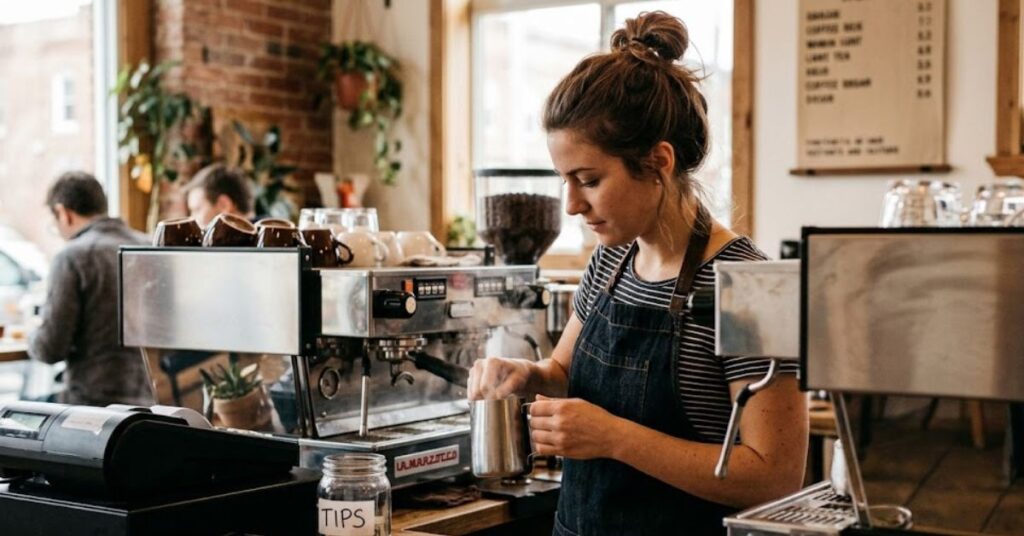
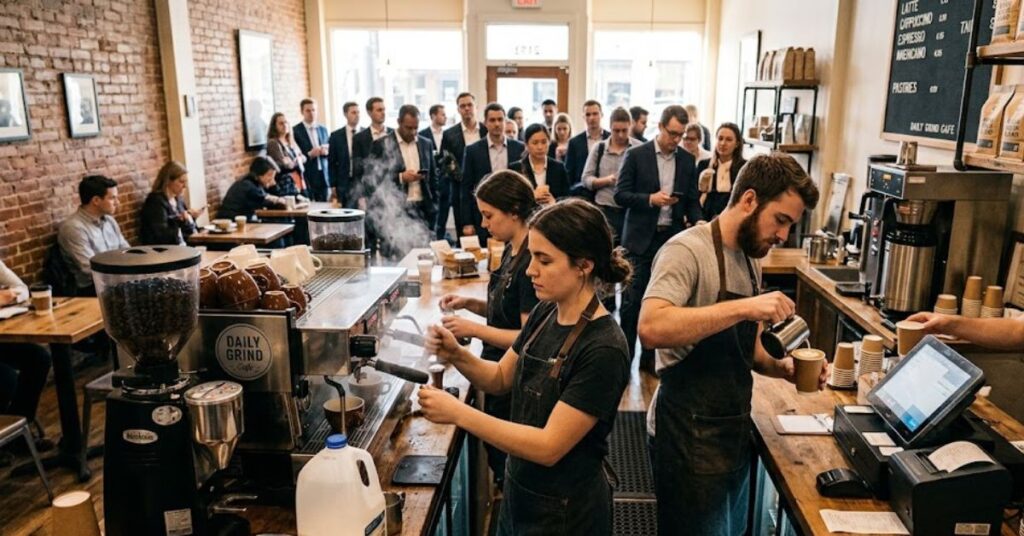
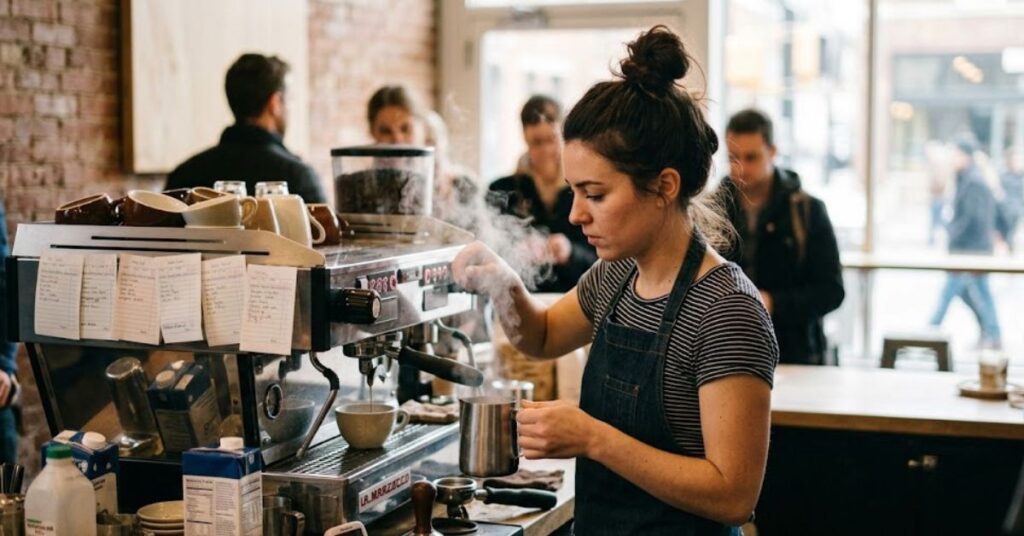
Cozy coffee shop interior with barista and customers enjoying a warm atmosphere

Walk into a great coffee shop and you notice it instantly. The smell of freshly brewed coffee hits you before you even step fully inside. The space feels warm and inviting. Someone behind the counter greets you like they actually mean it. You glance at the menu and find yourself genuinely interested in what’s on offer. It’s the kind of place that makes you want to stay awhile. Now picture the opposite. A shop that feels cold, a menu that doesn’t excite you, staff who seem distracted or indifferent. You probably wouldn’t stay long, and you likely wouldn’t come back. The difference between those two experiences isn’t accidental. Successful coffee shops are built on a combination of thoughtful decisions that shape how customers feel, what they order, and whether they return. Knowing Your Customers At the core of any successful coffee shop is a clear understanding of who it serves. This affects everything, from the drinks you offer to the way your space is designed. If your customers are mostly students, they will value comfortable seating, reliable Wi-Fi, and a calm environment. If you are catering to busy professionals, speed and consistency matter more than anything else. One of the biggest mistakes coffee shop owners make is guessing instead of asking. Skipping market research often leads to mismatched offerings. Simple steps like talking to customers, running surveys, or observing buying habits can reveal what people actually want. When you understand your audience, it becomes much easier to create an experience that keeps them coming back. Coffee Quality and Menu Variety Great coffee is non-negotiable. Customers can tell the difference between average and exceptional, and that difference often determines whether they return. That starts with sourcing quality beans and extends to how they are brewed. Consistency matters just as much as quality. People come back for drinks they can rely on. Beyond coffee, a well-rounded menu helps attract a wider range of customers. Teas, pastries, and light meals can make your shop more versatile. But more options also mean more complexity. A menu that is too large can create problems with inventory, waste, and operations. The goal is balance. You want enough variety to appeal to different tastes without overcomplicating your workflow. Tracking what sells and what does not helps you refine your offerings over time. Atmosphere and Location A coffee shop’s atmosphere plays a huge role in how people experience it. Comfortable seating, thoughtful design, and even background music all influence whether someone stays for five minutes or an hour. Location matters too. A shop in a busy area naturally gets more foot traffic, which increases the chances of spontaneous visits. But a good location alone is not enough. If the space does not feel welcoming, people will not stick around. First impressions matter, and the environment you create should match the expectations of your customers. Service That Feels Genuine Customer service is often what turns a one-time visitor into a regular. Your staff should do more than just make drinks. They should know the menu, offer suggestions, and create a positive interaction. A friendly, engaged barista can completely change how someone feels about your shop. Many coffee shops focus heavily on technical training but overlook people skills. That is a mistake. Warm, genuine interactions are what customers remember most. Regular training and feedback help maintain high standards, but it is the human connection that really sets a place apart. Marketing That Actually Works Even the best coffee shop will not thrive if people do not know it exists. Social media is one of the easiest ways to stay visible. Sharing daily specials, showcasing your space, and interacting with customers keeps your brand top of mind. Collaborations with local businesses or small events can also bring in new faces. Loyalty programs are another simple but effective tool. They give customers a reason to come back and help build a sense of community. That said, many shops underestimate the importance of having a solid online presence. An updated website, a clear menu, and accurate business information make it easier for new customers to find and choose you. Common Mistakes to Avoid Some issues can quietly hold a coffee shop back. Neglecting maintenance is one of them. A space that feels worn or unclean quickly turns customers away. Keeping your shop clean and well-maintained is not optional. It is expected. Financial mismanagement is another common problem. Without careful tracking and realistic planning, even a busy shop can struggle. And perhaps most importantly, ignoring customer feedback can damage long-term growth. Listening to your customers and acting on what you hear builds trust and loyalty over time. Final Thoughts A successful coffee shop is not built on one thing. It is the result of many elements working together. Understanding your customers, serving quality products, creating a welcoming space, and delivering great service all play a role. The most successful shops do not stay static. They pay attention, adapt, and improve over time. If you are running or planning to open a coffee shop, start by looking at these core areas. Small, thoughtful changes can make a big difference in how people experience your space and whether they come back.

Will Coffee Increase Blood Pressure

Espresso served in a heart-shaped cup amidst a bed of coffee beans, showcasing rich coffee aroma and style

Does Coffee Raise Blood Pressure? Coffee is part of daily life for millions of people. Whether it’s a morning habit or an afternoon boost, it plays a consistent role in how many people function and feel. At the same time, questions about its impact on health continue to surface, especially when it comes to blood pressure. If you’ve ever wondered whether coffee is helping or harming your heart, you’re not alone. The relationship between caffeine and blood pressure is more nuanced than it seems, and understanding it can help you make more informed decisions about your intake. How Caffeine Affects Blood Pressure Caffeine is a natural stimulant that affects the central nervous system. After consumption, it increases adrenaline levels, which can cause your heart to beat faster and your blood vessels to narrow slightly. This leads to a temporary rise in blood pressure. For most people, the increase is short-lived and not dangerous. However, responses to caffeine vary depending on several factors: Because of this variability, the same cup of coffee can affect individuals differently. How Much Coffee Raises Blood Pressure? The amount of coffee you drink plays a key role in how it affects your body. Studies suggest that moderate coffee consumption, typically defined as 3 to 4 cups per day, does not cause long-term increases in blood pressure for most healthy adults. However, people who are more sensitive to caffeine may notice a spike even after one cup. Caffeine content also varies depending on the type of coffee: Portion size and preparation method can significantly influence how much caffeine you actually consume. Why Coffee Affects People Differently Not everyone processes caffeine the same way. One major factor is genetics, particularly variations in the CYP1A2 gene, which controls how quickly caffeine is metabolized. This explains why some people can drink multiple cups a day without issue, while others feel jittery or notice a rise in blood pressure after a single serving. Short-Term Spikes vs Long-Term Effects It is important to separate short-term effects from long-term outcomes. In the short term, caffeine can cause a temporary increase in blood pressure. This typically occurs within 30 minutes and may last a few hours. Over time, regular coffee drinkers often develop a tolerance to caffeine. As a result, the impact on blood pressure becomes less pronounced. Long-term research suggests that moderate coffee consumption may even be associated with certain health benefits, including: According to the American Heart Association, moderate coffee intake is generally considered safe for most people and does not appear to significantly increase long-term blood pressure risk. Is Decaf Coffee Better for Blood Pressure? If you are concerned about caffeine, decaffeinated coffee can be a practical alternative. Decaf contains only a small amount of caffeine, usually around 2 to 5 milligrams per cup. This makes it much less likely to cause a rise in blood pressure. At the same time, decaf still contains beneficial compounds such as antioxidants, which contribute to overall health. For people who enjoy the taste and ritual of coffee but want to reduce caffeine intake, it can be a useful option. Common Myths About Coffee and Blood Pressure There are several misconceptions that can lead to confusion: Myth: Coffee causes long-term high blood pressureFor most people, moderate coffee intake does not lead to chronic hypertension. Myth: All coffee affects the body the same wayCaffeine sensitivity varies widely, so individual responses differ. Myth: Certain types of coffee are inherently saferThe effect on blood pressure depends more on caffeine content and quantity than the type of coffee itself. Best Practices for Drinking Coffee If you want to enjoy coffee while keeping your blood pressure in check, a few practical habits can help: These small adjustments can make a noticeable difference over time. Conclusion Coffee can cause a temporary increase in blood pressure, but for most people, it does not lead to long-term problems when consumed in moderation. Individual response plays a major role, so awareness of your own tolerance is essential. If you have existing blood pressure concerns, adjusting your intake or switching to decaf may help you find the right balance. Coffee does not have to be eliminated from a healthy lifestyle. With a thoughtful approach, it can remain an enjoyable and manageable part of your daily routine.  

How to Make Whipped Coffee

A glass of whipped coffee (Dalgona coffee) with thick frothy coffee foam layered over cold milk

How To Make Whipped Coffee Whipped coffee, also known as Dalgona coffee, took social media by storm and quickly became a favorite for coffee lovers everywhere. With its light, frothy top and creamy finish, it turns a simple cup of coffee into something that feels a little more special. At its heart, it’s just instant coffee, sugar, and hot water whipped together until it becomes fluffy and cloud-like. Then it’s served over milk for a drink that’s as beautiful as it is satisfying. If you’re looking to upgrade your coffee routine, this is an easy way to bring a café-style treat into your own kitchen. The Charm of Whipped Coffee Whipped coffee isn’t just about looks, even though it photographs beautifully. It’s also about texture and flavor. The drink became especially popular during lockdowns when people were experimenting more at home, turning everyday ingredients into something fun and comforting. What makes it so appealing is the contrast. The whipped coffee layer is bold and slightly sweet, while the milk underneath is smooth and creamy. Every sip feels rich, soft, and a little indulgent. Ingredients You’ll Need You only need a few simple ingredients: Instant coffee works best here because it whips easily without brewing. Sugar helps stabilize the foam and adds sweetness, while your choice of milk lets you customize the final flavor and texture. Step-by-Step: How to Make Whipped Coffee 1. Mix the base In a bowl, combine instant coffee, sugar, and hot water. Stir briefly to help everything dissolve. 2. Whip it until fluffy Use a hand mixer or whisk and beat the mixture until it becomes thick, light, and creamy. This usually takes 2–5 minutes with a mixer or a bit longer by hand. You’re looking for soft peaks, similar to whipped cream. 3. Prepare your milk Fill a glass with milk, either cold or hot depending on your preference. If you want iced coffee, add a few ice cubes first. 4. Add the whipped coffee Spoon the whipped mixture on top of the milk. It should sit beautifully as a thick foam layer. 5. Stir and enjoy Mix it before drinking so the coffee and milk come together. The result is smooth, creamy, and slightly sweet with a strong coffee kick. The Joy of Customizing It One of the best things about whipped coffee is how easy it is to adjust. You can add cocoa powder for a mocha twist, a drop of vanilla for extra depth, or reduce sugar if you prefer it less sweet. Even the milk makes a difference. Oat milk gives a creamy, slightly nutty flavor, while almond milk keeps it lighter. Pairing Ideas Whipped coffee goes well with simple snacks like cookies, brownies, or chocolate cake. The richness of the drink pairs nicely with anything sweet or buttery. If you want something lighter, fresh fruit works surprisingly well too. The brightness balances the creamy coffee perfectly. A Small Moment of Luxury Whipped coffee isn’t just a trend. It’s a small, satisfying way to slow down and enjoy something you made yourself. Whether it’s part of your morning routine or an afternoon treat, it adds a little comfort to the day. Because sometimes, coffee is more than just a drink—it’s a moment worth enjoying.beverage; it’s a ritual that connects us to our senses and the world around us. Whether you’re whipping this delightful concoction for yourself or impressing guests, enjoy the experience. Pour a cup, watch the foam float, and take that first sip. Your coffee journey has never tasted so good.

Best coffee beans smooth taste

Top view of coffee beans spilling from cup

Best Coffee Beans for a Smooth Taste Coffee lovers often seek that perfect cup, where the flavors blend seamlessly in a rich, smooth experience. The right beans can make all the difference, crafting a drink that’s not only enjoyable but also soothing. In this article, we will explore the best coffee beans that deliver a smooth taste, perfect for your daily brew. The Essence of Smooth Coffee Smooth coffee is characterized by its lack of sharp bitterness and an overall balanced flavor profile. When brewing a cup, you want a coffee that caresses the palate instead of hitting it with harsh notes. The smoothness often comes from the coffee bean’s variety, growing conditions, and processing methods. Learning about these factors helps you select beans that cater to your taste preferences. Top Coffee Bean Varieties with Smooth Profiles Not all coffee beans are created equal, and certain varieties are renowned for their smooth profiles. Here’s a closer look at the key types you should consider when searching for the smoothest cup. Arabica Beans Arabica is the most popular coffee bean variety and is known for its smooth flavors. Grown at higher altitudes, Arabica beans develop a fine, nuanced taste, often featuring fruity and floral notes. These characteristics contribute to a smoother experience compared to Robusta beans, which tend to be stronger and more bitter. Look for single-origin Arabica coffees from regions like Colombia, Ethiopia, or Costa Rica for an inviting cup that pleases the senses. Low-Acidity Coffee Beans If you are particularly sensitive to acidity, look for low-acidity coffee beans. These beans can come from specific regions or be specially processed to reduce their natural acidity. For example, coffee from Brazil or Sumatra is often lower in acidity and typically provides a smoother cup. The result? A velvety brew that is gentle on your stomach while still offering rich flavors. Blends for a Smooth Finish Blends combine various beans to create a balanced profile. Many roasters design blends specifically for smoother tastes, mixing beans that complement each other. A well-crafted medium roast blend can often yield a cup that is rich and smooth, making it an ideal choice for those who want a reliable, comforting brew every day. Always ask your local roasters for recommendations on their smoothest blends to keep your cup exciting. Understanding Processing Methods The processing method used on the coffee beans can significantly impact their final flavor. Some methods are known for producing smoother coffees. Here’s how different processing methods influence taste. Washed Process In washed processing, the outer fruit is removed from the coffee cherry before the beans are fermented and dried. This method tends to produce coffee with cleaner, brighter flavors and reduced bitterness. As a result, washed coffees often have a smoother mouthfeel, making them highly sought after for their crisp clarity. Exploring washed coffees from Central America can yield a delightful cup with a pleasant finish. Natural Process On the other hand, the natural process involves drying the whole cherry before extracting the beans. This method can introduce fruitier notes and sometimes a heavier body in the cup. However, when done correctly, natural processed coffees can still retain smoothness, often layered with complex flavors. If you enjoy a hint of sweetness paired with smoothness, searching for well-executed natural coffees can be rewarding. Roast Level Matters The roast level of your coffee beans can also influence how smooth your drink tastes. Generally, lighter roasts preserve more of the bean’s original flavor characteristics, which can lead to complex taste profiles that are smooth yet interesting. Conversely, darker roasts can sometimes introduce bitterness. If you favor a smooth cup, opt for a medium roast; it strikes an excellent balance by maximizing flavor without overwhelming bitterness. Brewing for Smoothness Even with the best beans, your brewing method plays a crucial role in achieving that silky cup. Here are some tips to ensure you create the smoothest brew possible. Grind Size Choosing the right grind size is essential. A uniform grind leads to even extraction, which is vital for maintaining smoothness. For methods like pour-over or French press, ensure you’re using an appropriate grind size for the brewing technique to avoid over-extraction. A well-extracted cup feels smooth and highlights the coffee’s genuine flavor. Use Fresh Ingredients Always start with fresh coffee beans. The best flavors come from freshly roasted beans, often within two weeks of roasting. Purchasing from local roasters can ensure that you get the freshest beans. Additionally, pay attention to water quality; using filtered water can enhance the coffee’s flavor and smoothness, making every sip enjoyable. Elevate Your Coffee Experience Selecting the best coffee beans for a smooth taste is a delightful exploration of flavor and preference. Focus on varieties like Arabica, consider low-acidity options, and pay attention to processing methods and roast levels. Don’t forget the importance of brewing techniques and fresh ingredients. With this knowledge, you can elevate your coffee experience and enjoy a perfect cup every time. Dive into local roasters to discover unique blends that appeal to your palate and support your local coffee community. Smooth coffee is within reach; all it takes is a little exploration and understanding.

How To Remove Coffee Stains in Carpet

light beige carpet with a fresh coffee spill

Effective Methods for Removing Coffee Stains from Carpet Many people have experienced the frustration of spilling coffee on their carpet, leaving behind unsightly stains that seem impossible to remove. Whether it’s a morning mishap before work or an afternoon indulgence that went awry, coffee stains can leave a lasting mark on carpets. The urgency to restore your carpet can lead to confusion about the best cleaning method to use. Understanding Coffee Stains and Their Composition Coffee contains tannins and oils, which contribute to its rich color and flavor. When coffee spills occur, these elements quickly penetrate the fibers of your carpet, making it crucial to address the stain promptly. The longer the coffee stain sits, the more difficult it becomes to remove, as the tannins bond with the carpet fibers. Moreover, the temperature of the coffee can exacerbate the staining issue, leading to quicker absorption and deeper penetration. Essential Steps for Immediate Action The first step in tackling a coffee stain is to act quickly. Here’s a step-by-step approach to follow: 1. Blot, Don’t Rub Use a clean, white cloth or paper towel to gently blot the stain. Avoid rubbing the stain, as this can push the coffee deeper into the fibers and spread it further. Blotting absorbs the liquid without disturbing the carpet fibers. 2. Dilute the Stain Prepare a solution of cold water and a few drops of dish soap. Lightly sprinkle the stained area with cold water to dilute the coffee. Afterward, use your cloth to blot the area again. The water helps to lift the stain from the carpet fibers. DIY Treatment Options After initial blotting and dilution, it’s time to treat the stain more effectively with common household products. Here are several methods you can try: Option 1: Vinegar and Water Solution Mix equal parts of white vinegar and cold water. Apply this solution to the stain using a cloth, and continue blotting until the stain begins to lift. Vinegar is effective due to its acetic acid content, which breaks down the coffee’s tannins. Option 2: Baking Soda Paste Baking soda can act as a natural abrasive cleaner. Create a paste by mixing baking soda with a small amount of water. Apply this paste directly to the stain and allow it to sit for 15 minutes. Afterward, blot the area with a damp cloth to remove the paste and the stain. Option 3: Club Soda Application Club soda is another effective solution for coffee stains. Pour a small amount onto the stain and allow it to sit for a few minutes. The carbonation helps to lift the stain, making it easier to blot away. Rinse the area with cold water afterward. Commercial Cleaners and Their Usage If home remedies do not fully eradicate the coffee stain, you might consider using a commercial carpet cleaner specifically formulated for stain removal. Follow the instructions provided by the manufacturer carefully: 1. Spot Clean Apply the commercial cleaner to the affected area as directed. Use a clean cloth to blot the area, working from the outside towards the center to prevent spreading. 2. Rinse and Blot After treating with the cleaner, rinse the carpet with cold water and blot again to remove any residual product. Common Mistakes to Avoid While removing coffee stains, certain practices can lead to more harm than good: 1. Using Hot Water Hot water can set the stain, making it more difficult to remove. Always use cold water when treating coffee stains. 2. Skipping the Rinse Step Failing to rinse the area after applying cleaning solutions can cause residue buildup, leading to dirt attraction and future staining. When to Seek Professional Help If your attempts to remove the coffee stain have been unsuccessful after multiple treatments, it may be time to consult a professional carpet cleaning service. Professionals have access to specialized equipment and products that can safely and effectively eliminate stubborn stains without damaging your carpet. Conclusion Removing coffee stains from carpet doesn’t have to be a daunting task. With quick action and the right approach, you can restore your carpet to its original condition. Start by blotting the stain, then use one of the recommended cleaning methods, and remember to avoid common mistakes that could worsen the issue. If required, do not hesitate to seek professional assistance for complex stains. By following these guidelines, you can effectively manage coffee stains and maintain the integrity of your carpet. To ensure you are always prepared, keep essential cleaning supplies handy at home, so you’re ready to take action as soon as an accident happens.

Best Coffee Beans for Beginners

Photo of Coffee Bean in Coffee Grinding Machine

Best Coffee Beans for Beginners: A Comprehensive Guide The journey of brewing a perfect cup of coffee begins with selecting the right beans. A common frustration for newcomers is the overwhelming number of coffee options available, leaving many unsure where to start. Choosing coffee beans may seem simple, but inexperienced coffee drinkers often overlook essential factors such as flavor profile, roast level, and quality. This guide will navigate through the best coffee beans suited for beginners, addressing common pitfalls while emphasizing what matters most in your selection process. Understanding Coffee Bean Types Before you choose coffee beans, understanding the primary types available is crucial. The two most popular types are Arabica and Robusta. Arabica beans are often recommended for beginners because of their smoother, more delicate flavor, whereas Robusta beans tend to be stronger and more bitter. Why does this matter? Arabica is generally considered higher quality, accounting for about 60-70% of global coffee production. These beans thrive in higher altitudes, producing a wider range of flavors. Beginners often enjoy these flavors more since they encompass fruity, floral, and nuanced notes, making them a great starting point. Robusta, while cheaper and more resilient, can overpower coffee drinks if you’re still developing your palate. Roast Levels: Finding Your Preference Roast levels play a significant role in the taste and aroma of coffee. They range from light, medium, to dark roasts. Beginners typically find medium roasts to be a balanced choice, providing a fuller body and richness without overwhelming bitterness. Light roasts preserve the beans’ original flavors but can sometimes lead to sourness if not brewed correctly. Dark roasts, conversely, create a bold and strong profile but may lack the subtle complexities found in lighter roasts. A common mistake for beginners is jumping directly into dark roasts, thinking stronger equals better, which may result in a less enjoyable experience. Single-Origin vs. Blends: What’s Best for Starters? The choice between single-origin beans and blends impacts the flavor and consistency of your coffee. Single-origin coffees originate from one location, making them excellent for exploring specific flavor profiles unique to that region, such as Ethiopia’s fruity notes or Colombia’s balanced flavors. On the other hand, blends combine beans from various regions to achieve a consistent flavor, often appealing to those who prefer a familiar cup without extreme variations. For beginners, blends can offer a forgiving introduction as they tend to be formulated for optimal flavor balance. A common misconception is that only single-origin coffees are worth trying, but many blends have been meticulously crafted to provide a smooth, reliable experience. Start with blends until you feel comfortable experimenting with single-origin varieties. Quality Matters: Specialty vs. Commercial Grade The quality of coffee beans significantly affects the overall flavor and experience. Specialty coffee is sourced from specific regions and typically undergoes rigorous sorting and grading practices, offering unparalleled taste. In contrast, commercial-grade coffee is mass-produced, often leading to inconsistencies and lower quality. Choosing specialty beans may be slightly more expensive, but they usually yield a superior taste experience that makes the investment worthwhile. Beginners often fall into the trap of opting for inexpensive, low-quality beans, resulting in bitter brews that discourage further exploration. Prioritize quality, as it can enhance your coffee journey significantly. Top Recommendations for Beginners 1. Medium Roast Arabica Blend Start with a well-rounded medium roast Arabica blend. Look for brands that emphasize flavor notes and quality sourcing. Popular choices often feature hints of chocolate, caramel, or light nutty undertones, which appeal to a broad audience and serve as an excellent base for various brewing methods. 2. Single-Origin Colombian Coffee Colombian coffee is renowned for its smoothness and balanced flavor. It commonly features mild acidity, making it an easy introduction for beginners. Try opting for a medium roast to experience the full profile without overwhelming bitterness. 3. Light Roast Ethiopian Coffee For those curious about fruity flavors, a light roast Ethiopian coffee can provide an enlightening experience. This choice offers a vibrant taste with bright acidity and floral notes, allowing beginners to explore different aspects of coffee. 4. Instant Solutions: Quality Instant Coffee If you prefer convenience, opt for high-quality instant coffee made from Arabica beans. It’s a practical alternative that retains a good flavor profile without the need for complex brewing methods, making it easy for beginners to enjoy coffee without extensive preparation. Common Mistakes to Avoid When beginning your coffee journey, it is essential to sidestep common pitfalls. Here are some frequent errors: Next Steps: Starting Your Coffee Adventure Choosing the best coffee beans as a beginner is essential for establishing a satisfying coffee experience. Focus on quality, roast level, and types while avoiding common mistakes. Start with a medium roast Arabica blend to ease into coffee exploration. As your palate refines, branch out to single-origin options and different brewing methods. Embark on this flavorful journey and discover your preferences, keeping an open mind to the multitude of possibilities coffee offers.

What Makes a Good Cup of Coffee

Close-up of Coffee Beans in White Cup

What Makes a Good Cup of Coffee Imagine waking up to the rich aroma of freshly brewed coffee filling your kitchen. You pour it into your favorite mug, and with the first sip, warmth and comfort settle in. But when coffee falls short of that moment, it often raises a simple question: what actually makes a good cup of coffee? For many, coffee is more than a drink. It is a daily ritual that shapes the start of the day. Understanding what influences flavor, aroma, and balance can help you consistently brew a cup that feels satisfying and intentional. The Importance of Quality Coffee Beans Everything starts with the beans. Coffee is the seed of the Coffea plant, and its final flavor depends heavily on variety, origin, and how it is processed and roasted. Freshness is one of the most important factors. Coffee tastes best when it is freshly roasted and used within a couple of weeks. Pre-ground coffee loses its aroma quickly, which is why whole beans and grinding just before brewing make a noticeable difference. Arabica beans are often preferred for their smooth, layered flavor, while Robusta tends to be stronger and more bitter. Origin also matters. Ethiopian coffees often carry floral or fruity notes, while Colombian beans are known for their balanced, nutty character. Water Quality and Temperature Matter More Than You Think Since coffee is mostly water, the quality of what you use plays a major role in the final taste. Clean, filtered water helps avoid unwanted flavors that can interfere with the coffee itself. Temperature is just as important. The ideal brewing range is between 195°F and 205°F (90°C to 96°C). Water that is too hot can create bitterness, while cooler water may leave the coffee under-extracted and weak. A helpful starting point is a standard ratio of about 1 to 2 tablespoons of ground coffee per six ounces of water. From there, you can adjust based on personal preference. Brewing Methods Shape the Final Flavor Different brewing methods highlight different qualities in coffee, and each one creates a distinct experience. Pour Over Pour over brewing offers precision and clarity. Water flows slowly through the grounds, producing a clean and bright cup. It allows you to control the process more closely, especially with a steady, even pour. French Press The French press creates a richer, fuller-bodied coffee. Since the grounds steep directly in water, more oils and flavors remain in the final cup. The result is bold, heavy, and satisfying. Espresso Espresso is concentrated and intense. It is brewed under pressure, extracting deep flavor in a short amount of time. A well-pulled shot is marked by a smooth, golden layer of crema on top and serves as the base for many coffee drinks. Timing Makes a Noticeable Difference Brewing time affects how coffee extracts its flavor. Too short, and it can taste sour or weak. Too long, and it becomes bitter. Pour over typically takes 2 to 4 minutes, while French press requires around 4 minutes of steeping. Espresso is much faster, usually extracting in 25 to 30 seconds. Sticking close to these ranges helps maintain balance in the cup. Finding the Right Coffee-to-Water Balance The strength of your coffee often comes down to ratio. If it tastes too strong or bitter, increasing the water can help. If it feels too light, adding more coffee can deepen the flavor. Small adjustments make a big difference, and over time, you will naturally develop a ratio that suits your taste. Proper Storage Keeps Coffee Fresh Coffee is sensitive to air, light, heat, and moisture. Storing beans in an airtight container in a cool, dark place helps preserve their freshness. Avoid keeping coffee in the fridge, as temperature changes can introduce moisture and affect flavor. Buying smaller batches more frequently is one of the simplest ways to maintain quality. Small Additions That Enhance the Experience While many enjoy coffee black, additions can change the experience in subtle and enjoyable ways. Milk, plant-based alternatives, and cream can soften bitterness and add texture. Spices like cinnamon or a touch of honey can also introduce warmth and complexity. Final Thoughts A good cup of coffee is the result of thoughtful choices at every step, from the beans you select to how you brew and store them. There is no single correct way to enjoy it, only what tastes right to you. With a bit of attention and experimentation, coffee becomes more than a routine. It becomes a craft you refine over time, one cup at a time.

How To Brew a Coffee Without a Machine

Refreshing Cold Brew Coffee Being Poured

How to Brew Coffee Without a Machine Imagine waking up to the smell of coffee, only to discover your coffee machine is not working or you are away from home without it. It can be frustrating at first, especially if coffee is part of your daily routine. But it does not have to stop you from enjoying a great cup. Brewing coffee without a machine can actually lead to a more hands-on and personal experience, where you have greater control over flavor and method. Methods for Brewing Coffee Without a Machine 1. The French Press The French Press is a classic method that requires no electricity and produces a rich, full-bodied cup of coffee. Here’s how to do it: Requirements: French Press, coarsely ground coffee, hot water. Steps: This method enhances the coffee’s oils and flavors, resulting in a rich brew. However, watch the steeping time. Over-extraction can lead to bitterness. 2. The Pour-Over Technique Pour-over coffee allows for control over the brewing process, highlighting the coffee’s subtle flavors. Requirements: Pour-over cone or dripper, coffee filter, ground coffee, hot water. Steps: This method requires patience but results in coffee with distinct layers of flavor. A common mistake is pouring too quickly, leading to uneven extraction. 3. The Cold Brew Method Cold brew is a fantastic option for those who prefer a smoother, less acidic cup of coffee. Requirements: A jar or pitcher, cold water, coarsely ground coffee. Steps: This method yields a milder, refreshing coffee that is low in acidity. However, it requires advance planning due to the long steeping time. 4. The Turkish Coffee Experience Turkish coffee is a unique way to brew that results in a strong and aromatic cup. Requirements: A cezve (Turkish coffee pot), finely ground coffee, water, sugar (optional). Steps: This method delivers an intense flavor but requires mastery of the heat to avoid boiling over. The sediment in the cup can be a turn-off for some but is integral to the Turkish coffee experience. Common Mistakes to Avoid Wrong Coffee Grind: Using too fine a grind for methods like the French Press can result in a bitter cup. Always match your grind size to the brewing method. Overcooking Water: Water that is too hot can scald the coffee grounds and create bitterness. Aim for around 200°F (93°C). Skipping Measurements: It can be tempting to eyeball measurements, but consistency is key for a great brew. Use a scale for accuracy. Conclusion Brewing coffee without a machine is both an art and a science that can lead to a deeply satisfying ritual. Experimenting with different methods helps you discover what suits your taste and lifestyle. Whether you opt for a robust French press or a creamy cold brew, you’re in control of the flavor experience. All it takes is a little patience and the willingness to explore new approaches. Grab your coffee, and start brewing your perfect cup today.

Coffee Without Coffee Maker

Close-Up Photo of a Person Pouring Brewed Coffee into a Cup

How to Brew Coffee Without a Coffee Maker For many people, making coffee is more than a routine. It is a small daily ritual that sets the tone for everything that follows. So when your coffee maker is not available, it can feel like something essential is missing. The good news is that great coffee does not depend on a machine. In fact, stepping away from one can open the door to more hands-on and rewarding ways to brew. Why Learn to Brew Coffee Without a Machine? Brewing coffee manually might seem inconvenient at first, but it gives you more control and flexibility than most machines. You can adjust water temperature, pouring technique, and steeping time based on your preferences. It is also practical. If you are traveling, camping, or dealing with a broken machine, knowing how to brew coffee by hand means you do not have to go without it. Beyond that, manual methods often reveal flavors that automatic brewers can miss, helping you better appreciate the character of your coffee. Simple Ways to Brew Coffee Without a Coffee Maker You do not need specialized equipment to make a satisfying cup. With a few basic items and a little attention to detail, you can recreate some of the most popular brewing styles. The French Press Approach Even without a formal press, you can mimic this method using a heatproof container and something to strain the grounds. Start with coarsely ground coffee and hot water. A good ratio is one tablespoon of coffee for every six ounces of water. Pour the water over the grounds, give it a gentle stir, and let it sit for about four minutes. Once it has steeped, separate the grounds using a spoon or a simple strainer. This method produces a full-bodied cup with a rich texture. Because the coffee stays in contact with the water longer, it extracts deeper flavors and oils that give it more weight. A Makeshift Pour-Over If you have a filter and something to hold it in place, you can create a pour-over setup almost anywhere. A clean cloth or even a paper towel can work in a pinch. Use medium-ground coffee and place it inside your filter. Heat your water and let it cool slightly before pouring. Slowly pour the water in small circles, allowing it to pass through the grounds evenly. Aim for about two tablespoons of coffee per six ounces of water. This method gives you a cleaner, brighter cup. Because the water flows through the grounds rather than soaking them, it highlights more delicate flavors and aromas. Cowboy Coffee When you have no tools at all, this is the simplest way to brew. It works especially well outdoors but is just as useful at home if you are improvising. Bring water to a boil, then remove it from the heat. Add coarsely ground coffee, about two tablespoons per cup, and let it sit for four minutes. The grounds will gradually settle at the bottom. Pour slowly and carefully to avoid disturbing the sediment. The result is bold and strong, with a slightly rustic feel that suits the method. Cold Brew Without Equipment Cold brew is one of the easiest methods to prepare ahead of time, and it requires very little effort. Combine coarsely ground coffee with cold or room temperature water using a ratio of one part coffee to four parts water. Let it steep for 12 to 24 hours in a cool place or refrigerator. Once it is ready, strain it through a fine mesh sieve or cloth. The result is a smooth, low-acid concentrate that you can dilute with water or milk. It is especially refreshing in warm weather and keeps well for several days. Tips to Improve Your Results Brewing without a machine puts more responsibility in your hands, but small adjustments can make a noticeable difference. Grind size matters. Coarser grounds work best for longer steeping methods, while finer grounds increase extraction and intensity. If your coffee tastes too bitter, try a coarser grind or shorten the brewing time. If it tastes weak, do the opposite. Water temperature is just as important. Ideally, use water just below boiling. If it is too hot, it can over-extract the coffee and create bitterness. Slightly cooler water helps preserve balance and clarity. Bean quality also plays a major role. Freshly roasted beans with a consistent grind will always produce better results. Exploring beans from different regions can introduce new flavor notes, from bright and fruity to deep and chocolatey. Final Thoughts Learning to brew coffee without a coffee maker is more than a backup plan. It is a practical skill that gives you more control over your coffee and a better understanding of how it comes together. Each method offers a different experience, from the richness of a steeped brew to the clarity of a pour-over. With a little practice, you can make a great cup almost anywhere, using simple tools and a thoughtful approach. The next time you find yourself without your usual setup, you will not have to settle. You will already know how to make something just as satisfying, if not better. 

Discover the best coffee shops across Pampanga. From cozy cafes to modern roasteries, find your perfect cup of coffee.

Quick Links

  • Coffee Shops
  • Promotions
  • Blog
  • About Us

For Businesses

© 2026 Coffee Shops in Pampanga. All rights reserved.