
Blogs

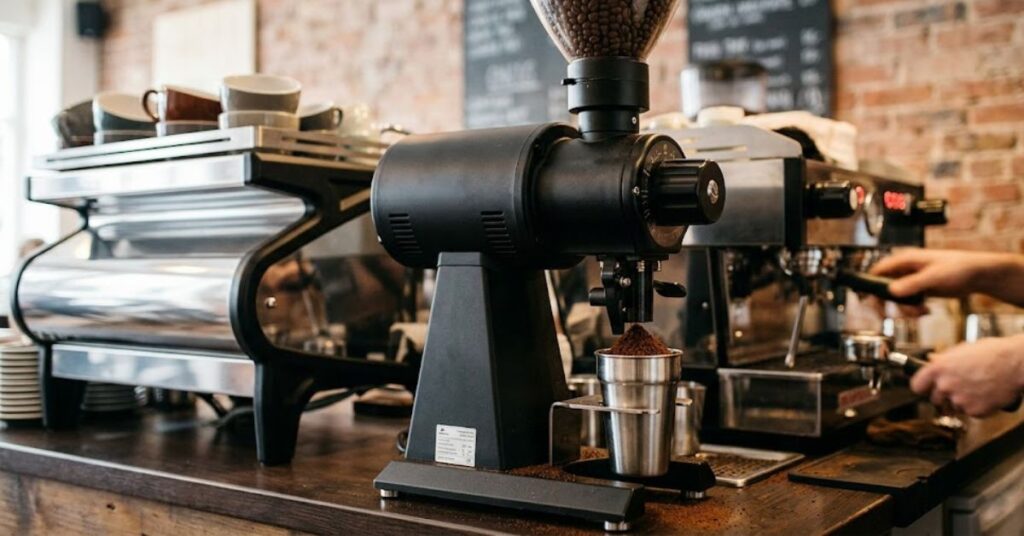
Commercial coffee grinder on a cafe counter.
Blogs

What Grinder Do Coffee Shops Use?

What Grinder Do Coffee Shops Use? You know that distinct, high-pitched whirr right before the barista pulls your espresso shot? That’s the sound of the most crucial, and honestly, the most underappreciated piece of gear in the whole cafe. We all tend to obsess over those massive, shiny espresso machines or the exotic origins of the beans, but the truth is, a beautiful roast means absolutely nothing if the grind is off. I’ve spent way too much time leaning over shop counters trying to get a peek at the equipment, which got me genuinely curious about the unsung hero of our morning rush. What exactly are the pros using behind the bar to get that flawless, fluffy coffee consistency every single time? Importance of the Right Grinder Choosing the right grinder is crucial for coffee shops because it directly affects the flavor, aroma, and overall quality of the coffee served. A high-quality grinder ensures consistent grind size, which is critical for proper extraction. If the coffee grounds are too coarse, the extraction may be under-extracted, leading to a weak flavor. Conversely, if the grounds are too fine, it might lead to over-extraction, resulting in bitterness. Therefore, precision in grinding is essential for achieving the desired taste. Types of Coffee Grinders Coffee Shops Prefer In professional settings, coffee shops typically use one of two types of grinders: blade grinders and burr grinders. However, burr grinders are the preferred choice for most coffee shops due to their ability to produce a consistent grind size. Burr Grinders Burr grinders utilize two revolving abrasive surfaces, or “burrs,” that crush the coffee beans. The distance between these burrs can be adjusted to control the grind size, allowing baristas to tailor the grind to the brewing method. For instance, espresso requires a fine grind while French press calls for a coarse grind. Why do coffee shops favor burr grinders? Here are the main reasons: Consistency: Burr grinders produce uniform grind sizes, which is vital for balanced extraction. Control: The ability to adjust grind size makes these grinders versatile for different brewing methods. Heat Management: Burr grinders generate less heat compared to blade grinders, preserving the coffee’s essential oils and flavors. Blade Grinders Blade grinders use a rotating blade to chop the beans. While these grinders are more affordable, they are less precise. The grind size can vary dramatically since the beans are not ground uniformly. This inconsistency leads to varied extraction rates, impacting flavor and quality. Blade grinders are generally considered less ideal for coffee shops, primarily for these reasons: Inconsistency: The uneven grind can lead to unpredictable flavors and balances in coffee. Heat Generation: The high-speed blade can heat the beans, which may damage the flavor. Features to Look For in a Coffee Grinder When selecting a grinder for a coffee shop, several features should be considered: Grind Size Settings Multiple grind settings are essential, allowing baristas to switch between brewing methods easily. A good grinder should have options for coarse, medium, and fine grinds. Capacity High-capacity grinders are vital for coffee shops, especially during busy hours. A grinder that can hold a sizable amount of beans minimizes the need for frequent refills, improving efficiency. Durability Investing in a durable grinder is essential for daily use in a busy coffee shop. Look for construction materials that promise longevity, such as stainless steel, which is resistant to corrosion and wear. Maintenance Easy maintenance is crucial in a coffee shop setting. Grinders should have accessible parts for cleaning, and burrs should be replaceable to maintain optimal performance over time. Common Mistakes When Choosing a Coffee Grinder Many coffee shop owners make a few common mistakes when selecting a grinder: Which Grinder is Best for Your Coffee Shop? For most coffee shops, investing in a high-quality commercial burr grinder is the best option. Brands such as Mazzer, Baratza, and Eureka consistently receive praise for their performance and durability. Mazzer’s Super Jolly or Baratza’s Forte can easily meet the demands of both busy specialty cafes and smaller coffee shops. Ultimately, the right grinder depends on the volume of coffee you serve, your budget, and the variety of brewing methods you plan to offer. For smaller shops or those just starting, a mid-range burr grinder can provide excellent results without breaking the bank. Larger establishments that prioritize precision and speed may consider high-end models that cater to their specific needs. Next Steps for Coffee Shop Owners If you are a coffee shop owner looking to upgrade or purchase your first grinder, start by assessing your needs. How much coffee will you serve daily? What brewing methods will you offer? Based on your answers, prioritize investing in a quality burr grinder that aligns with your shop’s values and customer expectations. Remember, the right equipment lays the foundation for exceptional coffee.
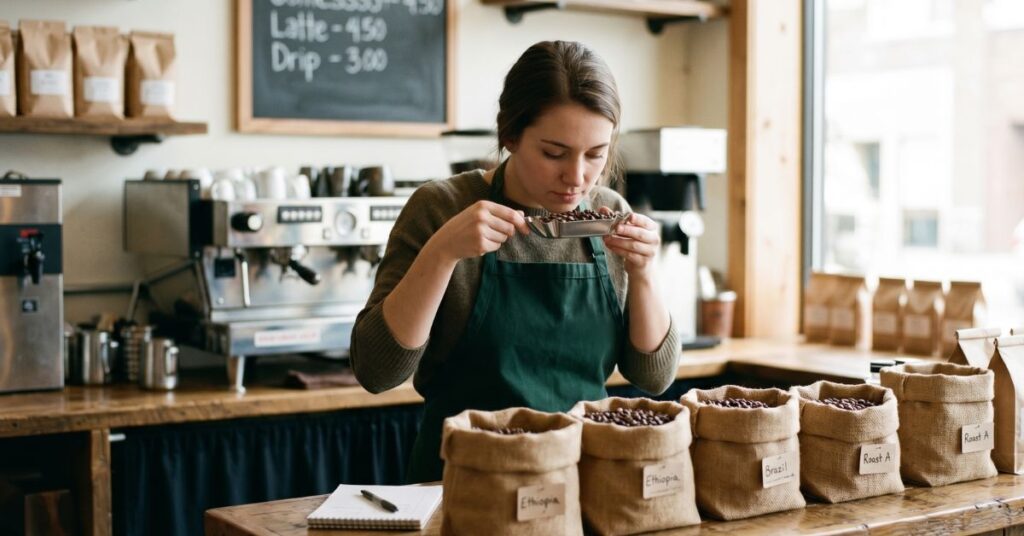
Barista smelling coffee beans in a cafe.
Blogs

How Do Coffee Shops Choose Coffee Beans?

How Do Coffee Shops Choose Coffee Beans? Understanding the Coffee Bean Selection Process When you walk into your favorite coffee shop, you may be blissfully unaware of the complexities behind the coffee beans they serve. Choosing the right coffee beans isn’t merely about the taste; it involves a multitude of factors that can make or break the quality of the brew. For coffee shop owners, the choice of beans plays a crucial role in attracting customers and ensuring satisfaction. Quality Over Quantity One of the primary factors coffee shops consider when selecting coffee beans is quality. Superior coffee beans not only provide a better taste but also affect the overall customer experience. High-quality beans are often sourced from specific regions known for their production, such as Colombia, Brazil, or Ethiopia. These regions produce beans that are unique in flavor profile due to their climate, elevation, and soil composition. Common misconceptions include thinking that all coffee beans are created equal. However, the variety of the beans such as Arabica or Robusta, can drastically change the outcome of the brew. While Arabica boasts a sweeter, more complex flavor, Robusta is often more bitter and less aromatic. For a coffee shop aiming for excellence, Arabica beans are often preferred. Sourcing Strategies Coffee shops typically obtain beans through various channels. They can work directly with farmers, purchase through co-ops, or buy from distributors. Each method has its benefits and drawbacks. Direct sourcing allows for better pricing and transparency but demands time and knowledge about the coffee production process. In contrast, purchasing through distributors provides convenience but can lead to a disconnect regarding bean quality. Trade-offs also come into play here. Smaller coffee shops might favor direct sourcing for unique offerings, while larger chains might rely on distributors for consistency. Understanding the nuances of each approach is essential for coffee shop owners, this ensures they align their sourcing methods with their business model and customer expectations. Flavor Profiles and Roasting Methods Another critical consideration is the intended flavor profile. Coffee shop owners often aim to create a specific experience for their customers, including the flavors they wish to highlight in their drinks. This decision directly influences the choice of bean types and roasting methods. For example, light roasts tend to preserve its original flavor, offering bright acidity and fruity undertones. In contrast, dark roasts are known to be a bold, bitter taste. Roasting methods matter significantly as well. A shop focused on artisanal coffee may opt for small-batch roasting, which enhances flavor complexity but requires more meticulous preparation and monitoring. On the other hand, larger establishments may use larger roasters for efficiency, which can lead to a more homogenized flavor profile. Understanding Customer Preferences Customer feedback plays a pivotal role in the bean selection process. Coffee shops typically conduct surveys or rely on social media feedback to understand which beans resonate with their clients. Monitoring sales trends also helps identify popular products compared to those that fail. A common mistake is overlooking customer preferences. Coffee shop owners who stock their menu based on personal favorites rather than listening to their customers may end up with wasted inventory. To avoid this trap, engaging customers through tastings or feedback surveys can provide valuable insights, helping to refine bean selections. Seasonality and Availability Seasonality significantly influences coffee choices. Different regions produce coffee beans at varying times of the year, impacting availability and pricing. For instance, a shop may opt for a seasonal blend that celebrates a specific harvest, offering customers a unique experience while supporting responsible sourcing practices. Trade-offs vary; seasonal offerings can attract new customers but may lead to variability in flavor profiles across different periods. Establishments that prioritize seasonal beans may also foster a sense of urgency among customers, prompting quicker decision-making during purchases. Ethical Sourcing Considerations In today’s coffee industry, ethical sourcing has become increasingly vital. Consumers are more educated and concerned about sustainability issues, as well as fair trade practices. Coffee shop owners often face the challenge of supporting farmers and workers while maintaining profitable operations. The choice of beans often reflects these values, with many shops opting for Fair Trade certified or Direct Trade beans that ensure ethical practices in the supply chain. This can influence customer loyalty; patrons are often more inclined to support businesses that demonstrate a commitment to social responsibility. Those who fail to prioritize ethically sourced beans may find themselves alienating a segment of their customer base. Common Mistakes to Avoid Several pitfalls can thwart a coffee shop’s efforts in bean selection: Conclusion The selection of coffee beans in coffee shops is a well-rounded process that requires careful consideration of quality, sourcing methods, flavor profiles, customer preferences, seasonality, and ethical sourcing. By paying attention to these factors, coffee shop operators can ensure they serve the best possible products to their customers, ultimately leading to increased satisfaction and loyalty. An immediate next step for coffee shop owners is to assess their current bean selection process, gather feedback from customers, and explore new sources or regions. Trialing small batches of diverse beans can enhance their offerings and refine their market position.

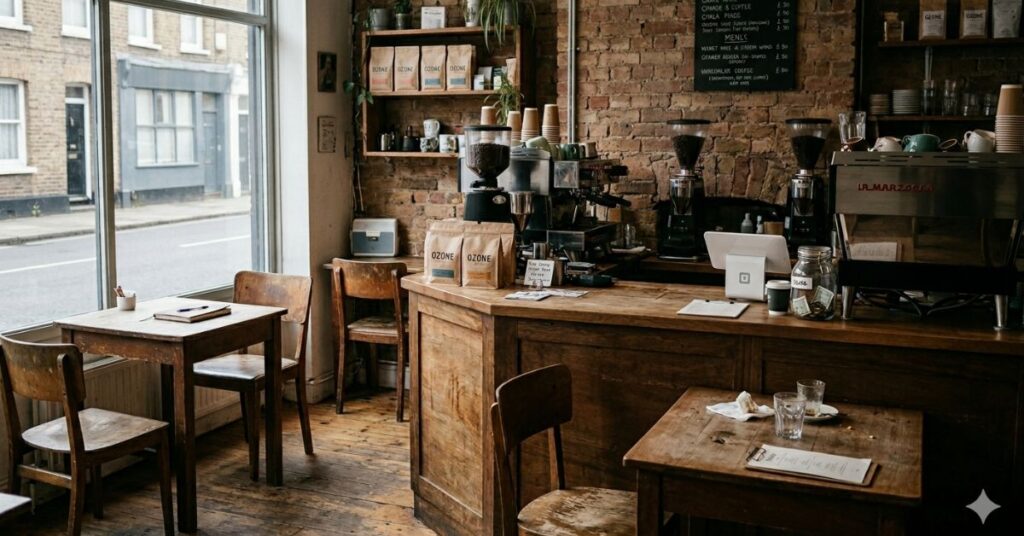
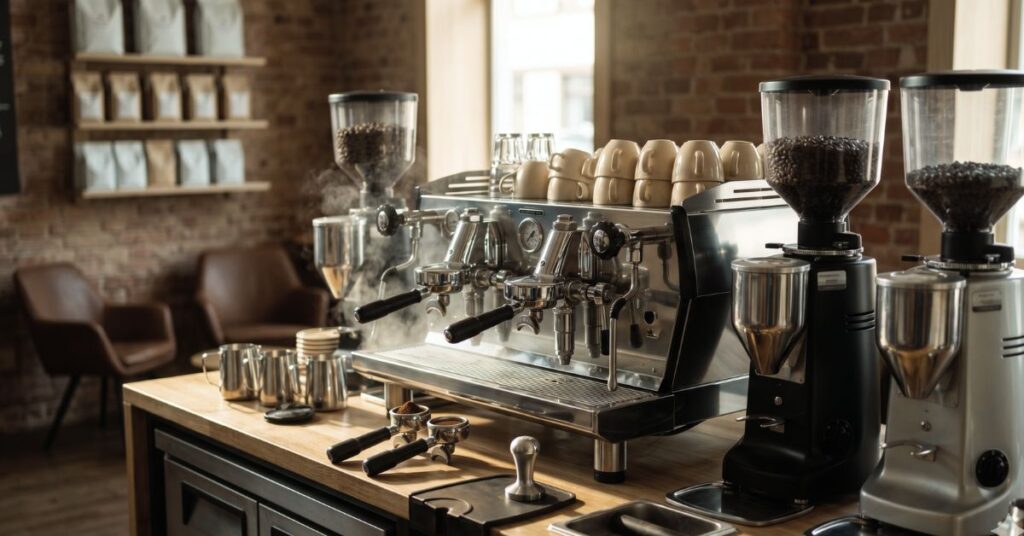
Espresso machine and grinders on a cafe counter.
Blogs

What Equipment Do Coffee Shops Need

Essential Equipment Coffee Shops Need for Success We’ve all stood in line at our favorite local spot, watching the baristas pull shots and steam milk in this mesmerizing, fast-paced rhythm. It looks like pure skill, and a lot of it is, but there’s a hidden backbone to that entire operation: the hardware. You can have the most incredible single-origin beans and a team full of latte art experts, but if the utilities can’t keep up with the morning rush, the whole thing falls apart. I’ve always been a bit of an equipment nerd when it comes to coffee, and I wanted to dig into what actually makes a café efficient. So, let’s talk about the heavy hitters, the essential equipment every shop actually needs to keep the coffee flowing and the line moving. Espresso Machine: The Heartbeat of Your Coffee Shop The espresso machine is not just a piece of equipment; it’s the cornerstone of a coffee shop’s offerings. A multi-group espresso machine allows for the simultaneous brewing of multiple shots, which is needed during peak hours. Top choices include brands like La Marzocco and Nuova Simonelli, known for their reliability and quality. Why does this matter? Efficiency translates to a smoother customer experience, faster service can lead to higher sales and satisfied customers. A common misunderstanding is that expensive machines guarantee the best coffee. While quality equipment is vital, the skill of the barista plays a significant role too. Regular training and practice are just as important to getting consistently excellent shots. Grinder: Precision and Freshness Next on the list is the coffee grinder. Freshly ground coffee is fundamental to crafting exceptional beverages. A good commercial grinder, such as a Mahlkönig or Eureka, can significantly affect both flavor and consistency. It’s advisable to use a burr grinder, which provides a uniform particle size, crucial for espresso extraction. Why this precision matters: Different brewing methods require different grind sizes. Coarse grounds are ideal for French press, while fine grounds are necessary for espresso. A common mistake is to overlook the grinder, focusing solely on the espresso machine, which can lead to uneven extractions and disappointing flavors. Invest in a quality grinder, and consider a backup for busy periods, nothing stops your service like a malfunctioning grinder. Water Filtration System: Clean and Balanced The quality of water used for coffee can dramatically impact flavor. A water filtration system ensures that minerals in the water are balanced, preventing bitterness in brews. For shops with high customer turnover, a reverse osmosis system can be beneficial. It provides purity and consistency, essential for high-quality espresso. This matters because the wrong water can lead to damage in your equipment. Calcium buildup can clog machines and lead to costly repairs. Many coffee shop owners underestimate the importance of water quality. They fail to address this issue that can impact everything from flavor to equipment longevity. Regular maintenance of the filtration system is crucial to ensure it operates effectively. Brew Bar: Versatility at Its Best A brew bar is a perfect addition for coffee shops aiming to offer a variety of brewing methods. This space should include equipment for pour-over, French press, or Aeropress. Each method appeals to different customers who might enjoy a specific taste profile or brewing process. Popular choices for pour-over setups include the Chemex or Hario V60. Why does this versatility matter? Offering multiple brewing methods can attract a broader customer base. Customers who may not enjoy espresso could find their preference in other styles. A common mistake is limiting the menu to espresso-based drinks, which can alienate potential customers looking for alternative options. Invest in quality brew bar tools to enhance your offerings. Refrigeration: Keeping Ingredients Fresh Refrigerators and display coolers are vital for keeping dairy products, syrups, and pastries fresh. A high-quality commercial refrigerator ensures that ingredients are stored at the correct temperature, maintaining freshness and safety. Display coolers can also enhance product visibility, enticing customers to make impulse purchases. This equipment matters because using high-quality ingredients directly impacts product quality. Spoiled milk or stale pastries can lead to negative customer experiences. Commonly, coffee shop owners underestimate the importance of refrigeration, which can result in waste and loss of income. Consider investing in energy-efficient models that save on overhead costs while maintaining optimal temperatures. Point of Sale (POS) System: Streamlining Transactions A capable POS system is essential for modern coffee shops. A good system can manage orders, track inventory, and handle customer payments efficiently. Systems like Square or Toast offer user-friendly interfaces suitable for busy environments. Customizable options allow shop owners to tailor functionalities to their needs. Why it matters: A reliable POS can lead to improved efficiency, reducing wait times and increasing customer satisfaction. A common mistake is choosing a system based solely on price rather than functionality. Look for features that integrate with your sales and inventory analytics for better decision-making down the line. Seating: Creating the Right Ambiance While not equipment in the traditional sense, seating greatly affects customer experience. Comfortable seating encourages patrons to linger, resulting in higher spending. Consider a mix of seating styles: cozy armchairs for relaxation or small tables for quick visits can cater to various customer needs. Why this is crucial: An inviting atmosphere can enhance customer retention. Sparing no expense is a mistake to avoid; well-chosen furniture can raise the overall vibe of the coffee shop without breaking the bank. Mixed seating approaches allow for different customer experiences, attracting both those looking for a quick fix and those wanting a place to study or work. Common Mistakes to Avoid When setting up a coffee shop, many owners overlook these critical aspects: Your Next Steps In conclusion, setting up a successful coffee shop requires more than just a passion for coffee. Prioritize investing in quality equipment that enhances both efficiency and customer experience. Start with the essentials: a reliable espresso machine and a top-notch grinder. Then build upon that foundation with tools that can diversify your offerings, creating a welcoming space for

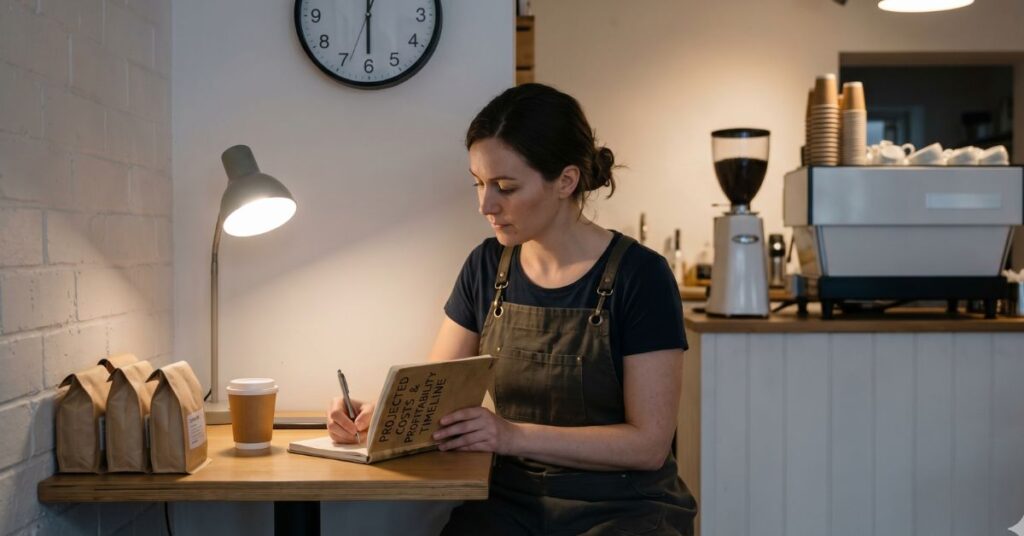
Coffee shop owner writing in a notebook.
Blogs

How Long Does It Take a Coffee Shop to Become Profitable?

How Long Does It Take a Coffee Shop to Become Profitable? Opening a coffee shop can seem like a dream come true, but many aspiring owners are left wondering when they will start making a profit. After pouring time, energy, and passion into their venture, the last thing they want to hear is that it may take years to break even. If you are contemplating starting a coffee shop, understanding the timeline for profitability is essential. The Timeframe for Profitability A coffee shop typically takes between six months to three years to turn a profit. This range depends on various factors, such as market conditions, location, initial investment, and operational costs. The key takeaway is that quick profits are rare in the coffee industry, and patience, along with strategic planning, is necessary for success. Factors Influencing Profitability Location The choice of location significantly impacts a coffee shop’s foot traffic and customer base. Shops located in high-traffic areas, such as near business districts or colleges, tend to attract more customers and achieve profitability sooner. In contrast, a less visible location may lead to lower sales, prolonging the journey to profitability. When selecting a site, consider the population of the surrounding area, accessibility, and competition. Initial Investment The capital investment required to open a coffee shop depends on whether you are starting from scratch or buying into an existing brand. Initial costs can include equipment, decor, furnishings, and inventory. More significant investments in quality equipment and a strong brand identity can lead to faster returns, while budget cuts on these aspects may extend the time needed to become profitable. Operational Costs Understanding and managing operational costs is crucial for profitability. These can include rent, utilities, labor, and supplies. Monitoring expenses and finding areas to cut costs without sacrificing quality can help shorten the path to profitability. A common mistake for new owners is underestimating these expenses or failing to create a robust budget, which can lead to financial difficulties down the road. Common Mistakes That Delay Profitability Owners can inadvertently make decisions that extend the time before reaching profitability. Some of the most common mistakes include: The Importance of Marketing Effective marketing plays a vital role in getting a coffee shop off the ground. Establishing a brand presence through social media, local advertising, and partnerships can significantly boost visibility. Engaging the community with events, loyalty programs, and promotions can also attract and maintain customers, leading to quicker profitability. Which Options for Faster Profits? To optimize the journey toward profitability, consider the following strategies: 1. Invest in Quality Equipment High-quality coffee machines and tools can reduce waste and enhance the customer experience. While initial costs may be higher, good equipment is more durable and efficient, resulting in better profit margins in the long run. 2. Build a Strong Community Network Participating in community events and forming partnerships with local businesses can help raise awareness and create a loyal customer base. Building relationships within the community fosters goodwill, leading to repeating customers. 3. Implement Efficient Staffing Well-trained staff can improve service quality and efficiency, reducing wait times and enhancing customer satisfaction. Consider staffing according to peak hours to ensure adequate coverage without overspending on wages. Analyzing the Competition Understanding your competition is vital to adjusting your business model. Analyze what successful coffee shops in your area are doing well. Look at their menu offerings, price points, and customer engagement strategies. Knowing their strengths can help you find your unique selling proposition and carve a niche in the market. Conclusion While a coffee shop may take anywhere from six months to three years to become profitable, understanding the critical factors influencing this timeline is essential. From location and operational costs to effective marketing strategies, each element plays a significant role in achieving financial success. By avoiding common pitfalls and being strategic in your approach, you can potentially reduce the time it takes to reach profitability. Before starting your journey, create a detailed business plan that includes realistic financial projections to guide your strategy. Identifying and addressing challenges early on will set you up for success and help your coffee shop thrive in a competitive market.

View of a street from inside a cafe.
Blogs

How Much Does It Cost to Open a Coffee Shop?

How Much Does It Cost to Open a Coffee Shop? You know that feeling when you’re hanging out in a really great cafe and the thought crosses your mind: I could absolutely do this? It’s a great dream, but the jump from enjoying a perfectly poured flat white to actually running the place is a big one. If you’re seriously thinking about making the leap and opening your own coffee shop, the very first thing we need to talk about is the budget. Just how much cash does it actually take to turn an empty commercial space into a buzzing neighborhood spot? It’s a lot more complicated than just signing a lease and buying a shiny espresso machine. Let’s sit down and walk through the real, on-the-ground costs of opening a cafe, so you know exactly what to expect before you spend a single dime. Initial Setup Costs The initial costs can be different depending on your location, the size of your café, and your vision. Usually, startup expenses include renting a space, renovating the venue, purchasing equipment, and getting permits. On average, leasing a commercial space can cost anywhere from $2,000 to $5,000 per month, depending on the size and location. Renovation costs can add another $30,000 to $100,000 to your budget, influenced by how much you want to invest in the atmosphere and layout of your café. Equipment expenses, like espresso machines, grinders, blenders, and brewing devices, often run between $20,000 and $50,000, making this a significant portion of your initial investment. Additionally, don’t forget to factor in licenses and permits, which can cost between $500 and $1,500, depending on your local regulations. Operational Expenses After the initial setup, you need to anticipate your cost of operation. These typically include rent, utilities, inventory, employee wages, and marketing expenses. Monthly rent can largely eat into your profits. Utilities, including water, electricity, and internet services, usually range from $500 to $1,000. The cost of ingredients, such as coffee beans, milk, pastries, and other products can vary but expect to spend a minimum of $1,000 each month initially as you build up your customer base. Wages can be a major operational cost, estimated at around $2,000 to $5,000 monthly, depending on the number of employees and their roles. Marketing is often overlooked, but spending 5-10% of your revenue on marketing strategies can boost your coffee shop’s visibility and sales. Common Mistakes to Avoid One of the most common mistakes first-time coffee shop owners make is underestimating the costs of starting and running their business. Expecting to spend less than the actual cost can lead to cash flow issues down the line. Avoid the trap of focusing solely on lower equipment costs; investing in high-quality machines is essential for serving great coffee and attracting repeat customers. Another frequent misstep is neglecting to budget for marketing and hidden costs. Many new owners forget to account for unexpected expenses like equipment repairs or increases in supply prices. Failing to plan for these contingencies can quickly derail your financial stability. Location of Operations Your choice of location can dramatically influence your costs. Urban areas usually has higher rents but often have higher foot traffic, while suburban or rural locations may offer lower rents with a potential trade-off in customer volume. Therefore, conduct thorough market research to find a balance between cost and visibility in order to attract customers effectively. Choosing a smaller space might lower rent but can limit your inventory and seating options. On the flip side, a larger café could invite more operational costs but also a higher potential profit. Understanding your market and target audience will help you choose a location that suits both your financial constraints and business vision. Financing Your Coffee Shop How do new entrepreneurs typically finance their coffee shops? Surprisingly, many utilize a mix of personal savings, small business loans, and sometimes crowdfunding or investor partnerships to cover the costs involved. A common mistake here is relying too heavily on a single source of funding. Using different funding avenues can help lower risk and provide a cushion for unforeseen expenses. For those seeking loans, a strong business plan outlining your vision, location, and financial forecasts is crucial. Lenders want to see that you’ve done your homework and understand how to turn a profit. Having a clear, detailed financial plan can not only help secure funding but also guide your operations in the early stages of your coffee shop’s life. Employee Considerations The choice of who you hire is equally vital as it affects your operational costs and customer service. Baristas and staff with formal training can alleviate initial chaos during rush hours but will demand higher wages. Training staff properly ensures quality service, helping you build a loyal customer base that can drive sales long-term. Conclusion Opening a coffee shop can be an exciting business idea, but it demands careful consideration of costs and planning. Understanding the breakdown of startup and operational expenses is essential for ensuring your journey remains successful. Avoid common traps by being proactive about budgeting and preparing for unexpected costs. Conduct market research for your chosen location and consider diverse funding sources to safeguard your financial future. Start with a clear business plan that not only represents your vision but prepares you for a sustainable journey in the brewing business. If launching your dream café is a priority, begin with a detailed financial analysis and create a roadmap that aligns your passion for coffee with your business savvy. Your journey starts with smart planning.

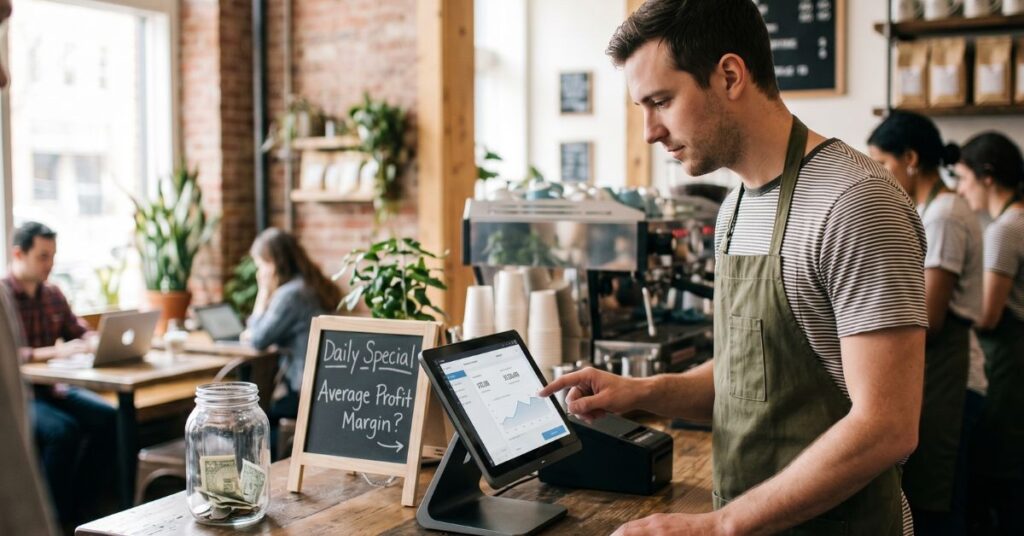
Barista using a tablet at coffee shop counter.
Blogs

What is the Average Profit Margin for Coffee Shops

What is the Average Profit Margin for Coffee Shops? Let’s be real, most of us have sat in a sun-drenched corner of our favorite café. Watching the barista pull a perfect shot, and thought, “I could definitely do this.” There’s a certain romance to the clinking of ceramic and the constant hum of a morning rush, but eventually, the daydream hits the reality of the “open” sign. I’ve always been genuinely curious: once you factor in the premium beans, the high-end oat milk, and the rent for that prime storefront, how much of that $6 latte actually stays in the register? Is the coffee business a hidden gold mine or a high-stakes labor of love? Let’s peel back the curtain and see what the profit margins really look like when the foam settles. Understanding Profit Margins Profit margin is a financial metric that shows the percentage of revenue that exceeds total costs. In a coffee shop, this is calculated by taking the net income and dividing it by total revenue, then multiplying by 100. For instance, if a coffee shop makes $100,000 in sales and has $80,000 in expenses, the profit margin is 20%. This figure is essential because it indicates how effectively the shop is operating and managing expenses. Average Profit Margins in the Coffee Industry Profit margins can vary widely in the coffee shop sector. On average, coffee shops see a profit margin ranging from 10% to 20%. This range is contingent upon several factors, including location, operating costs, and the type of services offered. Shops offering a wider range of products, such as pastries and sandwiches, may experience higher margins. However, it’s important to note that various factors influence these numbers. Bookkeeping practices, pricing strategies, and customer demand all play critical roles. Factors Impacting Profit Margins Understanding the various elements that impact coffee shop profits can help in strategizing for growth: Location: A high-traffic area may have higher sales but also come with higher rent, which can reduce profit margins. Product Pricing: Setting competitive yet profitable prices can align with customer expectations and maximize revenue. Operational Efficiency: Streamlined processes and effective staff training can lower overhead costs, boosting margins. Supply Costs: The cost of ingredients, such as coffee beans, milk, and syrups, directly affects the overall profitability. Common Misconceptions About Profit Margins Many potential coffee shop owners mistakenly believe that high sales automatically translate to profitability. This is not always the case. A common mistake is underestimating cost of operation. For instance, factors like waste management, utilities, and equipment maintenance can significantly decline profits. Additionally, fluctuations in coffee prices can impact the bottom line, making it important to budget for these changes. How to Improve Profit Margins Enhancing profit margins requires a diverse approach. Here are some strategies coffee shop owners can adopt: Menu Optimization: Regularly analyze the menu and eliminate low-performing items. Focus on high-margin products that attract customers. Cost Control: Monitor ingredient costs and negotiate with suppliers for better rates. Implement inventory management to reduce waste. Customer Engagement: Building a strong relationship with customers that can foster loyalty, resulting in repeat business and referrals. Staff Training: Train employees on upselling techniques. Encouraging them to offer additional items can boost overall sales. Comparing Profit Margins Not all coffee shops operate under the same model, and margins can differ based on the type of establishment: Conclusion The average profit margin for coffee shops typically ranges from 10% to 20%, depending on various factors, including location, cost control, and efficiency. A strategic approach can hugely impact a coffee shop’s profitability. For those looking to enter this industry, focusing on great operation and customer engagement will increase long-term success. Start by analyzing your potential shop and its unique market conditions, then use targeted strategies to increase profit margins effectively.

Barista checking sales data on a tablet.
Blogs

How Profitable Are Coffee Shops

How Profitable are Coffee Shops? There’s nothing quite like walking into your favorite local spot. The familiar hiss of the espresso machine, the smell of freshly roasted beans, and that perfect, cozy vibe. But lately, every time I hand over my card for my morning cortado and look around at the packed tables, I can’t help but wonder about the math happening behind the counter. Are these cafes actually making a killing, or are they just scraping by on high-margin lattes? Whether you’re daydreaming about opening your own place someday or you’re just curious about the business side of your daily caffeine fix, it’s a fascinating question. Let’s grab a cup and take a look at what it actually takes to keep a coffee shop in the green. Startup Costs and Initial Investment Starting a coffee shop comes with significant startup costs. These include expenses such as renting a commercial space, equipment purchases (espresso machines, grinders, brewing equipment), and renovations. Depending on the location and size, initial investments can range from $80,000 to $300,000 or more. Understanding your local market is key; high-traffic areas may demand higher rent but could lead to increased foot traffic and sales. One common mistake new owners make is underestimating these initial costs. It’s important to create a detailed budget that covers not just equipment, but also workspace setup, inventory, furnishings, and a marketing strategy to build your brand presence. This comprehensive planning can significantly prevent unexpected expenses down the line. Revenue Streams in Coffee Shops To measure profitability, consider the various revenue streams available. Beyond selling coffee, many shops diversify offerings to enhance revenue. This includes: Food Items: Pastries, sandwiches, and salads can attract a larger customer base. Merchandise: Coffee beans, branded mugs, and brewing equipment can provide additional income. Events and Classes: Hosting coffee-tasting events or brewing classes creates community engagement and brings in extra cash. Statistics show that coffee sales typically account for about 60% of total revenue, while food and additional items can significantly boost profits. The key is to find a balance; offering too much can overcrowd your menu and confuse customers, while too little can limit earnings potential. Operating Costs and Expenses On the other side of the equation are operating costs, which significantly influence profitability. Major expenses in running a coffee shop include: Regularly reviewing these expenses helps the owners see areas for cost-cutting without lessening the quality. For example, suppliers with better prices or better inventory management can lower food waste, impacting your overall financial health. Understanding Profit Margins Profit margins in the coffee industry vary widely, but on average, coffee shops can expect a profit margin ranging from 10% to 20%. This percentage can depend on several factors, including location, customer base, and business model. Higher profit margins might come from specialty shops that can charge premium prices for unique blends or artisanal offerings. On the contrary, high-volume chains may sustain lower margins due to volume sales rather than premium pricing. Common Mistakes That Impact Profitability Many coffee shop owners fail to recognize the mistakes that can significantly affect profitability: Addressing these traps requires continuous learning and adaptation. Regularly assessing customer feedback and financial reports can pinpoint problem areas and allow for timely interventions. Which Business Model is Best? Choosing the right business model significantly influences a coffee shop’s profitability. Here are the primary types: The decision ultimately hinges on personal goals, investment capabilities, and market conditions in a desired location. For individuals seeking higher returns against a lower investment, a mobile cart might be appealing, while others might prefer the brand support of a franchise model. Final Thoughts: Can You Make Money in Coffee? The coffee shop business can be profitable, but understanding the nuances of startup costs, operating expenses, profit margins, and business models is needed for success. By being strategic and proactive in planning and management, coffee shop owners can navigate the challenges of the industry effectively. For those considering entering the coffee business, the first step should always be to conduct thorough research and create a sustainable business plan that addresses both the financial and customer experience aspects. Testing your idea with smaller-scale operations or consulting with experienced entrepreneurs can provide valuable insights before making a significant investment. In summary, coffee shops can indeed be profitable provided the right strategies and management are in place. Don’t rush into ownership; take the time to learn, adjust, and ultimately serve your community while ensuring your financial success.

Quiet empty coffee shop
Blogs

Why Do Coffee Shops Fail?

At first, everything looks promising. A new coffee shop opens with a beautiful space, the smell of fresh coffee in the air, and a steady stream of curious customers. It feels like it has all the ingredients to succeed. Then, a few months later, it’s gone. This pattern is more common than most people realize. Many coffee shops don’t make it past their early years, and the reasons are rarely simple. It’s usually a mix of small missteps that build over time. Understanding where things go wrong is the first step to avoiding the same outcome. Lack of Solid Business Planning Passion for coffee is a great starting point, but it is not enough to run a sustainable business. One of the most common issues is launching without a clear plan. A strong business plan should outline your target market, pricing strategy, operating costs, and realistic revenue expectations. Without it, decisions tend to be reactive instead of intentional. Many new owners assume that a great product will naturally attract customers. In reality, even excellent coffee struggles without structure behind it. Where It Breaks Down Financial planning is often where things fall apart. Startup costs are frequently underestimated, especially when it comes to rent, equipment, staffing, and daily operations. When the numbers are off, cash flow becomes a problem very quickly. A clear financial roadmap does not guarantee success, but it gives you a much better chance of staying afloat when challenges come up. Choosing the Wrong Location Location can quietly determine whether a coffee shop survives or struggles. A high-traffic area increases visibility and brings in walk-in customers. Places near offices, schools, or busy streets naturally create more opportunities for sales. On the other hand, a shop tucked away in a low-traffic area has to work much harder just to be noticed. The Trade-Off Better locations usually come with higher rent, which can put pressure on a new business. Cheaper spaces may reduce costs, but they often limit your exposure. The challenge is finding a balance between affordability and visibility. A great product cannot make up for a location where no one passes by. Not Understanding the Target Market A coffee shop cannot appeal to everyone, and trying to do so often leads to a diluted experience. Successful coffee shops are clear about who they serve. A café near a university will have very different priorities than one in a business district. Pricing, menu design, seating, and even opening hours should reflect that audience. A Common Misstep Many owners design their shop based on personal preference instead of customer demand. This can lead to menu items that do not sell or an environment that does not match what people are looking for. Paying attention to customer behavior and feedback helps you adjust before small issues turn into larger problems. Inconsistent Quality and Service Consistency is what builds trust. Customers expect their coffee to taste the same every time they order it. When quality varies, even slightly, it creates doubt. The same goes for service. A great experience one day and a poor one the next makes it hard for customers to rely on your shop. The Reality Behind It Staffing plays a major role here. Hiring and training skilled baristas takes time, and high turnover can make consistency difficult to maintain. Without proper training, small mistakes add up, from incorrect orders to slow service. Investing in your team and setting clear standards is one of the most effective ways to create a dependable customer experience. Weak or Inconsistent Marketing Even a well-run coffee shop can struggle if people do not know it exists. Marketing is not just about posting occasionally on social media. It requires consistency, clear messaging, and a genuine connection with your audience. Shops that fail to build visibility often rely too heavily on word of mouth, which can be slow and unpredictable. Where Many Shops Fall Short Some owners recognize the importance of marketing but do not execute it effectively. Inactive social media pages, unclear branding, or lack of promotions can make a business easy to overlook. Simple efforts done consistently can make a difference. Regular updates, engaging content, and local partnerships help keep your shop visible and relevant. Poor Inventory and Supply Management Behind the scenes, operations matter just as much as customer experience. Running out of popular items frustrates customers, while overstocking leads to waste and unnecessary expenses. Both issues affect profitability and day-to-day operations. Finding the Balance Good inventory management requires tracking what sells and adjusting orders accordingly. Strong relationships with suppliers also help maintain quality and consistency. There is often a trade-off between cost and quality. Lower-cost ingredients may protect margins in the short term but can affect the overall experience. Higher-quality sourcing may cost more but often leads to better customer satisfaction and repeat business. Final Thoughts Coffee shops rarely fail because of one major mistake. It is usually a combination of small issues that go unaddressed over time. Lack of planning, poor location, unclear targeting, inconsistent quality, weak marketing, and operational inefficiencies all contribute to the outcome. The good news is that each of these areas can be improved with the right approach. For anyone starting or running a coffee shop, the goal is not perfection but awareness. When you understand where businesses tend to struggle, you can make better decisions early on. A successful coffee shop is built intentionally. It grows through careful planning, consistent execution, and a willingness to adapt when things are not working.

Cozy coffee shop interior with barista and customers enjoying a warm atmosphere
Blogs

What Makes a Coffee Shop Successful

Walk into a great coffee shop and you notice it instantly. The smell of freshly brewed coffee hits you before you even step fully inside. The space feels warm and inviting. Someone behind the counter greets you like they actually mean it. You glance at the menu and find yourself genuinely interested in what’s on offer. It’s the kind of place that makes you want to stay awhile. Now picture the opposite. A shop that feels cold, a menu that doesn’t excite you, staff who seem distracted or indifferent. You probably wouldn’t stay long, and you likely wouldn’t come back. The difference between those two experiences isn’t accidental. Successful coffee shops are built on a combination of thoughtful decisions that shape how customers feel, what they order, and whether they return. Knowing Your Customers At the core of any successful coffee shop is a clear understanding of who it serves. This affects everything, from the drinks you offer to the way your space is designed. If your customers are mostly students, they will value comfortable seating, reliable Wi-Fi, and a calm environment. If you are catering to busy professionals, speed and consistency matter more than anything else. One of the biggest mistakes coffee shop owners make is guessing instead of asking. Skipping market research often leads to mismatched offerings. Simple steps like talking to customers, running surveys, or observing buying habits can reveal what people actually want. When you understand your audience, it becomes much easier to create an experience that keeps them coming back. Coffee Quality and Menu Variety Great coffee is non-negotiable. Customers can tell the difference between average and exceptional, and that difference often determines whether they return. That starts with sourcing quality beans and extends to how they are brewed. Consistency matters just as much as quality. People come back for drinks they can rely on. Beyond coffee, a well-rounded menu helps attract a wider range of customers. Teas, pastries, and light meals can make your shop more versatile. But more options also mean more complexity. A menu that is too large can create problems with inventory, waste, and operations. The goal is balance. You want enough variety to appeal to different tastes without overcomplicating your workflow. Tracking what sells and what does not helps you refine your offerings over time. Atmosphere and Location A coffee shop’s atmosphere plays a huge role in how people experience it. Comfortable seating, thoughtful design, and even background music all influence whether someone stays for five minutes or an hour. Location matters too. A shop in a busy area naturally gets more foot traffic, which increases the chances of spontaneous visits. But a good location alone is not enough. If the space does not feel welcoming, people will not stick around. First impressions matter, and the environment you create should match the expectations of your customers. Service That Feels Genuine Customer service is often what turns a one-time visitor into a regular. Your staff should do more than just make drinks. They should know the menu, offer suggestions, and create a positive interaction. A friendly, engaged barista can completely change how someone feels about your shop. Many coffee shops focus heavily on technical training but overlook people skills. That is a mistake. Warm, genuine interactions are what customers remember most. Regular training and feedback help maintain high standards, but it is the human connection that really sets a place apart. Marketing That Actually Works Even the best coffee shop will not thrive if people do not know it exists. Social media is one of the easiest ways to stay visible. Sharing daily specials, showcasing your space, and interacting with customers keeps your brand top of mind. Collaborations with local businesses or small events can also bring in new faces. Loyalty programs are another simple but effective tool. They give customers a reason to come back and help build a sense of community. That said, many shops underestimate the importance of having a solid online presence. An updated website, a clear menu, and accurate business information make it easier for new customers to find and choose you. Common Mistakes to Avoid Some issues can quietly hold a coffee shop back. Neglecting maintenance is one of them. A space that feels worn or unclean quickly turns customers away. Keeping your shop clean and well-maintained is not optional. It is expected. Financial mismanagement is another common problem. Without careful tracking and realistic planning, even a busy shop can struggle. And perhaps most importantly, ignoring customer feedback can damage long-term growth. Listening to your customers and acting on what you hear builds trust and loyalty over time. Final Thoughts A successful coffee shop is not built on one thing. It is the result of many elements working together. Understanding your customers, serving quality products, creating a welcoming space, and delivering great service all play a role. The most successful shops do not stay static. They pay attention, adapt, and improve over time. If you are running or planning to open a coffee shop, start by looking at these core areas. Small, thoughtful changes can make a big difference in how people experience your space and whether they come back.

Espresso served in a heart-shaped cup amidst a bed of coffee beans, showcasing rich coffee aroma and style
Blogs

Will Coffee Increase Blood Pressure

Does Coffee Raise Blood Pressure? Coffee is part of daily life for millions of people. Whether it’s a morning habit or an afternoon boost, it plays a consistent role in how many people function and feel. At the same time, questions about its impact on health continue to surface, especially when it comes to blood pressure. If you’ve ever wondered whether coffee is helping or harming your heart, you’re not alone. The relationship between caffeine and blood pressure is more nuanced than it seems, and understanding it can help you make more informed decisions about your intake. How Caffeine Affects Blood Pressure Caffeine is a natural stimulant that affects the central nervous system. After consumption, it increases adrenaline levels, which can cause your heart to beat faster and your blood vessels to narrow slightly. This leads to a temporary rise in blood pressure. For most people, the increase is short-lived and not dangerous. However, responses to caffeine vary depending on several factors: Because of this variability, the same cup of coffee can affect individuals differently. How Much Coffee Raises Blood Pressure? The amount of coffee you drink plays a key role in how it affects your body. Studies suggest that moderate coffee consumption, typically defined as 3 to 4 cups per day, does not cause long-term increases in blood pressure for most healthy adults. However, people who are more sensitive to caffeine may notice a spike even after one cup. Caffeine content also varies depending on the type of coffee: Portion size and preparation method can significantly influence how much caffeine you actually consume. Why Coffee Affects People Differently Not everyone processes caffeine the same way. One major factor is genetics, particularly variations in the CYP1A2 gene, which controls how quickly caffeine is metabolized. This explains why some people can drink multiple cups a day without issue, while others feel jittery or notice a rise in blood pressure after a single serving. Short-Term Spikes vs Long-Term Effects It is important to separate short-term effects from long-term outcomes. In the short term, caffeine can cause a temporary increase in blood pressure. This typically occurs within 30 minutes and may last a few hours. Over time, regular coffee drinkers often develop a tolerance to caffeine. As a result, the impact on blood pressure becomes less pronounced. Long-term research suggests that moderate coffee consumption may even be associated with certain health benefits, including: According to the American Heart Association, moderate coffee intake is generally considered safe for most people and does not appear to significantly increase long-term blood pressure risk. Is Decaf Coffee Better for Blood Pressure? If you are concerned about caffeine, decaffeinated coffee can be a practical alternative. Decaf contains only a small amount of caffeine, usually around 2 to 5 milligrams per cup. This makes it much less likely to cause a rise in blood pressure. At the same time, decaf still contains beneficial compounds such as antioxidants, which contribute to overall health. For people who enjoy the taste and ritual of coffee but want to reduce caffeine intake, it can be a useful option. Common Myths About Coffee and Blood Pressure There are several misconceptions that can lead to confusion: Myth: Coffee causes long-term high blood pressureFor most people, moderate coffee intake does not lead to chronic hypertension. Myth: All coffee affects the body the same wayCaffeine sensitivity varies widely, so individual responses differ. Myth: Certain types of coffee are inherently saferThe effect on blood pressure depends more on caffeine content and quantity than the type of coffee itself. Best Practices for Drinking Coffee If you want to enjoy coffee while keeping your blood pressure in check, a few practical habits can help: These small adjustments can make a noticeable difference over time. Conclusion Coffee can cause a temporary increase in blood pressure, but for most people, it does not lead to long-term problems when consumed in moderation. Individual response plays a major role, so awareness of your own tolerance is essential. If you have existing blood pressure concerns, adjusting your intake or switching to decaf may help you find the right balance. Coffee does not have to be eliminated from a healthy lifestyle. With a thoughtful approach, it can remain an enjoyable and manageable part of your daily routine.  

Discover the best coffee shops across Pampanga. From cozy cafes to modern roasteries, find your perfect cup of coffee.

Quick Links

For Businesses

© 2026 Coffee Shops in Pampanga. All rights reserved.

Scroll to Top