
Blogs

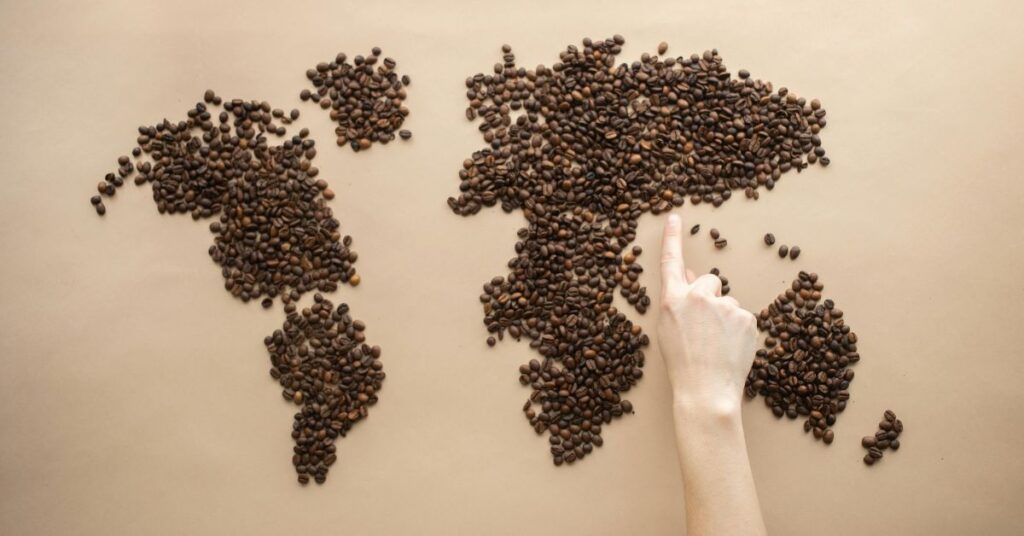
Crop person pointing at world map of coffee beans
Blogs

Which Country Makes the Best Coffee in the World and Why?

There is no single “best” coffee country. The answer depends on what you value: bean quality, flavor profile, or coffee culture. Ethiopia and Colombia excel in beans, Italy and Australia in preparation, and Vietnam in bold, unique flavor experiences. Ask ten coffee lovers which country makes the best coffee in the world, and you will likely get ten different answers. Not because people are confused, but because coffee itself is deeply personal. It is shaped by taste, culture, and even memory. Some people chase the smooth, balanced notes of South American beans. Others swear by the intensity of Vietnamese brews or the precision of Australian café culture. And then there are those who argue the question itself misses the point entirely. The truth sits somewhere in between. There is no universal winner, but there are clear reasons why certain countries keep coming up in the conversation. To understand what “best coffee” really means, you have to look beyond a single cup and explore the layers behind it. What “Best Coffee” Actually Means Before comparing countries, it helps to define what people are really judging. When people talk about the “best coffee,” they are usually referring to one of three things: The disagreement often comes from mixing these categories together. A country might produce incredible beans but not have the strongest café culture, or vice versa. Countries Known for Exceptional Coffee Beans Ethiopia: The Origin of Coffee Ethiopia is often considered the birthplace of coffee, and for good reason. The country has an unmatched diversity of coffee plant varieties, which leads to incredibly complex flavor profiles. Expect bright acidity, floral aromas, and fruity notes that are difficult to replicate elsewhere. For many enthusiasts, Ethiopian coffee represents coffee in its purest form. Colombia: Balance and Consistency Colombia has built a global reputation for producing well-balanced coffee. Its beans are known for their smoothness, medium body, and approachable flavor. What sets Colombia apart is consistency. Even at scale, the country produces coffee that is reliably good, making it a benchmark for quality worldwide. Kenya and Guatemala: Complexity and Character Kenyan coffee is often described as vibrant and layered, with wine-like acidity and sweetness. Guatemala, on the other hand, produces smooth, rich coffee with chocolatey undertones. Both countries appeal to drinkers who want something more nuanced than a standard cup. Countries That Excel in Coffee Culture Italy: The Foundation of Espresso Italy transformed coffee into a ritual. Espresso, cappuccino, and latte culture all trace back to Italian cafés. What stands out is consistency. Whether you are at a train station or a small neighborhood bar, the coffee is usually well-made. However, some argue that Italy focuses more on tradition than innovation, sticking to darker roasts and classic methods. Australia: Precision and High Standards Australia frequently comes up as a top contender, not because it grows coffee, but because of how seriously it treats it. Independent cafés dominate the scene, and competition is intense. Baristas are highly skilled, and quality is expected rather than optional. Drinks like the flat white highlight a focus on balance and craftsmanship. The result is a country where getting a bad cup of coffee is surprisingly rare. Portugal and Southern Europe: Unexpected Excellence Some travelers point to Portugal as a hidden gem for espresso. Despite lower prices, the quality can rival Italy. Across much of Southern Europe, similar equipment and beans are used, but subtle differences in preparation and water can create noticeably better results in certain regions. Countries with Unique Coffee Experiences Vietnam: Bold, Strong, and Unforgettable Vietnamese coffee stands out immediately. It is strong, intense, and often paired with sweetened condensed milk, creating a rich contrast of flavors. Drinks like egg coffee add another layer of uniqueness, blending coffee with a creamy, dessert-like topping. For many, Vietnamese coffee is not an everyday drink but an experience. It is powerful enough to change how you think about coffee entirely. India: Deep, Rich Filter Coffee South Indian filter coffee offers a completely different profile. It is typically brewed strong and mixed with milk and sugar, creating a comforting and full-bodied drink. It may not always be part of global “best coffee” lists, but those who try it often remember it. The Role of Freshness and Supply Chains One overlooked factor is freshness. Even the best beans can lose their quality if they are not handled properly. Countries with strong coffee cultures often have better access to freshly roasted beans and faster supply chains. This means the average cup is simply better, regardless of where the beans were grown. This is one reason why places like Australia and New Zealand stand out. They combine high-quality imports with excellent roasting and brewing practices. Why There Is No Single Winner The most consistent takeaway is this: Taste is subjective. Some people prefer bright, fruity coffees. Others want deep, chocolatey flavors. Some care about the ritual of espresso, while others just want a strong, energizing cup. Even within a single country, quality can vary dramatically. You can find exceptional coffee almost anywhere, just as you can find disappointing cups in places famous for it. So, Which Country Makes the Best Coffee? If you are looking for a clear answer, here is the most honest breakdown: But if you are looking for the real answer, it is simpler than that. The best coffee in the world is the one that matches your taste, brewed well, and enjoyed in the right moment. Final Thoughts Coffee is not just a product of geography. It is the result of climate, culture, craftsmanship, and personal preference all coming together in a single cup. Instead of chasing the “best country,” it is more rewarding to explore different styles and find what resonates with you. Try an Ethiopian pour-over, an Italian espresso, a Vietnamese iced coffee, or an Australian flat white. Each one tells a different story. And somewhere along the way, you will discover your own definition of the best coffee in the world.
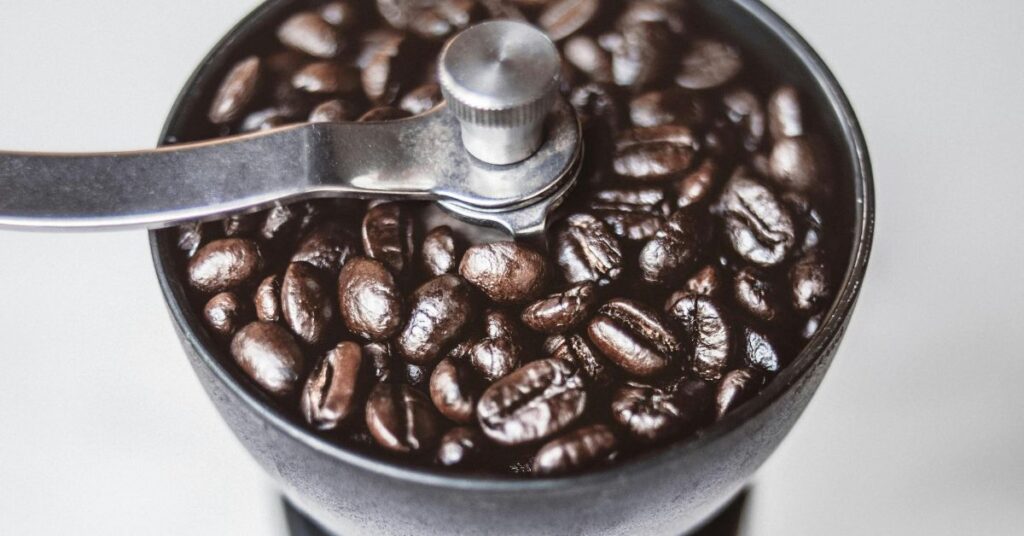
Coffee Beans in Coffee Grinder
Blogs

How to Clean a Coffee Grinder: Keep Your Beans Tasting Fresh

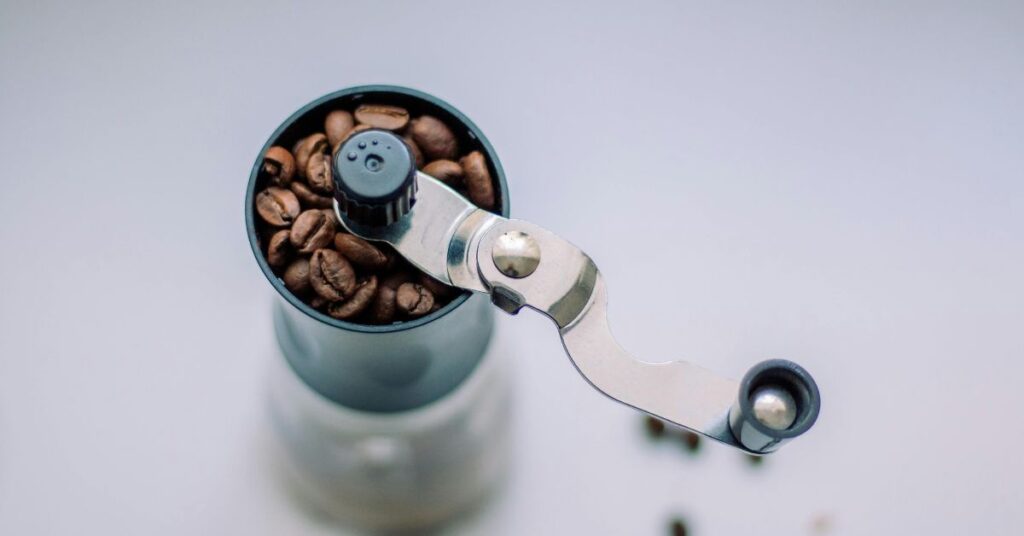
If you are serious about coffee, you know the grinder is just as important as the beans. A clean grinder makes a huge difference: every cup tastes brighter, fresher, and more consistent. Yet, cleaning can feel like a chore. Tiny grooves, stubborn oil buildup, and leftover grounds everywhere make it tricky. The good news is that maintaining your grinder does not have to be complicated. Whether you are using a Capresso Infinity, a Baratza, or a humble hand grinder, there are simple and effective ways to keep it in top shape. From brushing and vacuuming to using cleaning tablets, the right routine will save you time, protect your grinder, and make every cup better. Quick, consistent care is better than occasional deep cleaning. Stick with dry methods, avoid water on the burrs, and your grinder will reward you with better flavor and longer life. Vacuum, Brush, or Cleaning Tablets: What Works Best? 1. The Brush and Vacuum Method This is the bread and butter for regular cleaning: It is fast, easy, and keeps high-retention grinders consistent. Many coffee enthusiasts swear by this method for weekly maintenance. 2. Cleaning Tablets For those oils that brushes cannot reach: These are best for dark or oily beans and occasional deep cleans. Monthly is usually enough. 3. Full Disassembly and Deep Cleaning Every few months, or if your grinder has not been cleaned in a while: This keeps your grinder performing like new, especially if you brew frequently. 4. Alternative Tricks Some people use unconventional methods such as grinding rice or bread to absorb oils. These can work but may leave residue. Compressed air can help but risks pushing fine grounds into hidden areas. Water should be avoided inside the burrs. Simple Cleaning Routine That Works Here is a routine that balances effort with effectiveness: Consistency beats overcomplicated methods. A few minutes of maintenance each week keeps your grinder and your coffee happy. Final Thoughts You do not need to fear cleaning your grinder. With a simple, repeatable routine, you can enjoy fresher, tastier coffee every day. Brush, vacuum, and occasionally use cleaning tablets. Your grinder will reward you with years of flavorful cups.

Coffee Grinder with Coffee Beans Close-up
Blogs

How to Choose a Coffee Grinder for Espresso

The right grinder is essential for espresso. Choose a burr grinder with consistent grind size, precise adjustability, low retention, and solid build quality. Avoid blade grinders, match your grinder to your budget and experience level, and focus on consistency over brand name. If you’ve ever pulled a shot of espresso that tasted flat, sour, or bitter, there’s a good chance your grinder, not your machine, is the problem. It is one of the most overlooked pieces of coffee gear, yet it has more impact on your espresso than almost anything else. Choosing the right coffee grinder for espresso is not just about picking a popular brand or the most expensive model. It is about understanding how grind consistency, adjustability, and build quality directly affect your shot. Why Your Grinder Matters More Than You Think Espresso is unforgiving. Unlike drip coffee or French press, it requires a very specific grind size: fine, consistent, and precisely adjustable. A poor grinder produces uneven particles (called fines and boulders), which leads to: A good espresso grinder gives you control. Control is everything in espresso. Burr Grinder vs Blade Grinder If you are serious about espresso, skip blade grinders entirely. Blade Grinders Burr Grinders There are two types of burr grinders: Flat Burrs Conical Burrs For most people, either works well as long as the grinder is built for espresso. Stepped vs Stepless Adjustment One of the biggest differences between espresso grinders is how they adjust grind size. Stepped Grinders Stepless Grinders If you want better control over your shots, stepless is worth it. Stepped grinders with very fine increments can still perform well. Grind Consistency Consistency is what separates average grinders from great ones. A high-quality grinder will: This directly impacts extraction time, flavor balance, and crema quality. If your espresso tastes different every time, inconsistency is usually the culprit. Dose Control and Retention Two often overlooked factors: Low Retention Retention refers to how much coffee gets stuck inside the grinder. Dosing Options If you value precision, look for grinders designed for single dosing. Build Quality and Durability Espresso grinding is demanding. Cheap grinders struggle with: Look for: A well-built grinder does not just last longer, it performs better. Manual vs Electric Espresso Grinders Manual Grinders Downside: Grinding for espresso takes effort. Electric Grinders If you make espresso regularly, electric is usually the better investment. Budget Guide Espresso grinders are not cheap, but quality matters. Match your grinder to your espresso machine to avoid limiting your results. Common Mistakes to Avoid Before you buy, watch out for these: How to Choose the Right Grinder Ask yourself: Recommended Grinder Brands for Beginners and Home Baristas If you are just starting out with grinding your own beans, it helps to focus on reliable brands that offer good build quality, consistency, and ease of maintenance. Here are some widely recommended options across different price ranges: 1. Baratza 2. 1Zpresso 3. Kingrinder 4. Turin Tips When Choosing a Grinder With regular maintenance, such as brushing after use and occasional deep cleaning, these grinders can last for many years while delivering consistent results. Final Thoughts A great espresso grinder is the foundation of good espresso. You can have an expensive machine, fresh beans, and perfect technique, but without a proper grinder, your shots will fall short. Choose a grinder that gives you control, consistency, and room to grow. Once you have that, everything else in your espresso setup starts to make sense. FAQs Can I use a regular coffee grinder for espresso? Only if it is a burr grinder specifically capable of fine, consistent espresso grind sizes. Most “regular” grinders fall short. How fine should espresso grind be? It should feel like fine table salt, but exact size depends on your machine and beans. Dialing in is key. Is a more expensive grinder always better? Not always, but in espresso, higher cost usually means better consistency, durability, and control.

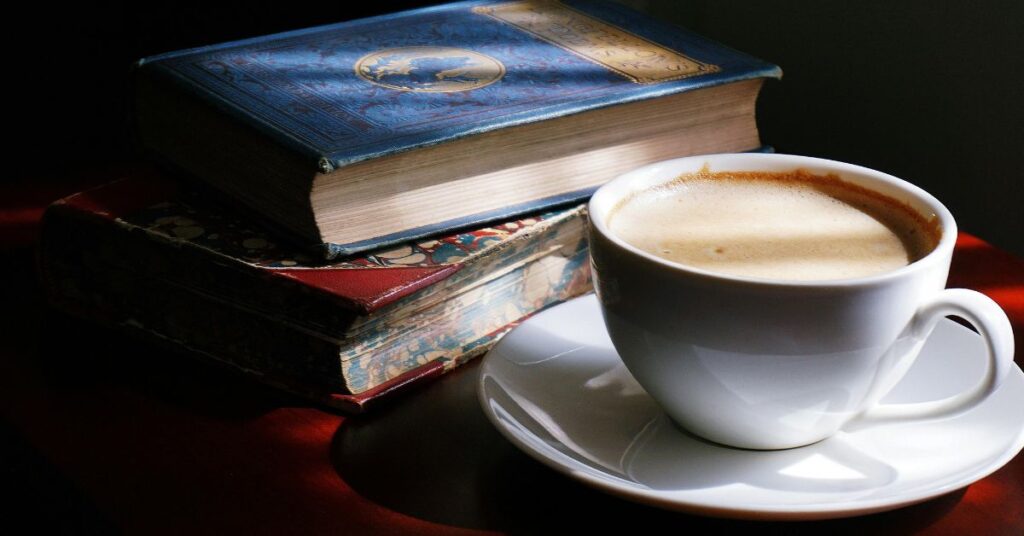
White Teacup with coffee And Saucer Beside Books
Blogs

History and Origin of Coffee: From Ancient Legends to a Global Ritual

Coffee started a long, long time ago in a place called Ethiopia, when a goat herder noticed his goats got super energetic after eating some red berries. People got curious, tried the berries, and eventually turned them into a drink to help them stay awake. The drink became popular in places like Yemen and the Middle East, where people gathered in coffeehouses to talk, share ideas, and spend time together. Later, coffee spread to Europe, where it became a big part of daily life and culture. As more people wanted coffee, it was grown in many countries around the world, especially in warm places near the equator. Today, coffee is one of the most popular drinks everywhere. So basically, coffee went from a strange berry in the wild to a drink that people all over the world enjoy and share with others every day. Coffee is so deeply woven into modern life that it’s easy to forget it began as something far more mysterious. It started as a wild plant discovered in a remote corner of the world, surrounded by myth, trade, and cultural transformation. To understand coffee today, you have to go back to where it all started: the highlands of East Africa, where its story is equal parts legend and history. The Ethiopian Legend: Where Coffee’s Story Begins Most accounts trace coffee’s origin to Ethiopia, specifically the region known as Kaffa. According to a widely told legend, a goat herder named Kaldi noticed something unusual about his animals. After eating bright red berries from a certain tree, his goats became unusually energetic, almost restless. Curious, Kaldi tried the berries himself and experienced a similar boost in alertness. Word spread and eventually reached local monks, who began experimenting with the berries. Initially, they are said to have brewed them into a drink to help stay awake during long hours of prayer. While this story is difficult to verify, it captures something essential. Coffee was not discovered in a lab or designed with intention. It was stumbled upon, observed, and slowly understood. From Ethiopia to Yemen: The Birth of Coffee as a Beverage Coffee’s transition from wild plant to cultivated drink happened across the Red Sea in Yemen. By the 15th century, coffee was being grown and traded systematically in the Arabian Peninsula. This is where the beverage as we know it truly took shape. In Yemen, coffee beans were roasted, ground, and brewed into a drink called qahwa. It quickly became popular in Sufi communities, where it was used to maintain focus during spiritual rituals and night-long devotions. The port city of Mocha became a major hub for coffee trade. For centuries, it was the primary gateway through which coffee entered the wider world. The term “mocha” still lingers today, though its meaning has evolved. At this stage, coffee was more than a stimulant. It was tied to spirituality, discipline, and community. Coffee Spreads Across the Middle East From Yemen, coffee moved into major cities across the Middle East, including Mecca, Cairo, and Constantinople. By the 16th century, coffeehouses, known as qahveh khaneh, began appearing throughout the region. These spaces were unlike anything seen before. They were not just places to drink coffee. They became social and intellectual centers where people gathered to discuss politics, philosophy, literature, and daily life. In many ways, early coffeehouses functioned as the original public forums. They allowed ideas to circulate more freely than ever before. Not everyone welcomed this change. Authorities in some regions attempted to ban coffee, fearing it encouraged dissent and social unrest. These bans rarely lasted. Coffee had already taken hold. Arrival in Europe: Suspicion and Obsession Coffee reached Europe in the 17th century, carried by traders and travelers returning from the Middle East. At first, it was met with suspicion. Some critics labeled it the “bitter invention of Satan,” largely because of its association with Islamic culture. There were calls to ban it, especially in parts of Italy. The tide shifted when Pope Clement VIII reportedly tasted coffee and approved it, effectively neutralizing religious opposition. Once accepted, coffee spread rapidly across the continent. Coffeehouses opened in cities like London, Paris, and Vienna. In England, they became known as “penny universities.” For the price of a cup, people could engage in stimulating conversation and gain access to news and ideas. In France, coffeehouses attracted philosophers and intellectuals. In Vienna, they became known for their refined culture and pastry pairings. Europe did not just adopt coffee. It reshaped its social identity around it. Colonial Expansion and the Global Coffee Trade As demand for coffee grew in Europe, colonial powers sought to cultivate it in their overseas territories. This marked a major turning point in coffee’s history. The Dutch were among the first to successfully transport coffee plants out of the Arabian Peninsula. They established plantations in Southeast Asia, particularly in Java, which quickly became synonymous with coffee. Soon after, coffee cultivation spread to the Caribbean, Central America, and South America. The French introduced coffee to the Caribbean islands, while the Portuguese expanded production in Brazil. Brazil would eventually become the largest coffee producer in the world, a position it still holds today. However, this expansion came at a cost. Much of the early coffee industry relied heavily on enslaved labor and exploitative systems. The global coffee trade, while economically powerful, is deeply tied to colonial histories that still shape the industry today. Coffee in the Modern World By the 19th and 20th centuries, coffee had fully transitioned into a global commodity. Advances in transportation, roasting, and packaging made it more accessible than ever. Instant coffee emerged in the early 20th century, offering convenience at the cost of flavor. Later, the rise of specialty coffee shifted the focus back to quality, origin, and craft. Today, coffee is grown in what is known as the “Coffee Belt,” a region spanning the equator that includes parts of Africa, Latin America, and Asia. Each region produces beans with distinct flavor profiles, influenced by climate,

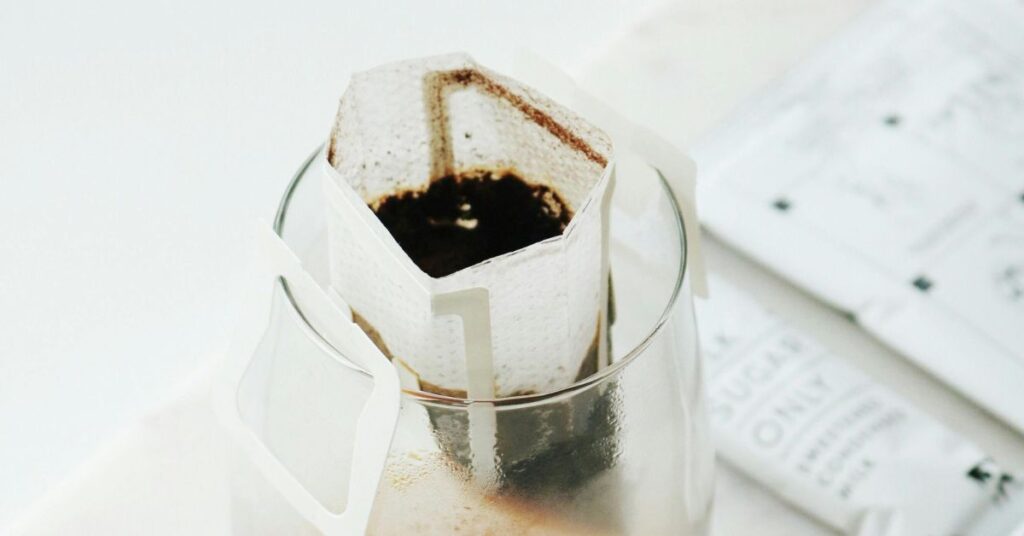
Tea Bag in Clear Glass Cup
Blogs

Coffee Like Tea Bags: Do Coffee Bags Actually Work or Just Sound Good?

If you have ever made tea, you have probably wondered why coffee is not just as simple. Drop a bag in hot water, wait a few minutes, and you are done. No grinder, no filter, no machine. Easy. So naturally, the question comes up: why are there no coffee tea bags, or if they exist, why are they not everywhere? Coffee tea bags do exist, but they are not very popular because they often taste weaker or stale compared to freshly brewed coffee. The main reasons are freshness, grind size, and how coffee extracts differently than tea. That said, newer versions and specialty brands are improving the experience, especially for travel and convenience. Do Coffee Tea Bags Actually Exist? Short answer, yes, they do. Coffee bags, sometimes called “coffee tea bags” or “steeped coffee,” are essentially small sachets filled with ground coffee. You steep them in hot water just like tea. No equipment needed beyond a cup and hot water. They are not a new idea either. Versions of these have been around for years, especially in: You can even find DIY options where people fill empty tea bags with their own ground coffee. So if they exist, why are they not the standard way to make coffee? The Big Problem: Coffee Is Not Tea At first glance, coffee and tea seem similar. Both are steeped in hot water. Both can come in loose form or bags. But the way they extract flavor is very different. Tea is made from leaves. It releases flavor quickly and evenly with simple steeping. Coffee, on the other hand, comes from roasted beans and needs more precise extraction to taste good. This creates a few key challenges for coffee bags: 1. Coffee Needs More Grounds To make a proper cup of coffee, you need a relatively large amount of grounds. A standard ratio is about 1:15 to 1:17 coffee to water. That means around 15 grams of coffee for a normal cup. That is much more than what fits comfortably in a typical tea bag. So coffee bags either: 2. Extraction Is Harder to Control Good coffee depends on: Tea bags are simple because tea is forgiving. Coffee is not. When you trap coffee in a bag, you limit how water flows through the grounds. This can lead to under-extraction, which tastes weak or sour, or uneven extraction, which just tastes off. 3. Freshness Matters More One of the biggest complaints about coffee bags is that they taste stale. Fresh coffee is best when: Coffee bags are pre-ground and sealed, sometimes for long periods. Even with good packaging, coffee loses aroma and flavor over time. This is why many people describe coffee bags as tasting flat or lifeless compared to freshly brewed coffee. Why People Say Coffee Bags Taste Bad If you look at real-world experiences, the feedback is mixed but often leans negative. Common complaints include: Some people even say they are worse than instant coffee, which says a lot. That said, not everyone hates them. Some users find them “fine” or even enjoyable, especially when: So it is not that coffee bags are always bad. It is that they are inconsistent. When Coffee Bags Actually Make Sense Even with their limitations, coffee tea bags do have a place. In fact, they can be surprisingly useful in certain situations. Travel and Hotels If you have ever stayed in a hotel with terrible coffee, you already understand the appeal. Coffee bags can be a simple upgrade when all you have is a kettle. Camping and Backpacking When you want to keep things lightweight and simple, coffee bags are convenient. No need to pack a French press or pour-over setup. Office or Work Settings In places where you do not have proper coffee equipment, coffee bags can be a quick and mess-free option. In these situations, convenience often matters more than perfection. Better Alternatives to Coffee Tea Bags Because of the limitations of coffee bags, several alternatives have become more popular. 1. Instant Coffee (But Better) Modern instant coffee has improved a lot. Some brands use freeze-dried methods that preserve flavor surprisingly well. It is still not the same as fresh coffee, but it is often more consistent than coffee bags. 2. Single-Serve Pour-Over Bags These are not tea bags, but they solve the same problem. They sit on top of your cup and allow you to pour hot water through the grounds, similar to a pour-over brew. This gives better extraction and a cleaner taste. They are especially popular in Japan and are becoming more common worldwide. 3. Portable Brewing Gear Simple tools like: offer much better coffee quality with minimal effort. Can You Make Your Own Coffee Bags? Yes, and many people do. A simple method is: For best results: This will not match a proper brew, but it can be a fun experiment and works in a pinch. Are Coffee Bags Getting Better? The good news is that newer versions are improving. Some companies are focusing on: These newer “steeped coffee” products are often described as decent, sometimes even surprisingly good. Not amazing, but good enough for convenience. There is also a growing trend of premium single-serve coffee products, especially in Asia, where convenience and quality are both prioritized. So Why Are Coffee Tea Bags Not More Popular? It comes down to three simple reasons: In other words, the idea is great, but the execution has limits. The Bottom Line Coffee tea bags are one of those ideas that sound perfect in theory. Just add hot water and enjoy. In reality, they sit somewhere between convenience and compromise. They do exist, and they can be useful for travel, camping, or quick fixes. But for everyday coffee, most people prefer methods that deliver better flavor and freshness. If you are curious, they are worth trying at least once. Just go in with the right expectations. Think of them as a backup plan, not a replacement for your favorite brew. At the end

Closeup of a bunch of coffee beans
Blogs

How Much Caffeine Is in a Coffee Bean?

Coffee lovers, this one is for you. We all know that coffee gives us that magical morning boost, but have you ever wondered how much caffeine is actually in a single coffee bean? Understanding the caffeine content in coffee beans can help you choose beans, brewing methods, and portion sizes that match your energy needs. What Determines Caffeine in a Coffee Bean Not all coffee beans are created equal. The caffeine content depends on several factors, including species, size, roast level, processing, and growing conditions. How Much Caffeine Is in a Single Coffee Bean Here is a practical breakdown: These numbers are approximate because the size of the bean, roast level, and even the origin can affect caffeine content. For perspective, an 8-ounce cup of brewed coffee contains roughly 80–100 mg of caffeine. That means it takes about 8–15 Arabica beans or 4–8 Robusta beans to equal a standard cup of coffee. Espresso Beans Versus Brewed Coffee Espresso beans are often blends of Arabica and Robusta. A single espresso shot uses about 7–9 grams of ground coffee, which is roughly 50–60 Arabica beans or 30–40 Robusta beans. Despite the small serving, espresso has a concentrated caffeine content, so a tiny cup can give the same caffeine boost as a full brewed coffee. Many people do not realize that while espresso tastes stronger, its total caffeine is similar to a standard brewed cup if measured per ounce. The small volume is what makes it feel more intense. How Roasting Affects Caffeine Roast level does not drastically change caffeine content by weight, but it can slightly impact the caffeine per bean. If you prefer dark roast for flavor, know that the caffeine difference is minor. Light roasts provide slightly more kick per bean, while dark roasts satisfy the taste buds. Caffeine in Different Coffee Bean Forms Caffeine content also varies depending on how you consume coffee beans: How Many Coffee Beans Equals a Cup of Coffee If you are curious how the beans translate to your daily cup: This is a fun way to visualize just how concentrated caffeine is in each bean compared to the beverage we drink. Tips for Managing Caffeine from Coffee Beans Fun Facts About Coffee Beans and Caffeine The Takeaway Coffee beans are tiny powerhouses of caffeine. A single Arabica bean has roughly 6–12 mg, while a Robusta bean has 12–20 mg. How many beans you use in a brew determines your caffeine intake, and roasting, bean type, and brewing method all play a role. By understanding how much caffeine is in a coffee bean, you can choose beans, roasts, and brewing methods that give you the perfect level of energy, flavor, and enjoyment. Coffee is more than a morning ritual, it is an experience, and now you know exactly what makes each sip energizing.

Girl Smiling While Holding Tea Cup
Blogs

At What Age Do Most Parents Let Kids Drink Coffee or Tea?

At some point, most parents get asked the same question: “Can I try your coffee?” or “Can I have tea too?” There’s no single right answer. It depends on your family, your culture, and how comfortable you are with caffeine. Some kids try tea very young, while coffee usually comes later. How Different Cultures Handle It In many households, especially in places like the UK or Ireland, tea is part of everyday life. It’s not unusual for kids to have weak, milky tea as toddlers. The same goes for countries like India or Bangladesh, where tea is a regular family drink and kids might have small sips early on. Coffee is a bit different. Because it’s stronger and more bitter, most parents wait longer. Some children get their first taste mixed with milk or sugar around age five or six, but it’s usually occasional and not a daily habit. What Health Experts Say Most doctors recommend being careful with caffeine. The American Academy of Pediatrics suggests: Caffeine can affect sleep, mood, and focus, especially in younger kids. That’s usually the biggest concern for parents. That said, some parents compare it to soda and think a small, controlled amount of coffee or tea may be the better option. When Kids Usually Start There’s a wide range, but here’s what tends to be common: Of course, some kids start earlier and some much later. It really varies. Why Parents Set Limits Most decisions come down to a few simple things: How Kids Usually Experience It For a lot of people, their first coffee or tea is tied to a memory, like sitting with family or feeling a bit more “grown up.” Some kids love it right away, especially sweet or milky versions. Others don’t really enjoy it until they’re older. Reactions to caffeine also vary. Some feel energized quickly, while others barely notice a difference. Tips for Parents If you’re thinking about letting your child try coffee or tea, keeping it simple helps: The Bottom Line There’s no perfect age to start. In many families, kids try tea early and coffee later. What matters most is moderation, timing, and paying attention to how your child responds. Handled thoughtfully, coffee and tea can just be another small part of growing up, not something that needs to be rushed.

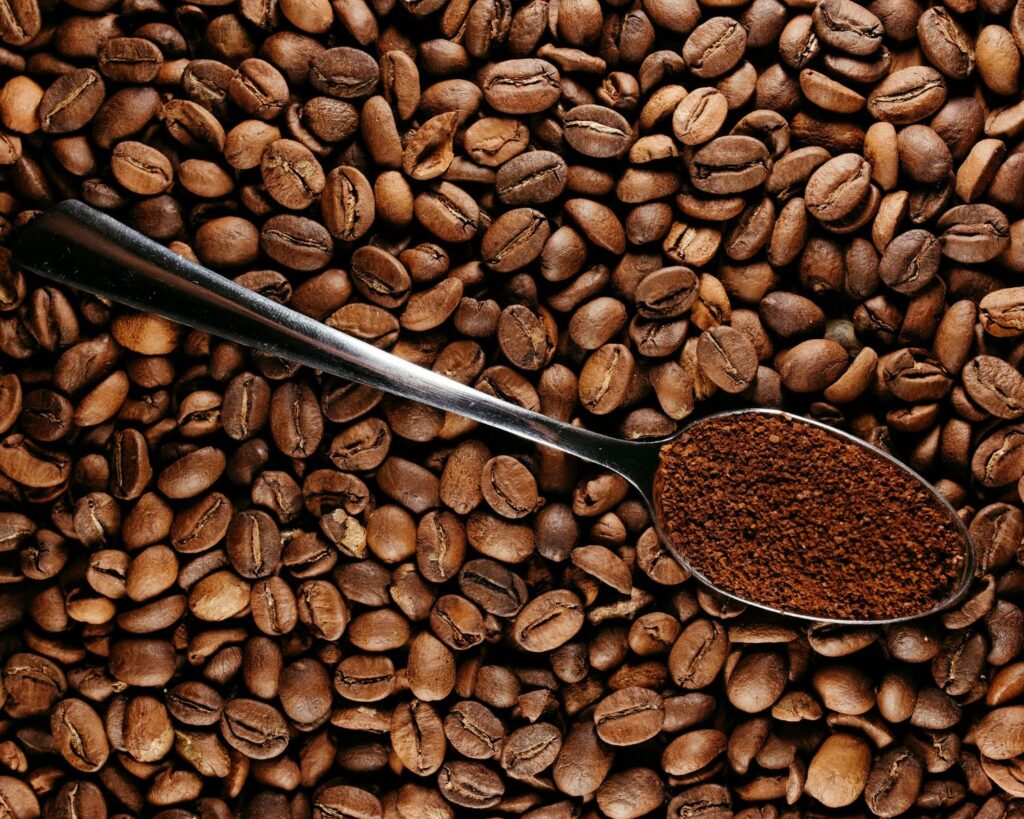
Coffee Beans with Spoon of Ground Coffee
Blogs

How Important is Coffee for Health?

Coffee. It’s one of the most popular drinks in the world, and for good reason. The smell alone can make a morning feel better, and for many, the first sip is a small ritual that signals the start of the day. But beyond the taste and the caffeine boost, how important is coffee for health? Can it really make a difference, or is it just another beverage people happen to enjoy? Let’s take a closer look. Coffee: A Morning Necessity or Just a Comfort? For some people, coffee is non-negotiable. It’s their wake-up call, the little push that helps them get out of bed and start the day. Some claim that missing their morning cup leaves them feeling sluggish, groggy, or even slightly irritable. Others can go without it entirely. They might enjoy coffee occasionally for taste or warmth but do not rely on it for energy. This shows that coffee’s importance is highly personal. What works for one person may be unnecessary for another. The key takeaway is that coffee is often as much about the experience as it is about the caffeine. Sitting down with a warm cup, taking a few quiet moments, or using it as a ritual to structure the morning can be just as beneficial as the drink itself. Benefits You Can Actually Feel While coffee may not be a cure-all, it does offer several perks that people notice in their daily lives. Here are some of the most common benefits: Possible Downsides to Keep in Mind Like anything, coffee is not without its downsides. It is important to be aware of them so you can enjoy coffee without unintended effects. Overall, coffee is a tool rather than a necessity. Understanding your limits and personal tolerance can help you enjoy it safely. Long-Term Benefits Beyond the immediate effects, regular coffee consumption may have benefits that show up over time: How Much Coffee is Healthy? While exact numbers vary depending on individual tolerance, a general guideline is that up to 400 mg of caffeine per day is considered safe for most adults. That is roughly equivalent to 3 to 4 cups of brewed coffee. Keeping within this range is usually enough to enjoy the benefits without major risks. If you are not used to coffee, starting small is best. A single cup in the morning can provide a noticeable boost without overwhelming your system. You can adjust gradually based on how your body reacts. Coffee for Energy Without Overdoing It Some people use coffee strategically, rather than as a habit. For example, drinking a cup before a workout or an important task can maximize the benefits of caffeine. Pairing coffee with a balanced diet, water, and small snacks can also help maintain energy levels without creating dependency. It’s also possible to enjoy the experience of coffee without relying on caffeine. Decaf options or small, occasional cups can provide comfort and routine while reducing potential downsides. Coffee Isn’t Essential for Health At the end of the day, coffee is not essential for health. People can thrive without it, and skipping coffee does not automatically reduce well-being. For some, coffee provides energy, focus, and comfort. For others, it is purely a pleasurable routine. What matters more than coffee is the bigger picture of daily habits. Sleep, movement, nutrition, and small rituals that make life enjoyable all contribute to overall health. Coffee can enhance these habits, but it is not the foundation of health. Tips for Enjoying Coffee in a Healthy Way The Takeaway Coffee is a versatile drink. It can provide energy, sharpen focus, and create a small but meaningful ritual in your day. It may even support long-term wellness in subtle ways, especially when consumed in moderation. However, coffee is not a requirement for good health. Some people drink it daily, some occasionally, and some not at all. The most important thing is balance and paying attention to what works for you. If you enjoy coffee, savor it. If you don’t, don’t worry. Health is about the overall routine, not a single beverage. For many, coffee is simply one of those small pleasures that make mornings a bit brighter.

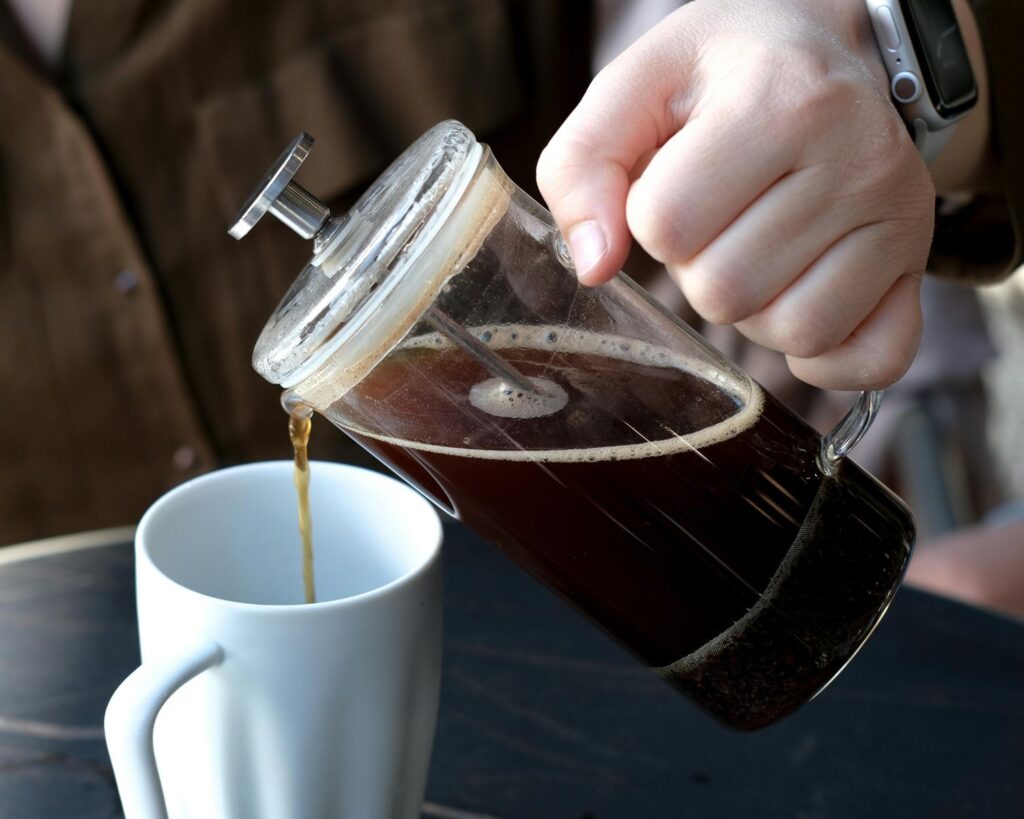
A Person's Hand Pouring Coffee into a White Cup
Blogs

Coffee for French Press: How to Brew the Perfect Cup at Home

For coffee lovers, the French press is more than just a brewing device. It’s a tool that unlocks bold, rich flavors and gives you complete control over every element of your cup. Unlike drip machines or single-serve brewers, the French press allows you to experiment with beans, grind size, water temperature, and steeping time, making it ideal for those who want a truly hands-on experience. Making French press coffee the right way can feel intimidating if you’re new to it. From selecting the right beans to finding the perfect water-to-coffee ratio, small differences in technique can drastically affect the taste. Why French Press Coffee Stands Out French press coffee is distinct because it is an immersion brew. The coffee grounds are fully submerged in water during steeping, which allows for maximum extraction of oils and flavors. Unlike drip coffee, which passes through a paper filter that traps oils, a French press produces a thicker, richer cup. French press coffee is prized for: The tradeoff is that French press coffee requires attention and care. The brewing process is hands-on, and small variations can influence the flavor. Choosing the Right Coffee Bean The foundation of great French press coffee is the beans. To maximize flavor: High-quality beans are far more important than fancy gadgets or complex brewing methods. Proper Coffee-to-Water Ratio Getting the ratio right is key. Too little coffee produces a weak cup; too much can make it bitter. A reliable starting point is: Some people prefer slightly more coffee or a longer steeping time depending on taste. For example, 6 tablespoons and a five-minute steep in an insulated French press can produce a stronger, hotter cup. Consistency is essential, so using a kitchen scale to measure coffee can help achieve the same flavor every time. Step-by-Step Brewing Instructions Follow these steps for a rich, smooth cup: 1. Preheat your French press and cup Fill the press and cup with hot water, then discard. Preheating keeps your coffee at the right temperature throughout brewing. 2. Add coarsely ground coffee Use the amount appropriate for your press size. 3. Heat water to just below boiling Let boiling water sit for 30 seconds before pouring. Water that is too hot can scald the grounds and create bitterness. Aim for around 200°F (93°C). 4. Bloom the coffee Pour a small amount of water over the grounds to allow them to bloom. Let it sit for 30–45 seconds. Blooming releases CO2 and enhances flavor. 5. Add remaining water and stir gently Stir to ensure all grounds are evenly saturated. 6. Steep for 4 minutes Place the lid on the French press, but do not plunge yet. Steeping time affects extraction; four minutes is a standard starting point. 7. Plunge slowly Press the plunger down steadily. A fast plunge can agitate the grounds too much and create sediment. 8. Pour immediately Transfer the coffee to a pre-warmed cup to prevent over-extraction. Add milk, sugar, or spices as desired. For an even smoother cup, allow the grounds to settle for a few minutes after plunging and skim off any foam before pouring. Tips for the Best French Press Coffee To consistently improve your French press experience: Small tweaks in your method can make a noticeable difference in taste and texture. Common Mistakes to Avoid Even experienced coffee drinkers can make simple errors that affect flavor: Paying attention to these details ensures a consistently excellent brew. Experimenting and Fine-Tuning French press coffee encourages experimentation. Try adjusting: Keep notes on each batch of coffee to track which beans, ratios, and steeping times produce your favorite results. Over time, you’ll develop a personal formula for the perfect cup. Why French Press Coffee Is Worth It French press coffee delivers: While it requires more attention than a drip machine, the results are extraordinary. Once you master French press brewing, it’s easy to achieve a café-quality cup at home. Final Thoughts French press coffee is about more than caffeine. It’s about flavor, aroma, and the ritual of brewing. With freshly roasted beans, a coarse grind, proper water temperature, and careful steeping, you can brew coffee that rivals your favorite café. Start with the recommended ratios and steeping times, then experiment to match your personal taste. Once perfected, the French press can deliver rich, aromatic, and satisfying coffee every morning, making it a favorite among coffee enthusiasts around the world.

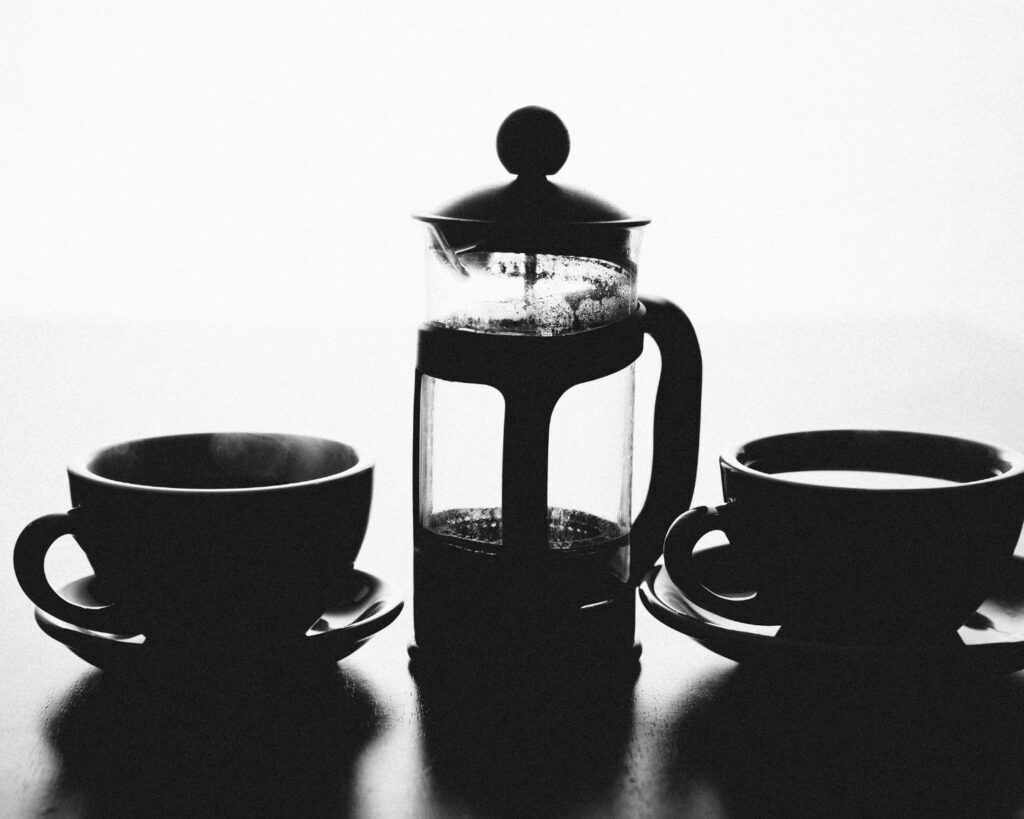
French press and two cups of coffee
Blogs

Compare Coffee Brewing Methods: Pour-Over vs French Press (And Which One Is Easier?)

At some point, most coffee drinkers start to wonder if their daily cup could taste a little better. Not more complicated or expensive, just better. That’s when the questions start to come up: is it worth switching to a French press or pour-over, or is a basic drip machine good enough? The truth is, there’s no single “best” way to brew coffee. What works well for one person might not fit someone else’s routine, taste preferences, or patience in the morning. We’ll compare three of the most common brewing methods: French press, pour-over, and drip, and look at what really matters: which one is easiest to use, and which one actually makes better coffee. French Press: Rich Flavor, More Effort The French press has a reputation for producing bold, full-bodied coffee, and that reputation is well earned. What it’s like to use Using a French press is simple in theory: But in practice, many users describe it as something closer to a craft than a routine. Small variables like steep time, grind size, and water temperature can dramatically change the result. What people like about it If you enjoy bold and heavy coffee, this method delivers. Downsides Bottom line French press works well if you care about flavor and do not mind a bit of effort. It rewards attention but can be unforgiving if rushed. Pour-Over: Clean Taste, Hands-On Brewing Pour-over sits between manual brewing and precision coffee making. It is often chosen by people who enjoy the process itself. What it’s like to use Pour-over involves: Control is the defining feature. You decide how fast to pour, how evenly to saturate the grounds, and how long the process takes. What people like about it Many people who struggle with French press move to pour-over for more control. Downsides Bottom line Pour-over is ideal if you enjoy a hands-on process and prefer a clean, nuanced cup. Drip Coffee Maker: Convenience First If French press feels like a craft and pour-over feels like a ritual, drip coffee is all about practicality. What it’s like to use That is all it takes. What people like about it Many people emphasize that drip coffee is perfectly good if you use quality beans. In fact, bean quality often matters more than the brewing method. Downsides Bottom line Drip coffee is the easiest option. It works best for busy routines and low effort mornings. What About Cold Brew? Cold brew often comes up as an alternative worth trying. Why people like it The trade-off Cold brew is not quick to prepare, but it can simplify your routine once ready. Which Coffee Method Is Easier? If ease is the main factor: Ease also includes consistency. Some people find drip machines easier because they deliver predictable results every time. Which One Makes Better Coffee? This is where personal preference matters most. Still, some general patterns stand out: Many experienced coffee drinkers eventually focus less on the method and more on bean quality and freshness. Freshly ground beans often make a bigger difference than switching brewing styles. Key Factors That Matter More Than Method Across all methods, a few variables consistently matter: 1. Bean quality Better beans lead to better coffee 2. Grind size 3. Water temperature Incorrect temperature can affect extraction and taste 4. Brew time Especially important for immersion methods like French press Mastering these basics can improve your coffee more than changing equipment. Final Verdict: What Should You Choose? If you are just starting out: If you want better flavor without too much effort: If you enjoy precision and process: If you want smooth, low-acid coffee and can plan ahead: A Simple Takeaway There is no single best method. The right choice depends on your taste and lifestyle. Some people want a quick cup before work. They can also make their coffee even without a machine. Others enjoy a slower, more deliberate process. Both approaches are valid. Improving your coffee is less about switching methods and more about paying attention to the details that actually affect taste. Ready to Improve Your Coffee? Start simple: You do not need expensive equipment or complicated techniques. A few small changes can make a noticeable difference in every cup.

Discover the best coffee shops across Pampanga. From cozy cafes to modern roasteries, find your perfect cup of coffee.

Quick Links

For Businesses

© 2026 Coffee Shops in Pampanga. All rights reserved.

Scroll to Top