
What Makes a Good Cup of Coffee
Imagine waking up to the rich aroma of freshly brewed coffee filling your kitchen. You pour it into your favorite mug, and with the first sip, warmth and comfort settle in. But when coffee falls short of that moment, it often raises a simple question: what actually makes a good cup of coffee?
For many, coffee is more than a drink. It is a daily ritual that shapes the start of the day. Understanding what influences flavor, aroma, and balance can help you consistently brew a cup that feels satisfying and intentional.
The Importance of Quality Coffee Beans
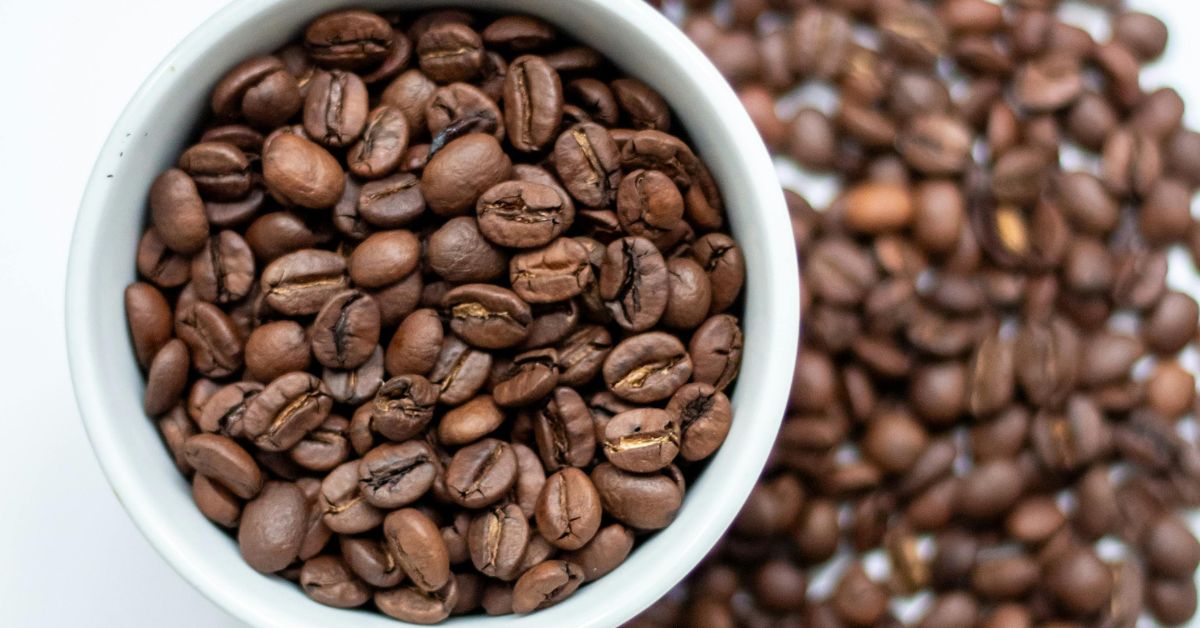
Everything starts with the beans. Coffee is the seed of the Coffea plant, and its final flavor depends heavily on variety, origin, and how it is processed and roasted.
Freshness is one of the most important factors. Coffee tastes best when it is freshly roasted and used within a couple of weeks. Pre-ground coffee loses its aroma quickly, which is why whole beans and grinding just before brewing make a noticeable difference.
Arabica beans are often preferred for their smooth, layered flavor, while Robusta tends to be stronger and more bitter. Origin also matters. Ethiopian coffees often carry floral or fruity notes, while Colombian beans are known for their balanced, nutty character.
Water Quality and Temperature Matter More Than You Think
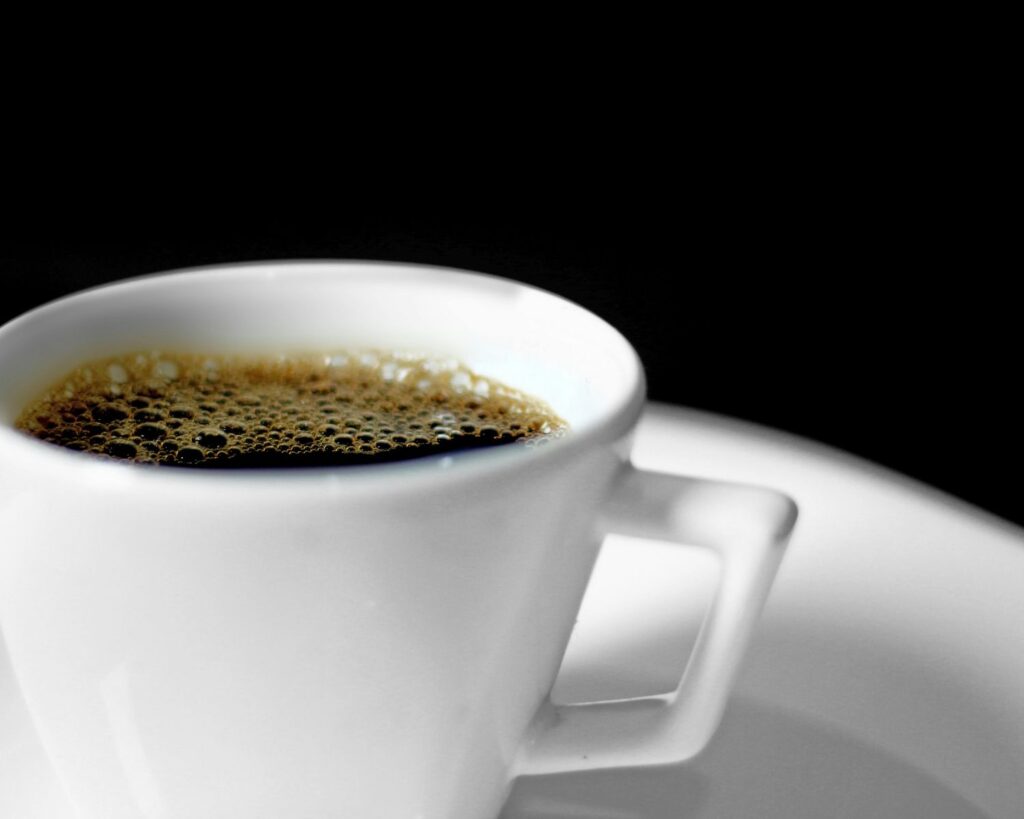
Since coffee is mostly water, the quality of what you use plays a major role in the final taste. Clean, filtered water helps avoid unwanted flavors that can interfere with the coffee itself.
Temperature is just as important. The ideal brewing range is between 195°F and 205°F (90°C to 96°C). Water that is too hot can create bitterness, while cooler water may leave the coffee under-extracted and weak.
A helpful starting point is a standard ratio of about 1 to 2 tablespoons of ground coffee per six ounces of water. From there, you can adjust based on personal preference.
Brewing Methods Shape the Final Flavor
Different brewing methods highlight different qualities in coffee, and each one creates a distinct experience.
Pour Over
Pour over brewing offers precision and clarity. Water flows slowly through the grounds, producing a clean and bright cup. It allows you to control the process more closely, especially with a steady, even pour.
French Press
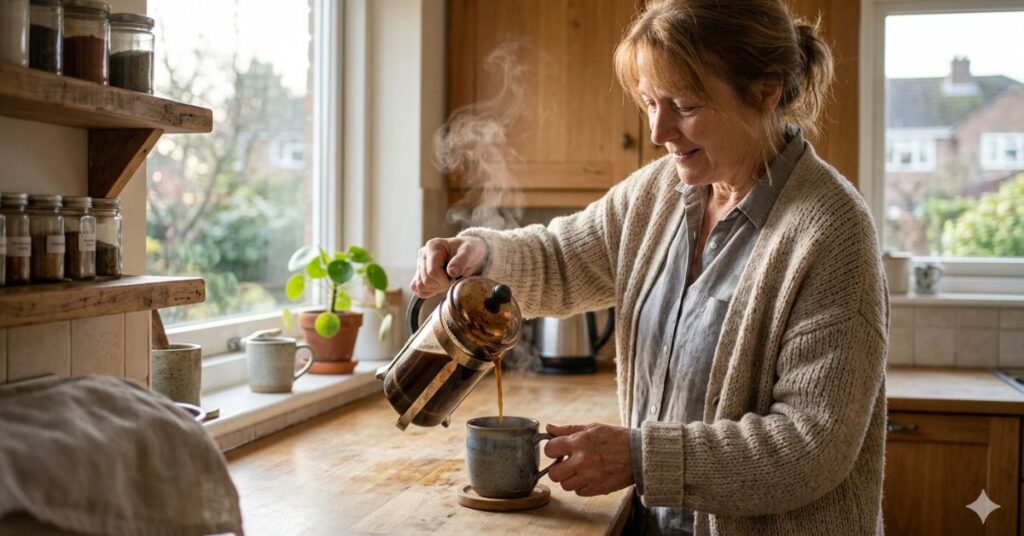
The French press creates a richer, fuller-bodied coffee. Since the grounds steep directly in water, more oils and flavors remain in the final cup. The result is bold, heavy, and satisfying.
Espresso
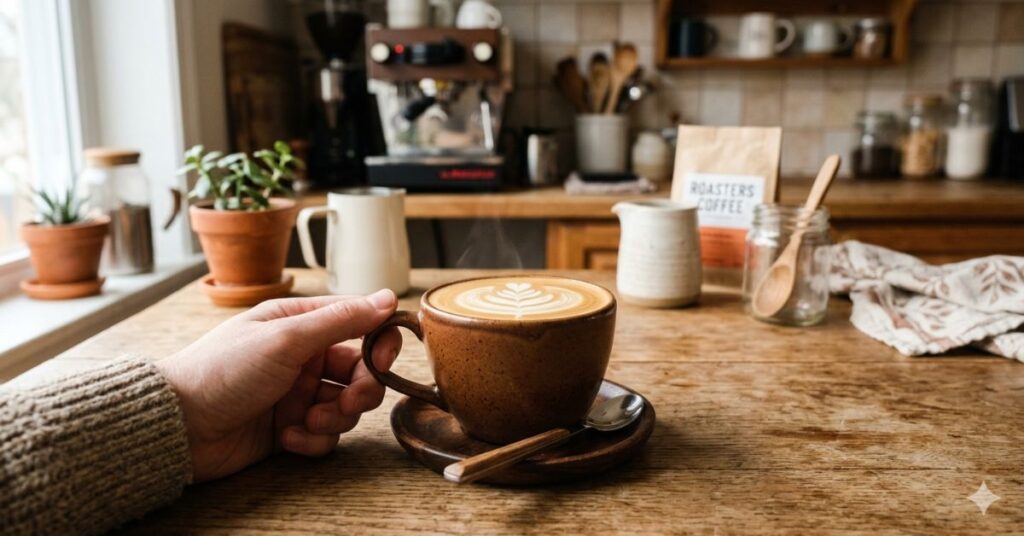
Espresso is concentrated and intense. It is brewed under pressure, extracting deep flavor in a short amount of time. A well-pulled shot is marked by a smooth, golden layer of crema on top and serves as the base for many coffee drinks.
Timing Makes a Noticeable Difference
Brewing time affects how coffee extracts its flavor. Too short, and it can taste sour or weak. Too long, and it becomes bitter.
Pour over typically takes 2 to 4 minutes, while French press requires around 4 minutes of steeping. Espresso is much faster, usually extracting in 25 to 30 seconds. Sticking close to these ranges helps maintain balance in the cup.
Finding the Right Coffee-to-Water Balance
The strength of your coffee often comes down to ratio. If it tastes too strong or bitter, increasing the water can help. If it feels too light, adding more coffee can deepen the flavor.
Small adjustments make a big difference, and over time, you will naturally develop a ratio that suits your taste.
Proper Storage Keeps Coffee Fresh
Coffee is sensitive to air, light, heat, and moisture. Storing beans in an airtight container in a cool, dark place helps preserve their freshness.
Avoid keeping coffee in the fridge, as temperature changes can introduce moisture and affect flavor. Buying smaller batches more frequently is one of the simplest ways to maintain quality.
Small Additions That Enhance the Experience
While many enjoy coffee black, additions can change the experience in subtle and enjoyable ways. Milk, plant-based alternatives, and cream can soften bitterness and add texture. Spices like cinnamon or a touch of honey can also introduce warmth and complexity.
Final Thoughts
A good cup of coffee is the result of thoughtful choices at every step, from the beans you select to how you brew and store them. There is no single correct way to enjoy it, only what tastes right to you.
With a bit of attention and experimentation, coffee becomes more than a routine. It becomes a craft you refine over time, one cup at a time.