

Which Country Makes the Best Coffee in the World and Why?
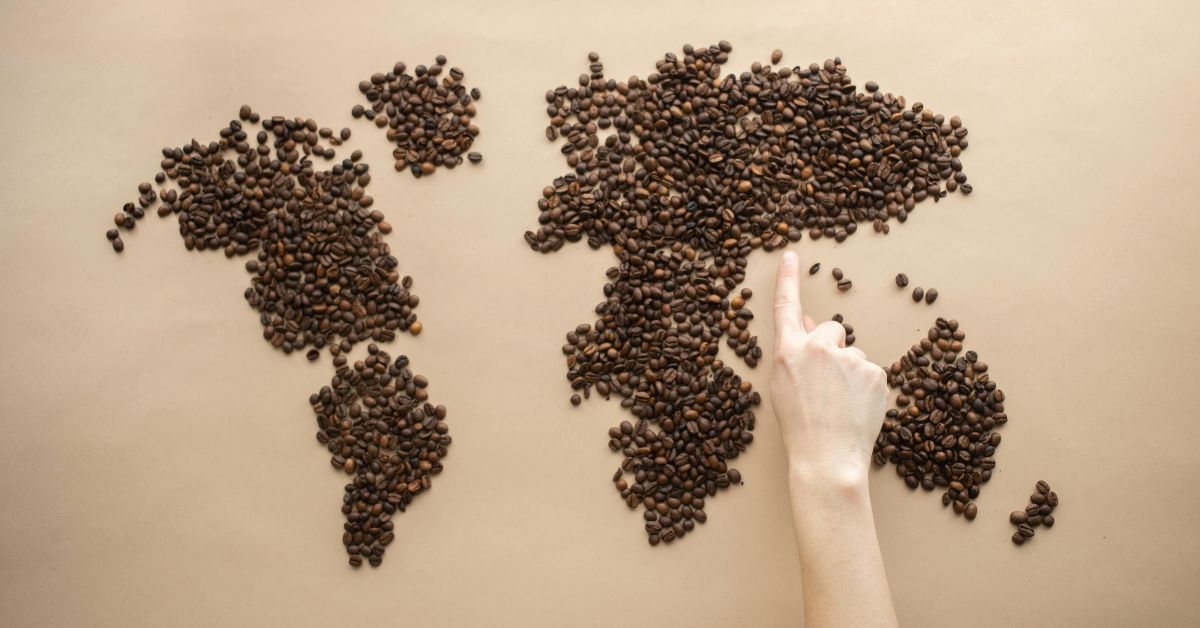
There is no single “best” coffee country. The answer depends on what you value: bean quality, flavor profile, or coffee culture. Ethiopia and Colombia excel in beans, Italy and Australia in preparation, and Vietnam in bold, unique flavor experiences.
Ask ten coffee lovers which country makes the best coffee in the world, and you will likely get ten different answers. Not because people are confused, but because coffee itself is deeply personal. It is shaped by taste, culture, and even memory.
Some people chase the smooth, balanced notes of South American beans. Others swear by the intensity of Vietnamese brews or the precision of Australian café culture. And then there are those who argue the question itself misses the point entirely.
The truth sits somewhere in between. There is no universal winner, but there are clear reasons why certain countries keep coming up in the conversation. To understand what “best coffee” really means, you have to look beyond a single cup and explore the layers behind it.
What “Best Coffee” Actually Means
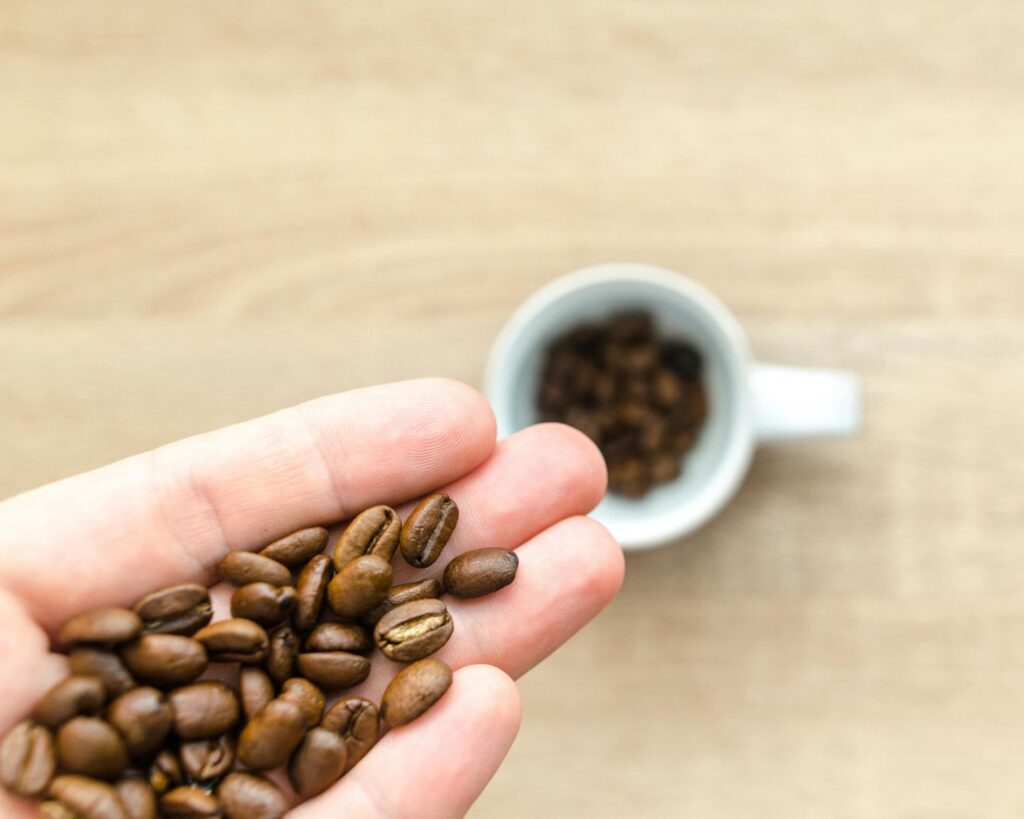
Before comparing countries, it helps to define what people are really judging. When people talk about the “best coffee,” they are usually referring to one of three things:
- Bean quality: Where and how the coffee is grown
- Preparation: How the coffee is brewed and served
- Coffee culture: The consistency and standards across a country
The disagreement often comes from mixing these categories together. A country might produce incredible beans but not have the strongest café culture, or vice versa.
Countries Known for Exceptional Coffee Beans
Ethiopia: The Origin of Coffee
Ethiopia is often considered the birthplace of coffee, and for good reason. The country has an unmatched diversity of coffee plant varieties, which leads to incredibly complex flavor profiles.
Expect bright acidity, floral aromas, and fruity notes that are difficult to replicate elsewhere. For many enthusiasts, Ethiopian coffee represents coffee in its purest form.
Colombia: Balance and Consistency
Colombia has built a global reputation for producing well-balanced coffee. Its beans are known for their smoothness, medium body, and approachable flavor.
What sets Colombia apart is consistency. Even at scale, the country produces coffee that is reliably good, making it a benchmark for quality worldwide.
Kenya and Guatemala: Complexity and Character
Kenyan coffee is often described as vibrant and layered, with wine-like acidity and sweetness. Guatemala, on the other hand, produces smooth, rich coffee with chocolatey undertones.
Both countries appeal to drinkers who want something more nuanced than a standard cup.
Countries That Excel in Coffee Culture
Italy: The Foundation of Espresso
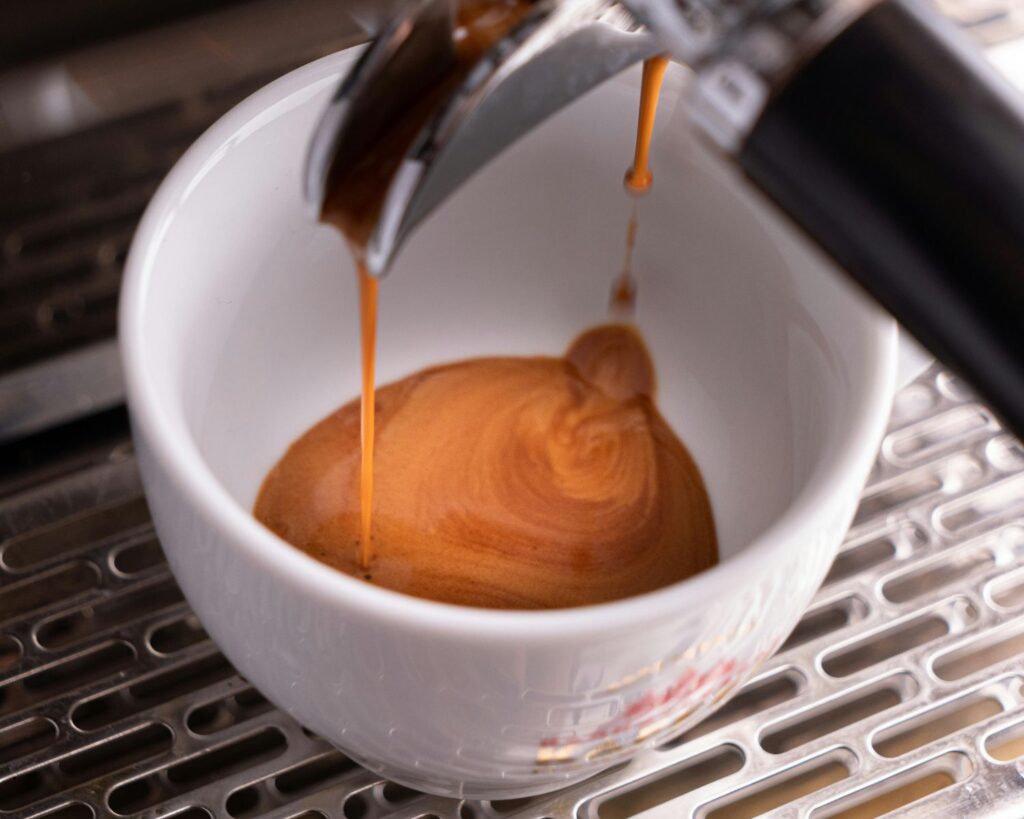
Italy transformed coffee into a ritual. Espresso, cappuccino, and latte culture all trace back to Italian cafés.
What stands out is consistency. Whether you are at a train station or a small neighborhood bar, the coffee is usually well-made. However, some argue that Italy focuses more on tradition than innovation, sticking to darker roasts and classic methods.
Australia: Precision and High Standards
Australia frequently comes up as a top contender, not because it grows coffee, but because of how seriously it treats it.
Independent cafés dominate the scene, and competition is intense. Baristas are highly skilled, and quality is expected rather than optional. Drinks like the flat white highlight a focus on balance and craftsmanship.
The result is a country where getting a bad cup of coffee is surprisingly rare.
Portugal and Southern Europe: Unexpected Excellence
Some travelers point to Portugal as a hidden gem for espresso. Despite lower prices, the quality can rival Italy.
Across much of Southern Europe, similar equipment and beans are used, but subtle differences in preparation and water can create noticeably better results in certain regions.
Countries with Unique Coffee Experiences
Vietnam: Bold, Strong, and Unforgettable
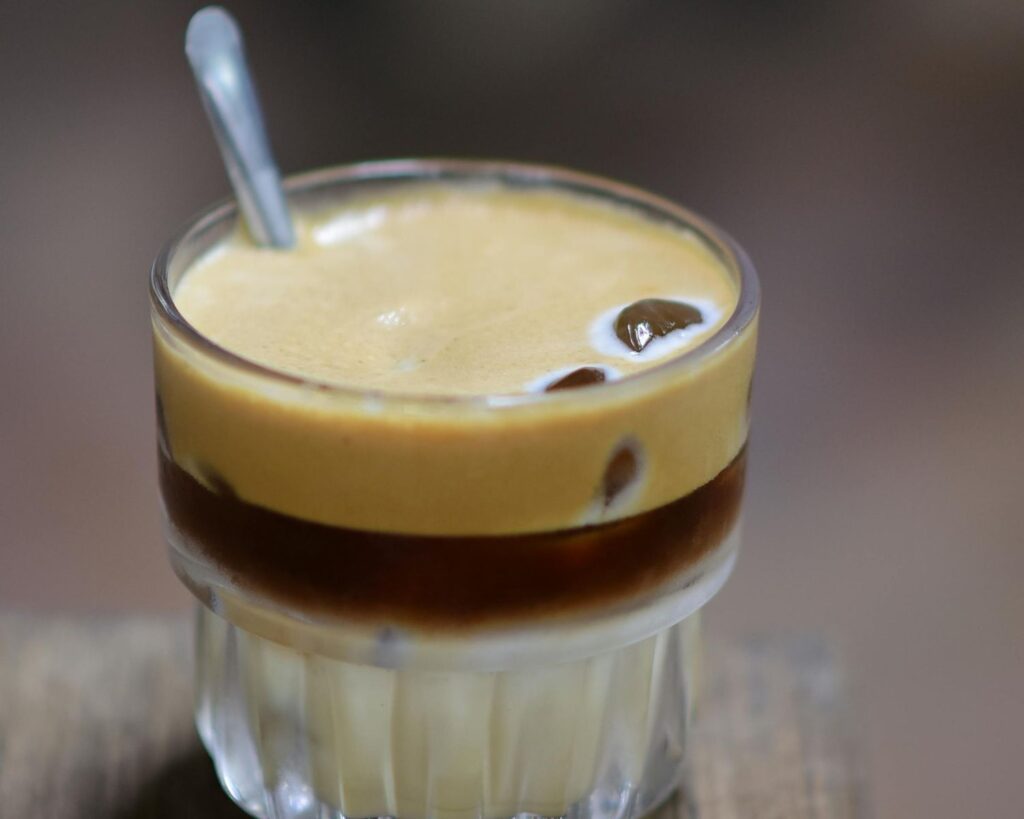
Vietnamese coffee stands out immediately. It is strong, intense, and often paired with sweetened condensed milk, creating a rich contrast of flavors.
Drinks like egg coffee add another layer of uniqueness, blending coffee with a creamy, dessert-like topping.
For many, Vietnamese coffee is not an everyday drink but an experience. It is powerful enough to change how you think about coffee entirely.
India: Deep, Rich Filter Coffee
South Indian filter coffee offers a completely different profile. It is typically brewed strong and mixed with milk and sugar, creating a comforting and full-bodied drink.
It may not always be part of global “best coffee” lists, but those who try it often remember it.
The Role of Freshness and Supply Chains
One overlooked factor is freshness. Even the best beans can lose their quality if they are not handled properly.
Countries with strong coffee cultures often have better access to freshly roasted beans and faster supply chains. This means the average cup is simply better, regardless of where the beans were grown.
This is one reason why places like Australia and New Zealand stand out. They combine high-quality imports with excellent roasting and brewing practices.
Why There Is No Single Winner
The most consistent takeaway is this:
Taste is subjective.
Some people prefer bright, fruity coffees. Others want deep, chocolatey flavors. Some care about the ritual of espresso, while others just want a strong, energizing cup.
Even within a single country, quality can vary dramatically. You can find exceptional coffee almost anywhere, just as you can find disappointing cups in places famous for it.
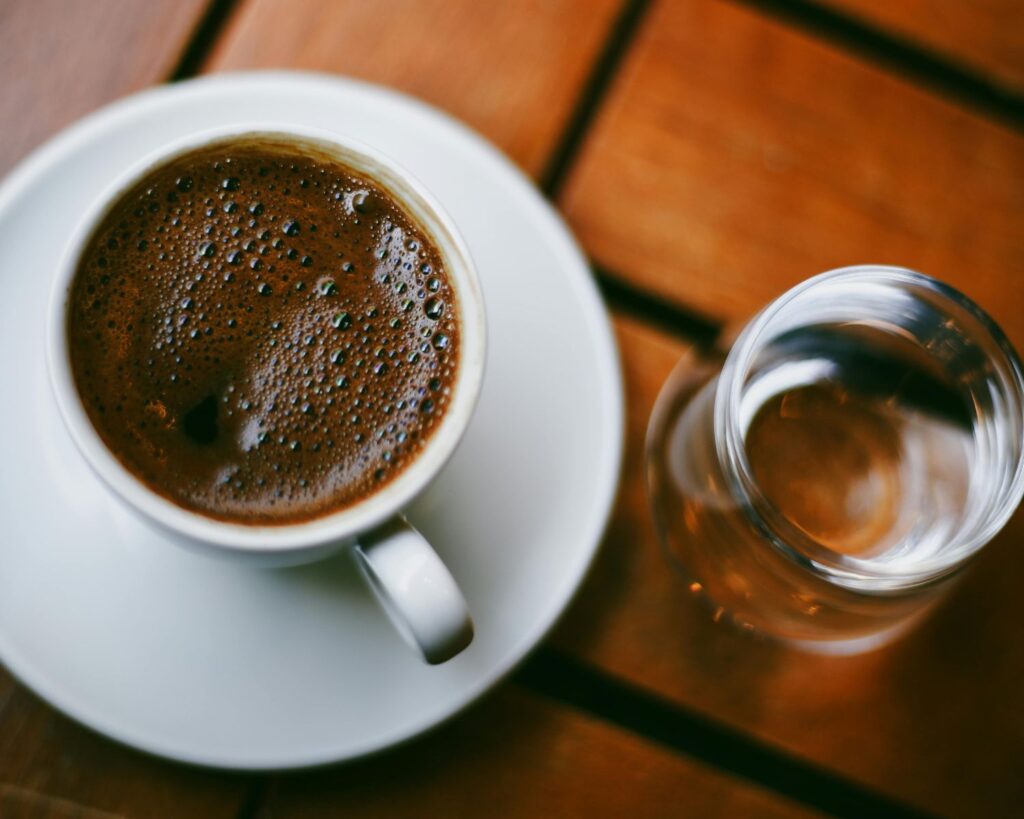
So, Which Country Makes the Best Coffee?
If you are looking for a clear answer, here is the most honest breakdown:
- Best coffee beans: Ethiopia, Colombia, Kenya
- Best coffee culture: Australia, Italy
- Most unique experience: Vietnam
- Most consistent global reputation: Colombia
But if you are looking for the real answer, it is simpler than that.
The best coffee in the world is the one that matches your taste, brewed well, and enjoyed in the right moment.
Final Thoughts
Coffee is not just a product of geography. It is the result of climate, culture, craftsmanship, and personal preference all coming together in a single cup.
Instead of chasing the “best country,” it is more rewarding to explore different styles and find what resonates with you. Try an Ethiopian pour-over, an Italian espresso, a Vietnamese iced coffee, or an Australian flat white.
Each one tells a different story.
And somewhere along the way, you will discover your own definition of the best coffee in the world.