
The right grinder is essential for espresso. Choose a burr grinder with consistent grind size, precise adjustability, low retention, and solid build quality. Avoid blade grinders, match your grinder to your budget and experience level, and focus on consistency over brand name.
If you’ve ever pulled a shot of espresso that tasted flat, sour, or bitter, there’s a good chance your grinder, not your machine, is the problem. It is one of the most overlooked pieces of coffee gear, yet it has more impact on your espresso than almost anything else.
Choosing the right coffee grinder for espresso is not just about picking a popular brand or the most expensive model. It is about understanding how grind consistency, adjustability, and build quality directly affect your shot.
Why Your Grinder Matters More Than You Think
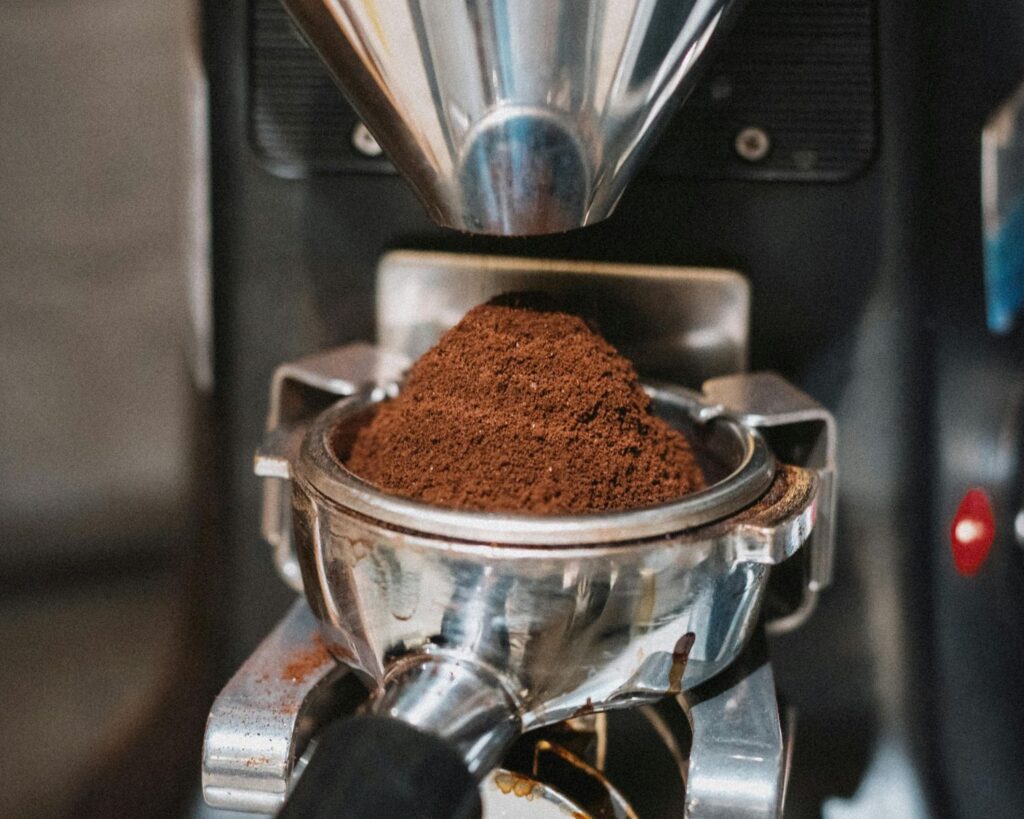
Espresso is unforgiving. Unlike drip coffee or French press, it requires a very specific grind size: fine, consistent, and precisely adjustable.
A poor grinder produces uneven particles (called fines and boulders), which leads to:
- Channeling, where water finds weak paths through the puck
- Sour or bitter flavors
- Inconsistent shot times
A good espresso grinder gives you control. Control is everything in espresso.
Burr Grinder vs Blade Grinder
If you are serious about espresso, skip blade grinders entirely.
Blade Grinders
- Chop beans unevenly
- No grind size control
- Completely unsuitable for espresso
Burr Grinders
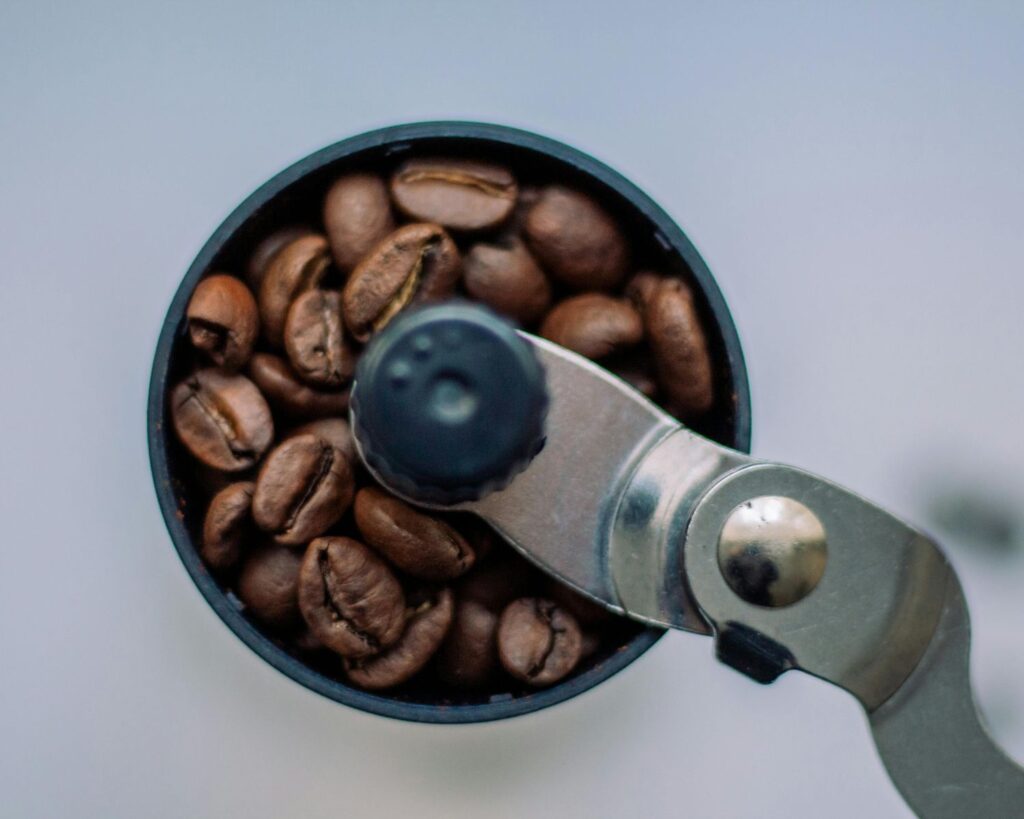
- Crush beans between burrs for uniform size
- Allow precise grind adjustment
- Essential for proper espresso extraction
There are two types of burr grinders:
Flat Burrs
- More consistent particle size
- Often used in commercial settings
- Can produce cleaner, brighter flavors
Conical Burrs
- Slightly more forgiving
- Quieter and often more affordable
- Great for home users
For most people, either works well as long as the grinder is built for espresso.
Stepped vs Stepless Adjustment
One of the biggest differences between espresso grinders is how they adjust grind size.
Stepped Grinders
- Move in fixed “clicks”
- Easier to use
- Can sometimes miss the exact ideal grind size
Stepless Grinders
- Infinite adjustment between settings
- Allows perfect dialing-in
- Preferred for espresso enthusiasts
If you want better control over your shots, stepless is worth it. Stepped grinders with very fine increments can still perform well.
Grind Consistency
Consistency is what separates average grinders from great ones.
A high-quality grinder will:
- Produce uniform particles
- Minimize fines (dust-like particles)
- Deliver repeatable results shot after shot
This directly impacts extraction time, flavor balance, and crema quality. If your espresso tastes different every time, inconsistency is usually the culprit.
Dose Control and Retention
Two often overlooked factors:
Low Retention
Retention refers to how much coffee gets stuck inside the grinder.
- Low retention means fresher grounds every time
- High retention leads to stale coffee mixing into your shot
Dosing Options
- Single dosing: Weigh beans per shot for more precision
- Hopper dosing: Store beans in the grinder for convenience
If you value precision, look for grinders designed for single dosing.
Build Quality and Durability
Espresso grinding is demanding. Cheap grinders struggle with:
- Fine grind settings
- Heat buildup
- Motor wear
Look for:
- Solid burr materials (steel or coated burrs)
- Strong motor
- Stable construction to reduce vibration
A well-built grinder does not just last longer, it performs better.
Manual vs Electric Espresso Grinders
Manual Grinders
- More affordable
- Portable
- Capable for espresso if high quality
Downside: Grinding for espresso takes effort.
Electric Grinders
- Faster and easier
- Better for daily use
- More consistent for most users
If you make espresso regularly, electric is usually the better investment.
Budget Guide
Espresso grinders are not cheap, but quality matters.
- Under $100: Not recommended for true espresso
- $150–$300: Entry-level espresso grinders, decent performance
- $300–$700: Serious home barista range
- $700+: Prosumer and commercial-level quality
Match your grinder to your espresso machine to avoid limiting your results.
Common Mistakes to Avoid
Before you buy, watch out for these:
- Choosing a grinder “that can do espresso” instead of one designed for it
- Ignoring grind adjustment precision
- Prioritizing aesthetics over performance
- Underestimating the importance of consistency
- Buying too cheap and upgrading later anyway
How to Choose the Right Grinder
Ask yourself:
- How often will I make espresso?
- Do I want convenience or full control?
- Am I okay with manual grinding?
- What is my realistic budget?
Recommended Grinder Brands for Beginners and Home Baristas
If you are just starting out with grinding your own beans, it helps to focus on reliable brands that offer good build quality, consistency, and ease of maintenance. Here are some widely recommended options across different price ranges:
1. Baratza
- Popular models: Q2, ZP6, X-Ultra
- Metal construction with smooth grind adjustment
- Handles both espresso-level and coarser filter grinds
- Great for single dosing and travel use
2. 1Zpresso
- Popular models: Q2, ZP6, X-Ultra
- Metal construction with smooth grind adjustment
- Handles both espresso-level and coarser filter grinds
- Great for single dosing and travel use
3. Kingrinder
- Models to consider: K6, P1
- Solid hand grinders built for long-term use
- Capable of producing fine espresso grinds and coarser settings
- Lightweight and simple to maintain
4. Turin
- Model to consider: SK40
- Strong performance around the $200 range
- Compact and durable design
- Suitable for espresso and general coffee brewing
Tips When Choosing a Grinder
- Avoid very cheap grinders around $50. They are often inconsistent and wear out quickly
- Prioritize metal burrs over plastic for better durability
- Look for grinders labeled “all-purpose” if you want one device for espresso and filter coffee
- Consider hand grinders if you want better build quality at a lower price point
With regular maintenance, such as brushing after use and occasional deep cleaning, these grinders can last for many years while delivering consistent results.
Final Thoughts
A great espresso grinder is the foundation of good espresso.
You can have an expensive machine, fresh beans, and perfect technique, but without a proper grinder, your shots will fall short.
Choose a grinder that gives you control, consistency, and room to grow. Once you have that, everything else in your espresso setup starts to make sense.
FAQs
Can I use a regular coffee grinder for espresso?
Only if it is a burr grinder specifically capable of fine, consistent espresso grind sizes. Most “regular” grinders fall short.
How fine should espresso grind be?
It should feel like fine table salt, but exact size depends on your machine and beans. Dialing in is key.
Is a more expensive grinder always better?
Not always, but in espresso, higher cost usually means better consistency, durability, and control.