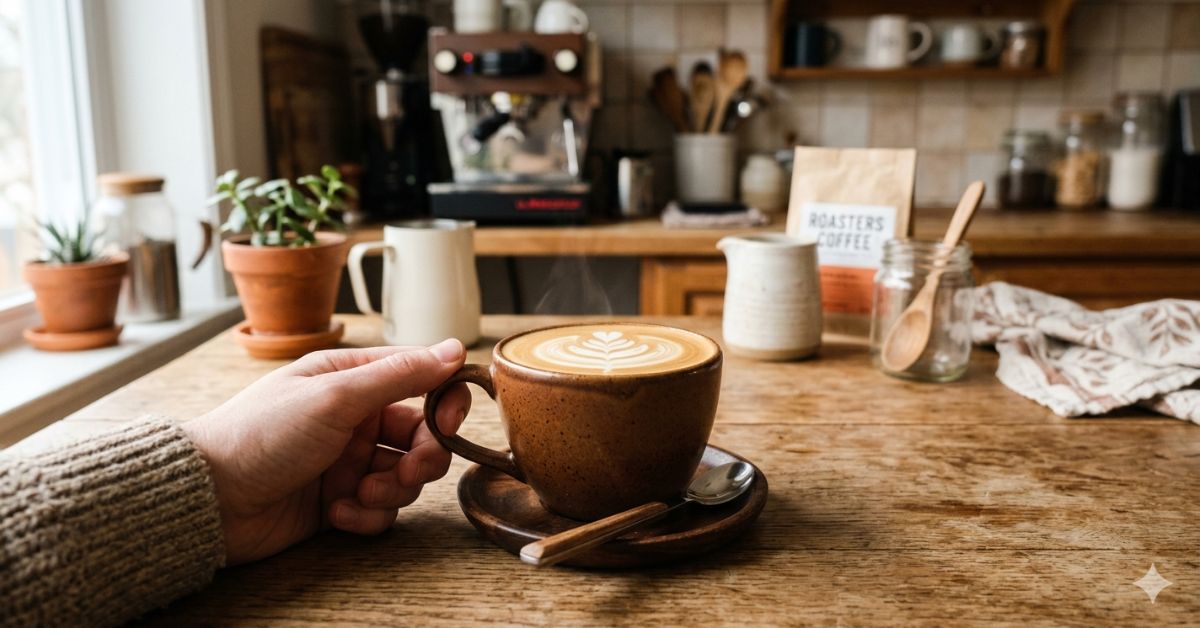


Is Coffee Good for You? Here’s the Honest Answer from a Coffee Lover
Coffee isn’t simply “good” or “bad” for you. It’s personal. For many, it brings comfort, focus, and a gentle boost to start the day. For others, it can cause jitters, anxiety, or sleep issues. It can also become a daily habit your body relies on. The best way to judge coffee is by how it makes you feel. If it improves your day, it’s worth enjoying. If it doesn’t, it’s okay to skip it.
There’s a very specific moment most coffee drinkers know well.
You wake up a little foggy. Maybe you didn’t sleep enough, or maybe your brain just hasn’t caught up with the day yet. You shuffle into the kitchen, pour a cup, take that first sip, and something shifts. Not dramatically. Not instantly life-changing. But enough.
It feels like a quiet return to yourself.
That’s why the question “is coffee good for you?” is harder to answer than it seems. Because coffee isn’t just about health. It’s about routine, comfort, and how it fits into real life.
And if you listen to enough people talk about it, one thing becomes clear very quickly:
Coffee affects everyone differently.

What Coffee Actually Feels Like
For many people, coffee is less about a jolt of energy and more about a gentle start.
It’s that moment of stillness before the day begins. The warmth in your hands. The smell that somehow feels familiar no matter where you are. Even before the caffeine kicks in, the experience itself already does something.
- It can feel like a mental reset when your thoughts are slow or scattered
- It creates a sense of routine that makes mornings easier to handle
- It offers a small, reliable comfort in the middle of a busy day
Some people describe the first sip as almost emotional. Not in a dramatic way, but in a quiet, grounding sense. Like everything is settling into place again.
And sometimes, it simply makes you feel better. Not energized, not wired. Just better.
The Energy Boost Isn’t Always Intense
Coffee has a reputation for being an energy drink, but the reality is often more subtle.
For a lot of people, it does not feel like a surge. It feels like clarity.
- You can focus again
- You feel more awake without being overwhelmed
- Starting tasks feels easier instead of forced
It is less about becoming hyper and more about removing that heavy, sluggish feeling.
But here is where things get interesting. Not everyone experiences coffee this way.
Some people feel calm after drinking it. Others feel slightly sleepy. And some feel absolutely nothing at all, especially if they drink it every day.
That difference is part of what makes coffee so personal. There is no single “normal” reaction.

The Part Everyone Jokes About, But It’s True
Let’s be honest about one thing.
Coffee has a very noticeable effect on digestion.
For many people, it quickly becomes part of their morning rhythm:
- Drink coffee
- Give it a few minutes
- Head to the bathroom
It is so common that some people rely on it without even thinking about it. It just becomes part of how their body starts the day.
Of course, not everyone loves this effect. For some, it feels a bit too strong or unpredictable. But it is one of the most consistent things people notice about coffee.
When Coffee Feels Really Good
There is a reason so many people stick with coffee for years.
At its best, coffee feels like a small upgrade to your day.
- It can lift your mood just enough to make things feel manageable
- It helps you ease into work instead of forcing yourself into it
- It gives you a break, even if it is just a few quiet minutes
There is also something personal about it. Sitting with a cup of coffee can feel like you are doing something for yourself, even on a busy day.
For some people, that alone is enough reason to keep drinking it.
When Coffee Doesn’t Feel Good
At the same time, coffee is not universally pleasant.
Some people experience the opposite effect:
- Jitteriness or restlessness
- Feeling overstimulated or on edge
- Trouble falling asleep later in the day
- A sense of anxiety that was not there before
For others, it goes even further. Coffee can feel harsh on the body, making them feel uncomfortable or off in a way that is hard to ignore.
There are also people who simply cannot tolerate it at all. Even small amounts can feel like too much.
This is where the idea of coffee being “good” or “bad” starts to fall apart. Because for some people, it clearly does not feel good.
It Can Quietly Become a Daily Need
One of the more honest parts of coffee culture is how easily it becomes a habit.
At first, you drink it because you enjoy it. Then, over time, you might start noticing something else.
You are not just drinking coffee to feel good. You are drinking it to avoid feeling off.
- Without it, you feel slower than usual
- You might get a dull headache
- Your mood feels slightly lower or harder to manage
This is where coffee shifts from a simple pleasure to something more routine.
It does not mean it is a bad thing. But it is something many people recognize once they pay attention to it.

Mood and Coffee: A Bit Complicated
Coffee and mood have an interesting relationship.
For some people, it works like a gentle lift:
- They feel more positive
- More motivated
- More ready to take on the day
For others, it feels less stable:
- A boost at first, followed by a dip later
- Feeling more sensitive or reactive
- A sense of emotional ups and downs
This difference is why you will hear completely opposite opinions about coffee. Some people swear it improves their mood, while others feel like it makes things worse.
Both experiences are real.

Does Black Coffee Feel Different?
If you talk to long-time coffee drinkers, many of them eventually move toward black coffee.
Not because they are trying to be strict, but because it feels different.
- The taste is stronger and more direct
- There is no sugar crash afterward
- The experience feels cleaner and more consistent
It can take time to get used to, especially if you started with sweet or creamy versions. But once people adjust, many find it simpler and more satisfying.
That said, it is entirely personal. Some people stick with milk or sugar and enjoy coffee just as much.
Finding Your Own Sweet Spot
Most people who drink coffee regularly end up finding a balance that works for them.
It usually looks something like this:
- One or two cups a day
- Drinking it earlier rather than late at night
- Paying attention to how their body reacts
When you hit that balance, coffee feels like a benefit instead of something that throws you off.
It becomes part of your routine in a good way, not something you have to manage carefully.

So, Is Coffee Good for You?
If you look at real-life experience instead of trying to force a simple answer, it comes down to this:
Coffee is good for you if it feels good for you.
That means:
- You enjoy drinking it
- It helps your day more than it disrupts it
- It fits naturally into your routine
And it might not be for you if:
- It makes you feel anxious or uncomfortable
- It interferes with your sleep
- It feels like something you rely on just to function
There is no universal rule that applies to everyone.

Final Thoughts: Coffee Is Personal
Coffee is not a miracle drink, and it is not something you need to avoid at all costs.
It is simply one of those everyday things that affects people in very different ways.
For some, it is:
- A comforting routine
- A source of focus
- A small daily ritual that makes life feel a bit better
For others, it is:
- Too intense
- Too disruptive
- Not worth the side effects
The most useful thing you can do is pay attention.
Notice how you feel after you drink it. Notice how you feel when you skip it. Over time, the answer becomes very clear.
And that answer will be more accurate than anything you read online.
If you know how to make your coffee and makes your day better, enjoy it.
If it doesn’t, it is perfectly fine to let it go.