

Why Are Coffee Shops So Popular?
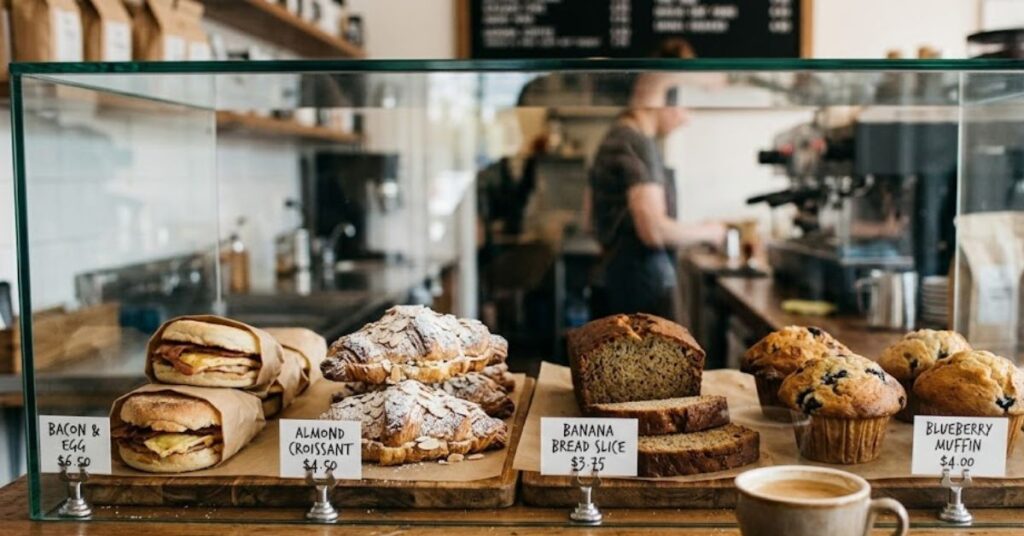
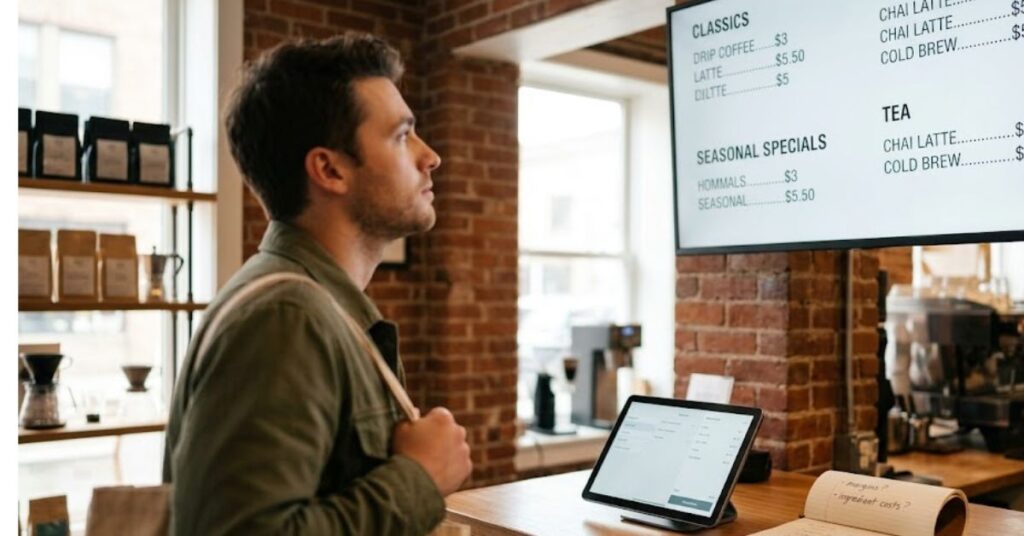
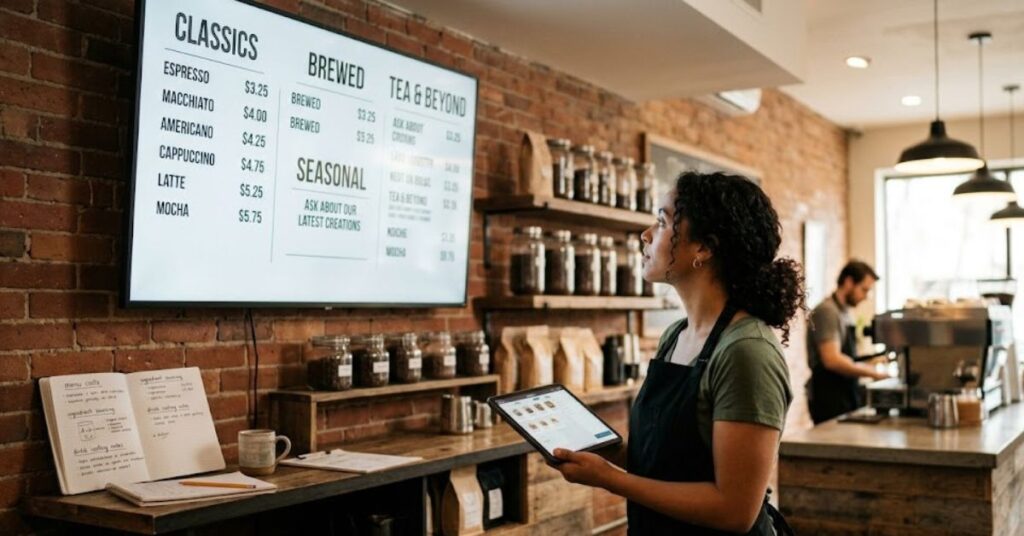
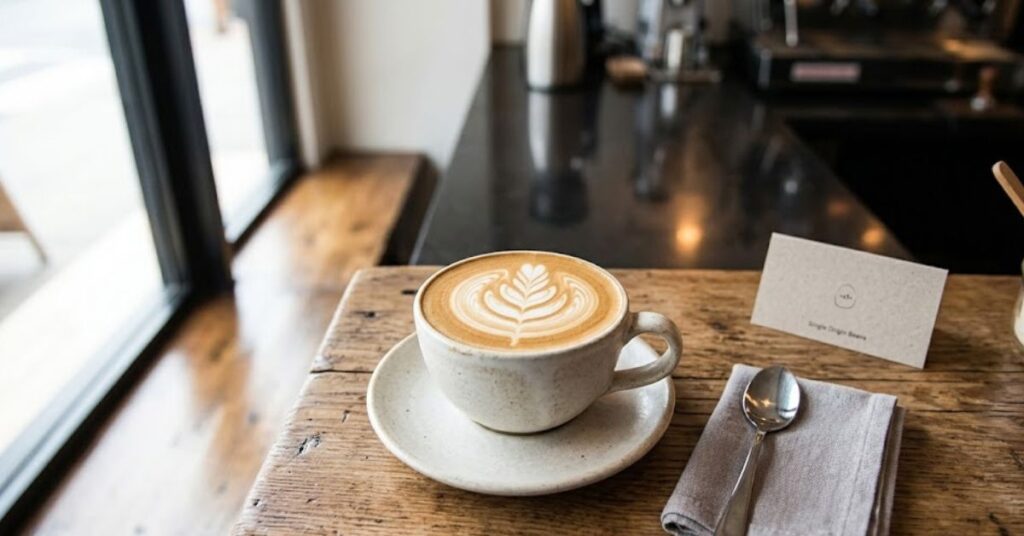
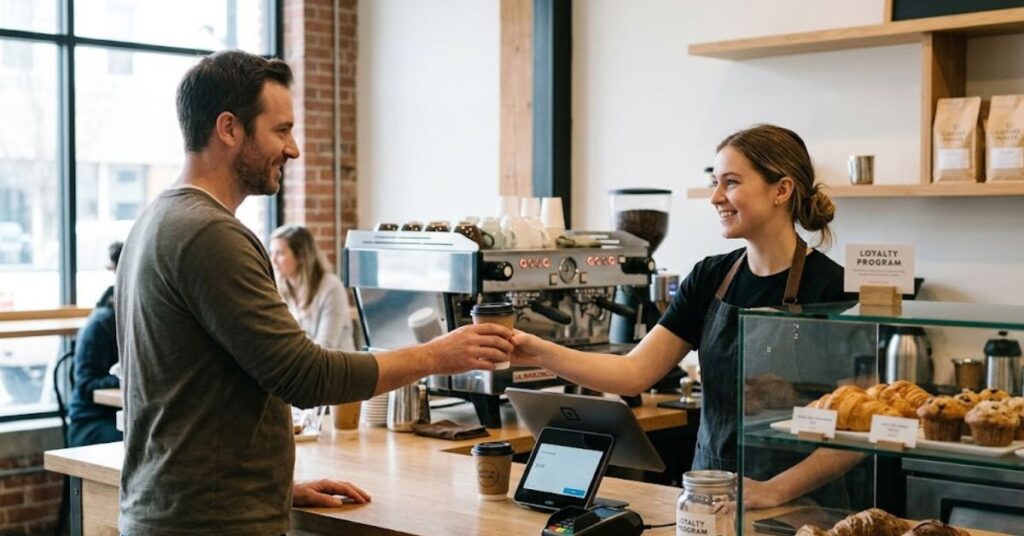
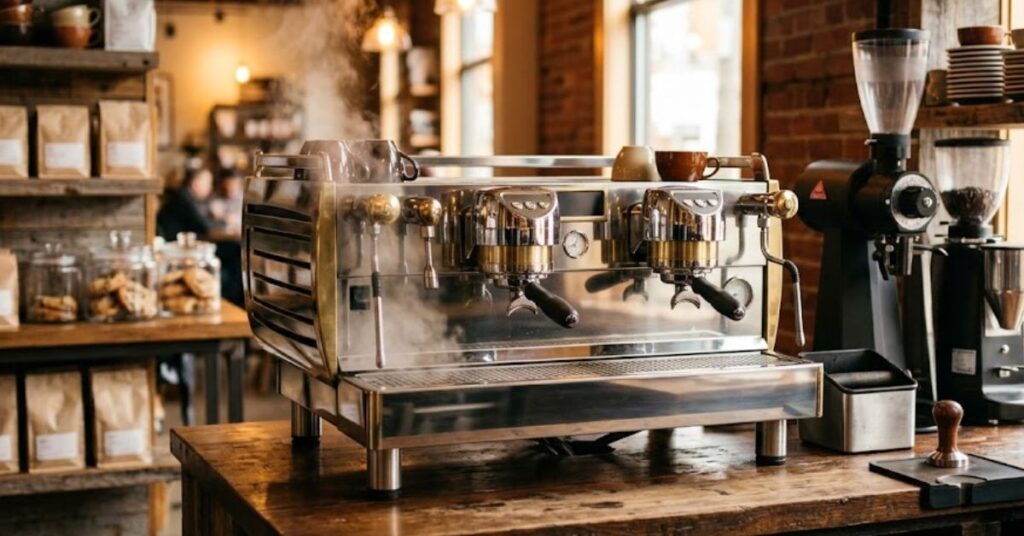
Why Are Coffee Shops So Popular? It’s a random Tuesday afternoon, and every single table at my local café is taken. There’s someone furiously typing on a laptop, a couple deep in conversation in the corner, and a guy just staring out the window with a half-empty flat white. I’m right there with them, soaking in the low, comforting hum of the espresso machine and the unmistakable smell of freshly roasted beans. It makes you wonder, doesn’t it? In a world where we can easily brew a perfectly good cup in our own kitchens, what is it about these spaces that pulls us in so consistently day after day? It’s clearly not just about getting a quick caffeine fix anymore. Let’s dig into why coffee shops have evolved from simple storefronts into the communal living rooms we absolutely can’t seem to live without. The Rise of Coffee Culture Coffee culture has seen an immense growth over the past few decades, with shops popping up in nearly every neighborhood. This trend isn’t merely coincidental; several factors contribute to the rise of coffee shops as treasured community hubs. First off, coffee serves more than a caffeine boost; it represents a lifestyle choice for many individuals. The ritual of grabbing a daily cup of coffee gives people a sense of structure in their day. This routine encourages customers to return time and time again, effectively creating loyalty. Another important element of coffee culture is its relation with social interaction. Coffee shops provide a relaxed atmosphere where people can gather, whether it’s to chat with friends or have meetings. This social component makes coffee shops appealing destinations that encourage companionship and community connection. The Design and Ambiance Factor A huge aspect of a coffee shop’s charm lies in its design and ambiance. Most coffee shops invest heavily in creating inviting environments that encourage customers to linger. Comfortable seating, warm lighting, and pleasing decor all contribute to a welcoming atmosphere. Differentiating themselves from fast-paced environments, coffee shops offer a slower pace that allows for relaxation, study, or work. Many favor working in coffee shops as opposed to traditional offices because these spaces provide a relaxing setting that fuels creativity and productivity. Moreover, ideal locations with ample natural light can enhance the overall experience, making patrons more likely to stay longer and spend more. When a space feels appealing, customers associate their positive feelings with the establishment, often resulting in repeat visits. Quality of Products One cannot discuss coffee shop popularity without emphasizing the quality of the products. Nowadays, coffee enthusiasts are more discerning than ever; they demand specialty coffee sourced ethically and brewed artistically. Shops that excel in this area tend to thrive. The emphasis on quality attracts customers eager to experience unique brews, from single-origin beans to expertly crafted lattes. Additionally, many coffee shops expand their menus to include artisanal teas, fresh pastries, and nutritious snacks, appealing to a broader audience. Customers appreciate the variety and often find themselves turning to coffee shops for more than just caffeine. This variety not only satisfies current consumers but also brings in new people who may be looking for a snack or a place to unwind. Technology and Connectivity In an age where staying connected is essential, coffee shops play a significant role in providing free Wi-Fi, attracting remote workers and students alike. The appeal of a reliable internet connection combined with good coffee makes these shops ideal workspaces for professionals who prefer to work outside of home or the office. The ability to settle into a seat with a laptop creates an atmosphere of productivity matched with comfort. However, this connectivity can also lead to a common misconception: coffee shops are about quick visits. While it’s true that many people stop in for a quick drink, those same individuals often linger to enjoy the ambiance or finish that last email. This dual-use, as both a quick stop and a cozy workspace, fuels the appeal further. Community Engagement and Events Another influential factor in a coffee shop’s success is its role in community engagement. Many shops host local events, book clubs, or open mic nights, transforming the coffee shop into a vibrant community hub. These events attract both regulars and newcomers, building a sense of belonging and relationship among the regulars. Customers, therefore, don’t merely see coffee shops as places to get a beverage; they recognize them as important parts of their local culture. Moreover, supporting local artists by showcasing their work or offering them a venue to perform provides a distinctive charm. Coffee shops become more than just retail spaces, they evolve into cultural landmarks where community members can come together to share ideas, creativity, and conversations. Common Mistakes Made by Entrepreneurs in the Coffee Shop Business While many coffee shops thrive, not all see the same success. A common mistake is neglecting the importance of community engagement. Entrepreneurs often underestimate the power of building relationships with local patrons. Establishing ties with the community enhances brand loyalty, which can lead to repeat customers. Additionally, failing to recognize changing customer preferences can hinder growth. With the rise of health consciousness, offering diverse beverage options, including plant-based and sugar-free versions, can greatly affect customer satisfaction. Entrepreneurs should continuously evolve to meet consumer expectations, dynamic menus help in retaining clientele who appreciate choice. Which Coffee Shops Are Best For You? The ideal coffee shop varies based on an individual’s requirements. For students and remote workers, shops that provide work-friendly features, such as ample power outlets and Wi-Fi, may be preferred. On the other hand, if you’re seeking a place to socialize with friends or attend events, look for spaces with a vibrant atmosphere and frequent activities scheduled. For those focused on quality coffee, seek out specialty shops known for their carefully crafted beverages. On the flip side, if convenience and speed are essential to your lifestyle, chain coffee shops may suit you better, given their reliability in delivering consistent products quickly. Conclusion In summary, coffee shops are popular