
What Grinder Do Coffee Shops Use?
You know that distinct, high-pitched whirr right before the barista pulls your espresso shot? That’s the sound of the most crucial, and honestly, the most underappreciated piece of gear in the whole cafe. We all tend to obsess over those massive, shiny espresso machines or the exotic origins of the beans, but the truth is, a beautiful roast means absolutely nothing if the grind is off. I’ve spent way too much time leaning over shop counters trying to get a peek at the equipment, which got me genuinely curious about the unsung hero of our morning rush. What exactly are the pros using behind the bar to get that flawless, fluffy coffee consistency every single time?
Importance of the Right Grinder
Choosing the right grinder is crucial for coffee shops because it directly affects the flavor, aroma, and overall quality of the coffee served. A high-quality grinder ensures consistent grind size, which is critical for proper extraction. If the coffee grounds are too coarse, the extraction may be under-extracted, leading to a weak flavor. Conversely, if the grounds are too fine, it might lead to over-extraction, resulting in bitterness. Therefore, precision in grinding is essential for achieving the desired taste.
Types of Coffee Grinders Coffee Shops Prefer
In professional settings, coffee shops typically use one of two types of grinders: blade grinders and burr grinders. However, burr grinders are the preferred choice for most coffee shops due to their ability to produce a consistent grind size.
Burr Grinders
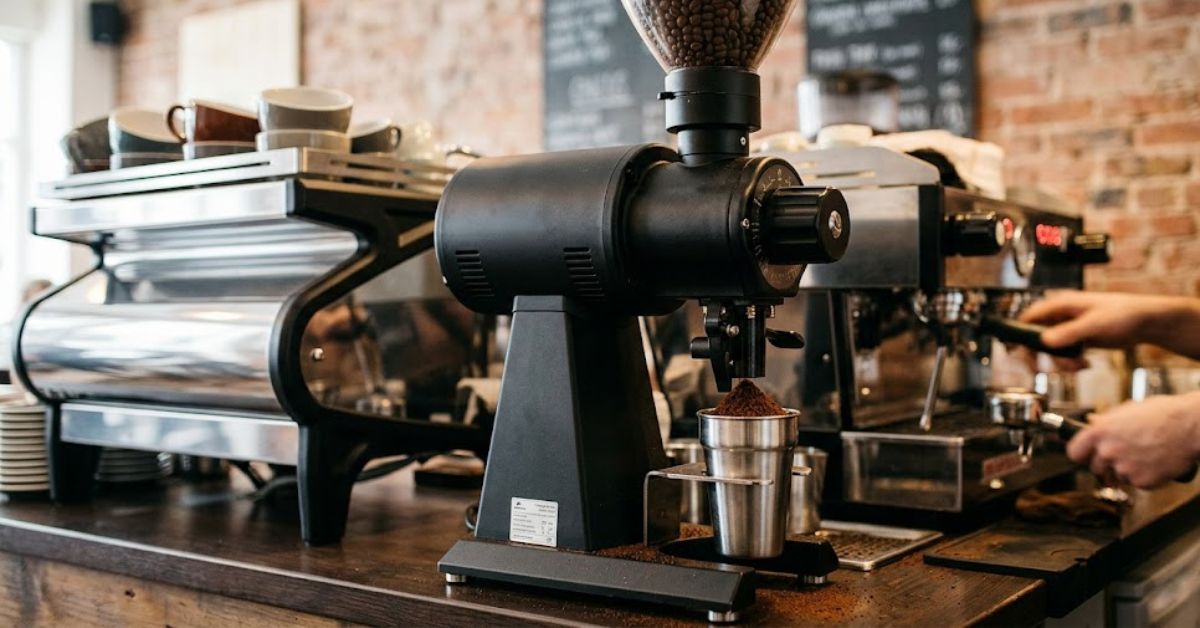
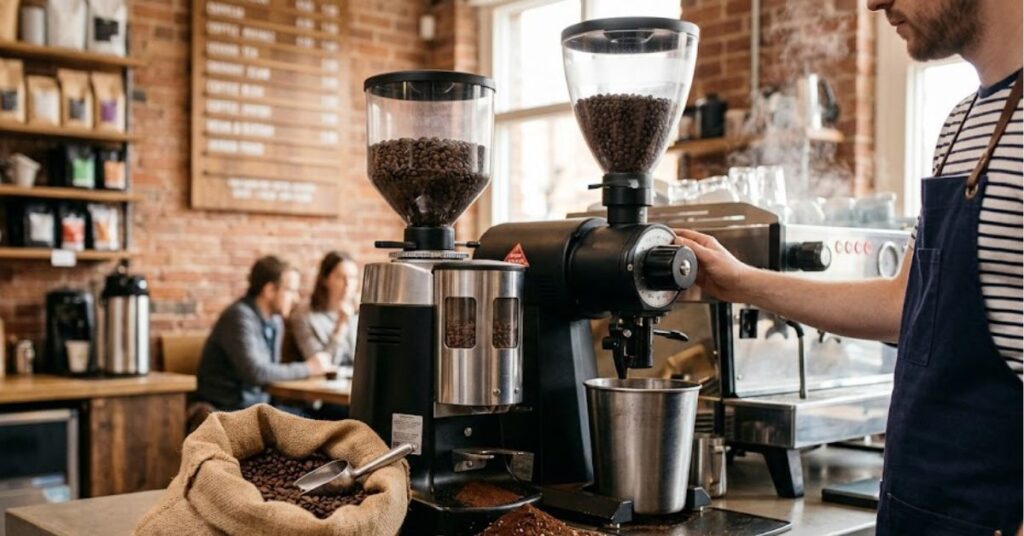
Burr grinders utilize two revolving abrasive surfaces, or “burrs,” that crush the coffee beans. The distance between these burrs can be adjusted to control the grind size, allowing baristas to tailor the grind to the brewing method. For instance, espresso requires a fine grind while French press calls for a coarse grind.
Why do coffee shops favor burr grinders? Here are the main reasons:
- Consistency: Burr grinders produce uniform grind sizes, which is vital for balanced extraction.
- Control: The ability to adjust grind size makes these grinders versatile for different brewing methods.
- Heat Management: Burr grinders generate less heat compared to blade grinders, preserving the coffee’s essential oils and flavors.
Blade Grinders
Blade grinders use a rotating blade to chop the beans. While these grinders are more affordable, they are less precise. The grind size can vary dramatically since the beans are not ground uniformly. This inconsistency leads to varied extraction rates, impacting flavor and quality.
Blade grinders are generally considered less ideal for coffee shops, primarily for these reasons:
- Inconsistency: The uneven grind can lead to unpredictable flavors and balances in coffee.
- Heat Generation: The high-speed blade can heat the beans, which may damage the flavor.
Features to Look For in a Coffee Grinder
When selecting a grinder for a coffee shop, several features should be considered:
Grind Size Settings
Multiple grind settings are essential, allowing baristas to switch between brewing methods easily. A good grinder should have options for coarse, medium, and fine grinds.
Capacity
High-capacity grinders are vital for coffee shops, especially during busy hours. A grinder that can hold a sizable amount of beans minimizes the need for frequent refills, improving efficiency.
Durability
Investing in a durable grinder is essential for daily use in a busy coffee shop. Look for construction materials that promise longevity, such as stainless steel, which is resistant to corrosion and wear.
Maintenance
Easy maintenance is crucial in a coffee shop setting. Grinders should have accessible parts for cleaning, and burrs should be replaceable to maintain optimal performance over time.
Common Mistakes When Choosing a Coffee Grinder
Many coffee shop owners make a few common mistakes when selecting a grinder:
- Overlooking Grind Size Flexibility: Some owners focus only on the grinder’s price and neglect the importance of a range of grind sizes. Not every method can be brewed with a single grind size.
- Choosing Cheap Options: While it’s tempting to go for budget-friendly options, investing in a high-quality grinder pays off in the long run through enhanced flavor and customer satisfaction.
- Ignoring Brand Reputation: Certain brands are known for producing reliable grinders that stand the test of time. Neglecting brand reputation can result in buying a low-quality product.
Which Grinder is Best for Your Coffee Shop?
For most coffee shops, investing in a high-quality commercial burr grinder is the best option. Brands such as Mazzer, Baratza, and Eureka consistently receive praise for their performance and durability. Mazzer’s Super Jolly or Baratza’s Forte can easily meet the demands of both busy specialty cafes and smaller coffee shops.
Ultimately, the right grinder depends on the volume of coffee you serve, your budget, and the variety of brewing methods you plan to offer. For smaller shops or those just starting, a mid-range burr grinder can provide excellent results without breaking the bank. Larger establishments that prioritize precision and speed may consider high-end models that cater to their specific needs.
Next Steps for Coffee Shop Owners
If you are a coffee shop owner looking to upgrade or purchase your first grinder, start by assessing your needs. How much coffee will you serve daily? What brewing methods will you offer? Based on your answers, prioritize investing in a quality burr grinder that aligns with your shop’s values and customer expectations. Remember, the right equipment lays the foundation for exceptional coffee.