What Espresso Machines Do Coffee Shops Use?
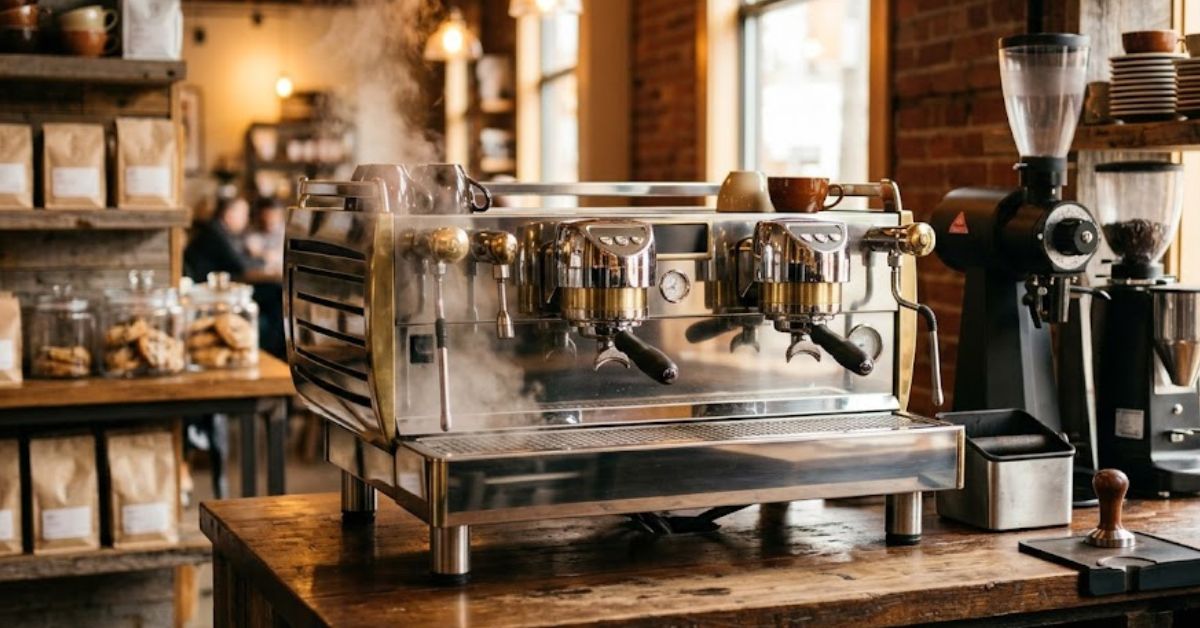
Whenever I walk into a new café, the first thing my eyes dart toward isn’t the pastry case or the menu; it’s that massive, shining block of metal dominating the counter. The espresso machine is the absolute beating heart of the whole operation, churning out back-to-back shots while the morning line snakes out the door. It always makes me wonder what kind of engineering it takes to survive that kind of daily abuse without dropping the ball on flavor. You definitely can’t just plug a high-end home appliance into a commercial bar and expect it to make it past 9 AM. Let’s take a look at the heavy-duty machines the pros actually rely on to keep our favorite local spots running.
Common Espresso Machines in Coffee Shops
Coffee shops typically rely on several major types of espresso machines, each offering unique features and functionalities suited for different workflows and styles.
Commercial Espresso Machines
These machines are built for high-volume productions and designed to extract consistent, high-quality espresso quickly. Brands like La Marzocco, Rancilio, and Nuova Simonelli dominate this category. For instance, the La Marzocco Linea Classic remains a favorite due to its reliability and durability, making it an excellent choice for busy shops. With dual boilers allowing simultaneous brewing and steaming, this machine meets the demands of peak hours.
Semi-Automatic Machines
Semi-automatic machines offer a balance of control and convenience. They allow baristas to manage the extraction process, enabling adjustments for grind size and tamping pressure, which can enhance the espresso’s flavor profile. Brands like Rocket Espresso and Breville produce these machines, which are favored in shops where baristas are trained to emphasize craft and skill in brewing. However, the hands-on operation means that consistency can vary, depending on the barista’s expertise.
Key Considerations for Espresso Machines
Choosing the right espresso machine is more than just picking a well-known brand; it involves considering various factors that can affect both the quality of the coffee and the operational efficiency of the café.
Volume and Demand
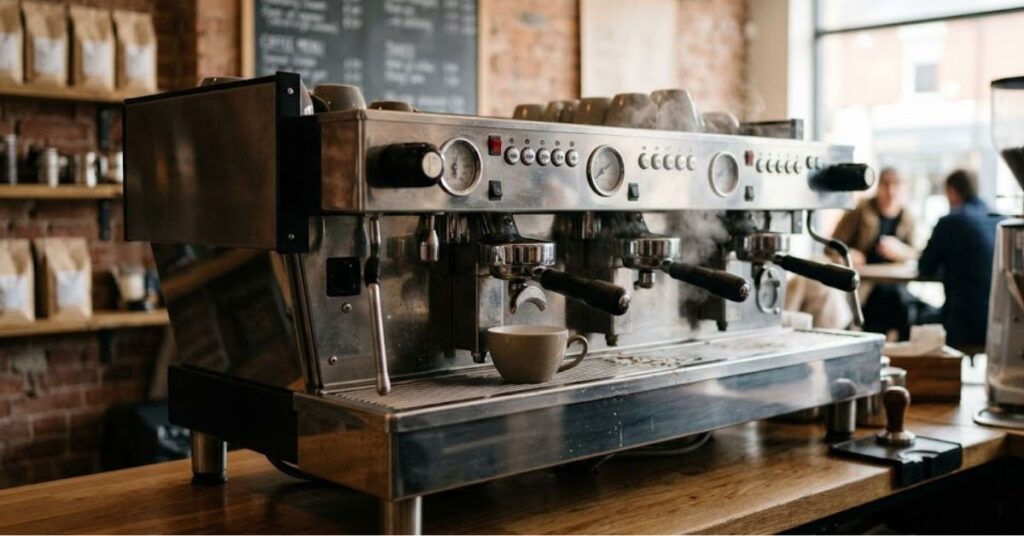
High-traffic cafes need machines that can handle considerable traffic without losing performance. A dual or triple group machine can deliver the required output during rush hours, while smaller neighborhood cafes might want single-group machines that can provide quality without unnecessary power.
Quality of Brew
High-end espresso machines often feature PID temperature control, ensuring that water temperature is consistent during extraction, crucial for delivering rich flavors. Shops aiming for specialty coffee should prioritize machines with advanced brewing technology. Investing in such machines may yield a higher quality product, attracting more customers.
Common Mistakes When Choosing an Espresso Machine
Even experienced café owners can make missteps when selecting their espresso machines. Here are some common pitfalls to avoid:
Ignoring Maintenance Needs
Every espresso machine requires regular maintenance to function efficiently. ignoring this can lead to issues and worse coffee quality. For example, if a machine’s group head isn’t cleaned daily, it can affect the flavor of the espresso. Owners often underestimate the time and resources needed for machine upkeep, leading to prolonged downtimes and dissatisfied customers.
Overlooking Barista Training
A top-tier espresso machine is only as good as the baristas operating it. Many cafés invest heavily in equipment but do not provide enough training. Lack of knowledge about grinding, dosing, and tamping can result in poorly executed shots, erasing any advantages provided by the machine’s features.
Which Option is Best for Your Coffee Shop?
Selecting the right espresso machine largely depends on your business model:
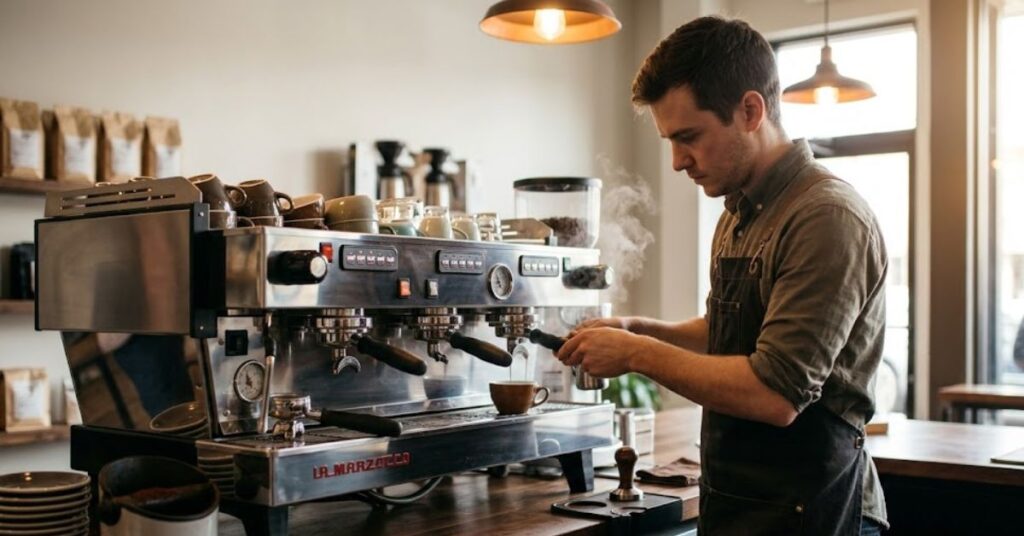
Best for High Volume: La Marzocco Linea PB
For high-demand cafes that serve large volumes quickly, La Marzocco Linea PB offers the perfect blend of speed and quality. Dual boilers and user programmability help baristas maintain high standards under pressure.
Best for Specialty Coffee: Nuova Simonelli Aurelia II
For shops focused on specialty brews and customer experience, the Nuova Simonelli Aurelia II, renowned for its precision and consistency, allows for precise temperature control and steam power, ensuring perfect espresso every time.
Best for Small Cafés: Rancilio Silvia
For smaller establishments, the Rancilio Silvia provides excellent quality without overwhelming initial investment. It’s user-friendly for novice baristas while offering room for development of advanced techniques as the baristas gain confidence.
Conclusion
The espresso machine is foundational to the success of a coffee shop, impacting everything from efficiency to flavor and customer satisfaction. By understanding the types of machines available and the critical factors that influence their performance, café owners can make informed decisions that align with their business needs. Prioritize training alongside equipment purchases, and be mindful of the operational necessities that will keep your machine and your baristas ready to serve great coffee day in and day out. Whether you choose a commercial powerhouse or a versatile semi-automatic model, the right choice can elevate your coffee shop’s offerings significantly.