
Why Do Coffee Shops Smell So Good?
The Science Behind Irresistible Aromas
Walking into a coffee shop can feel like stepping into a fragrant paradise. The deep, roasted smells mixed with the sweetness of baked goods, creating such an inviting atmosphere. But why does this blend of scents have such a strong impact? Understanding the science behind these aromas can help us appreciate their complexity.
The key players in that intoxicating scent are volatile aromatic compounds released during coffee roasting. These compounds, including aldehydes, phenols, and ketones, contribute to fruity, nutty, and even chocolate-like notes. The roasting process transforms green coffee beans, releasing oils and gases that produce these aromas. As the beans roast longer, they emit more compounds, changing the smell and flavor profile.
The temperature and duration of roasting play important roles. A light roast, for instance, retains acidity and fruity notes, while a dark roast introduces deeper flavors and aromas. If you prefer brighter, more acidic cups, aim for light or medium roasts. However, if you lean towards bold, rich tastes, dark roasts will satisfy that craving.
Construction of Aroma in Coffee
What you may not realize is that different origins yield distinct aromas. Beans from East Africa often smell fruity and floral, whereas Latin American beans can lean nutty or chocolatey. Knowing this can enhance your coffee selection.
One common misconception is that all coffee smells the same or is synonymous with a “standard coffee smell.” This is misleading. The specific growing conditions such as the altitude, climate, and soil composition, can greatly influence the aromatic profile. So, if you find yourself drawn to a specific aroma, investigate where the beans were sourced.
Understanding the complexity of coffee can also guide consumers in choosing blends that suit their sensory preferences. For example, if a fruity aroma is appealing, try Ethiopian or Kenyan beans. If richer scents attract you, Costa Rican beans may be a better choice.
The Role of Freshness
Freshness is another factor that significantly affects aroma. Coffee beans are best consumed within two weeks of roasting. The oils in freshly roasted beans contain many of those aromatic compounds, but they begin to degrade, and the coffee can lose its smell over time.
Many people make the mistake of purchasing pre-ground coffee or old beans. Ground coffee loses its freshness faster, capturing fewer of the aromatic complex structures. Ideally, choose whole beans and grind them just before brewing to maximize aroma and flavor.
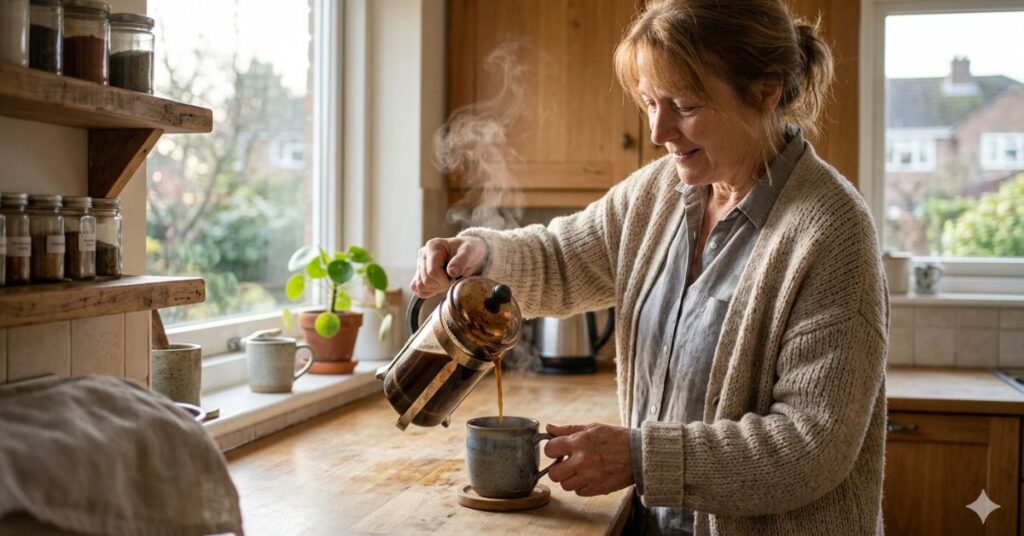
When brewing, the brewing method also matters. Pour-over and French press methods tend to increase the aromatic qualities due to the longer extraction times, whereas espresso may provide a more concentrated aroma but with less complexity.
Aromatherapy and Its Effect on Emotion
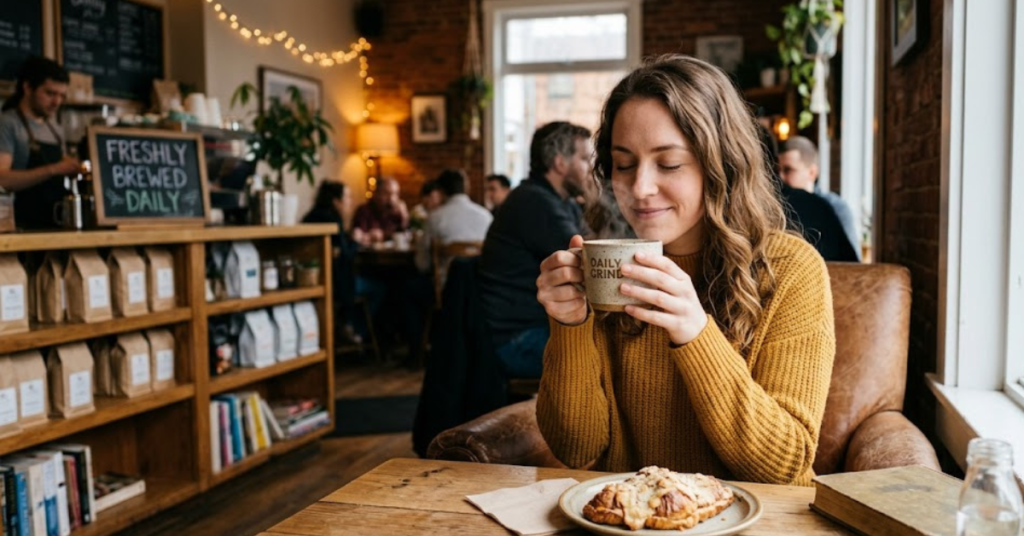
Interestingly, the relationship between scent and emotion is pivotal in coffee shops. Studies show that pleasant aromas can elevate mood and enhance relaxation. Coffee shops utilize this to create an inviting environment, where customers linger longer.
This could potentially explain why a coffee shop creates an atmosphere that feels warm and welcoming. The combination of coffee aromas and the smell of the baked goods such as muffins or croissants does further improve the overall olfactory experience. A quick lesson here is that when considering your coffee experience, think beyond the drink. The entire atmosphere influences enjoyment.
A common mistake here is undervaluing the shop’s environment. The decor, lighting, and even music play a role in how aromas are perceived. A cozy coffee shop with plush seating might create an ambiance that enhances those delightful aromas even more.
Brewing Tips for Home Enthusiasts
If you want to replicate that charming coffee shop smell at home, there are strategies to consider. Choosing high-quality, freshly roasted beans is the first step. The ideal ratio for brewing coffee is typically one to two tablespoons of ground coffee per six ounces of water, depending on your taste preference.
Experimenting with different brewing methods can also affect the aroma. For example, methods like Aeropress or Chemex allow for precise control over brewing time and temperature, generally enhancing the aromatic experience.
A frequent misstep is not cleaning equipment regularly. Residue from old coffee can negatively affect the quality and aroma of new brews. Regularly clean your grinder and coffee maker to ensure fresh smells and tastes.
Conclusion and Recommendations
In summary, the wonderful aromas of coffee shops come from complex chemical transformations during roasting, the quality and origin of the coffee beans, and the freshness of the product. Understanding these elements can guide your coffee choices and enhance your home brewing.
As a practical next step, try selecting a medium roast from a specific region you enjoy. Pay attention to the aroma while brewing, savoring each note. You may just replicate that delightful coffee shop experience in your home. For the best results, focus on fresh beans, clean equipment, and the right brewing method.