
How to Brew Coffee Without a Coffee Maker
For many people, making coffee is more than a routine. It is a small daily ritual that sets the tone for everything that follows. So when your coffee maker is not available, it can feel like something essential is missing. The good news is that great coffee does not depend on a machine. In fact, stepping away from one can open the door to more hands-on and rewarding ways to brew.
Why Learn to Brew Coffee Without a Machine?
Brewing coffee manually might seem inconvenient at first, but it gives you more control and flexibility than most machines. You can adjust water temperature, pouring technique, and steeping time based on your preferences.
It is also practical. If you are traveling, camping, or dealing with a broken machine, knowing how to brew coffee by hand means you do not have to go without it. Beyond that, manual methods often reveal flavors that automatic brewers can miss, helping you better appreciate the character of your coffee.
Simple Ways to Brew Coffee Without a Coffee Maker
You do not need specialized equipment to make a satisfying cup. With a few basic items and a little attention to detail, you can recreate some of the most popular brewing styles.
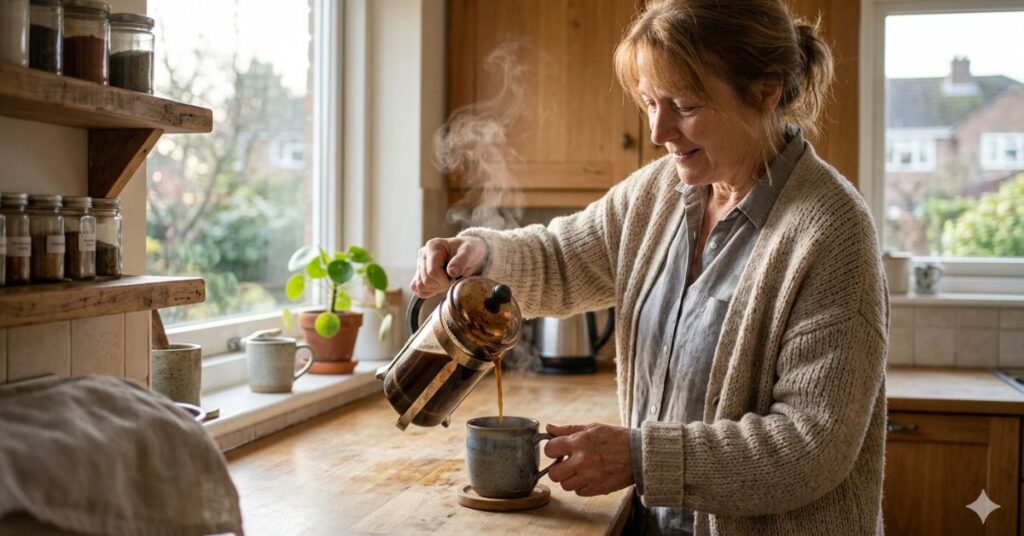
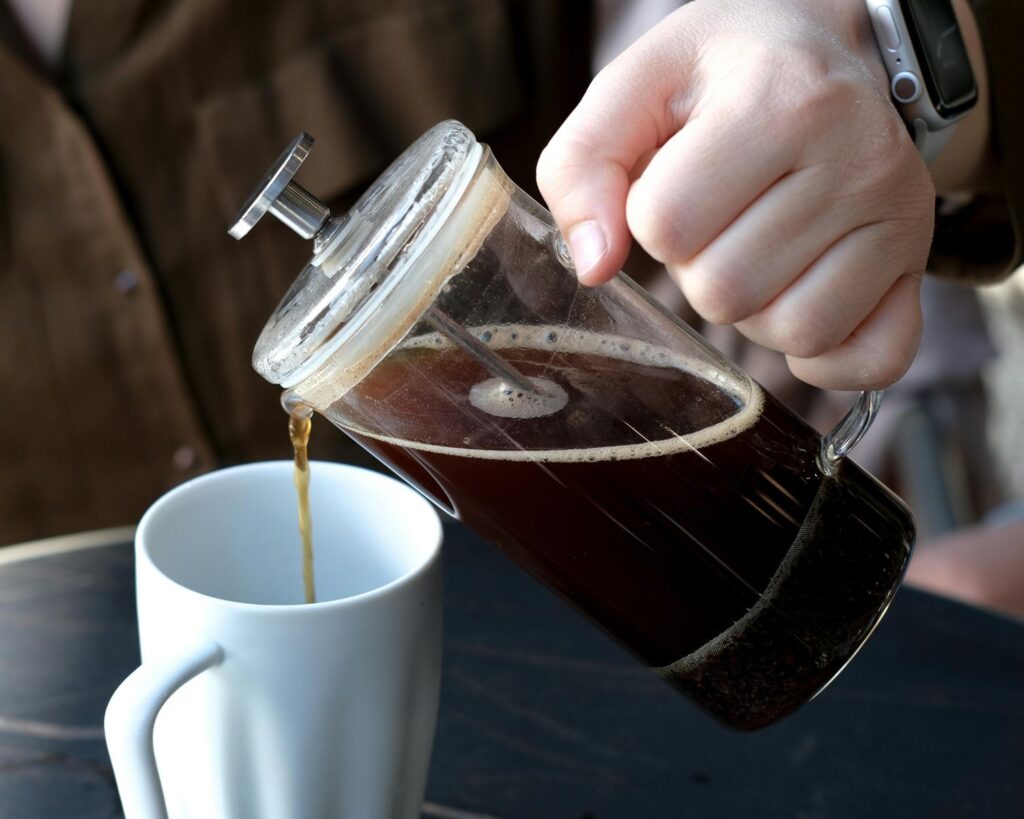
The French Press Approach
Even without a formal press, you can mimic this method using a heatproof container and something to strain the grounds.
Start with coarsely ground coffee and hot water. A good ratio is one tablespoon of coffee for every six ounces of water. Pour the water over the grounds, give it a gentle stir, and let it sit for about four minutes. Once it has steeped, separate the grounds using a spoon or a simple strainer.
This method produces a full-bodied cup with a rich texture. Because the coffee stays in contact with the water longer, it extracts deeper flavors and oils that give it more weight.
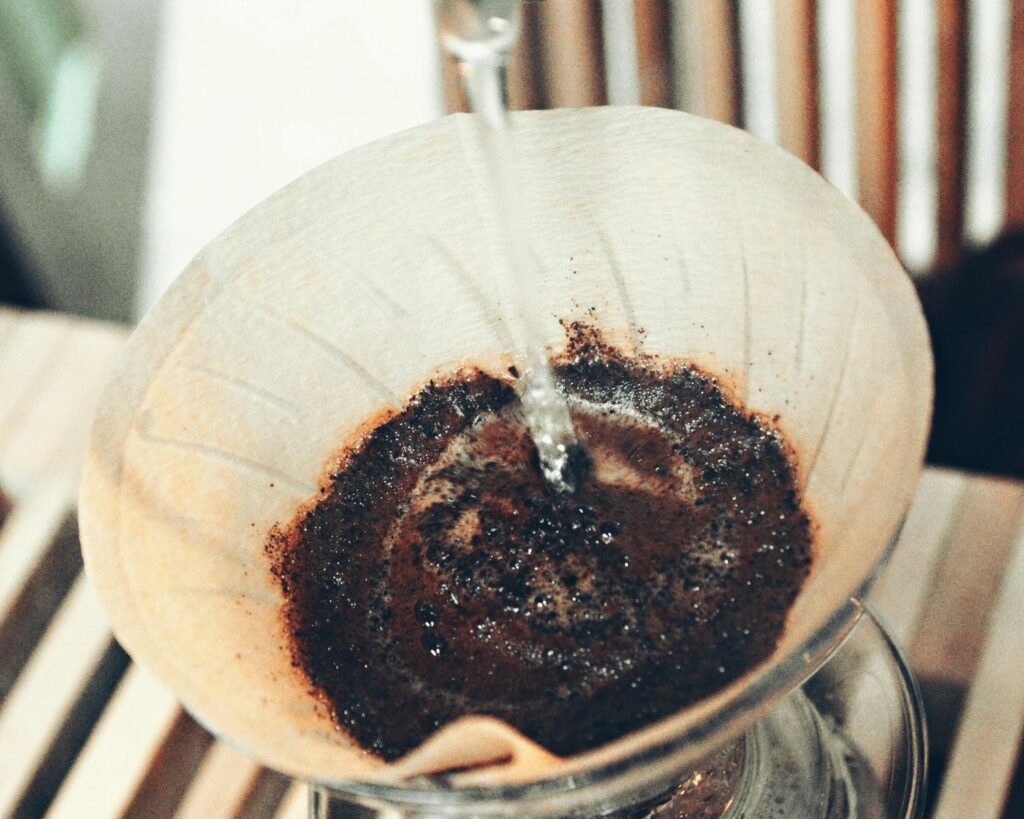
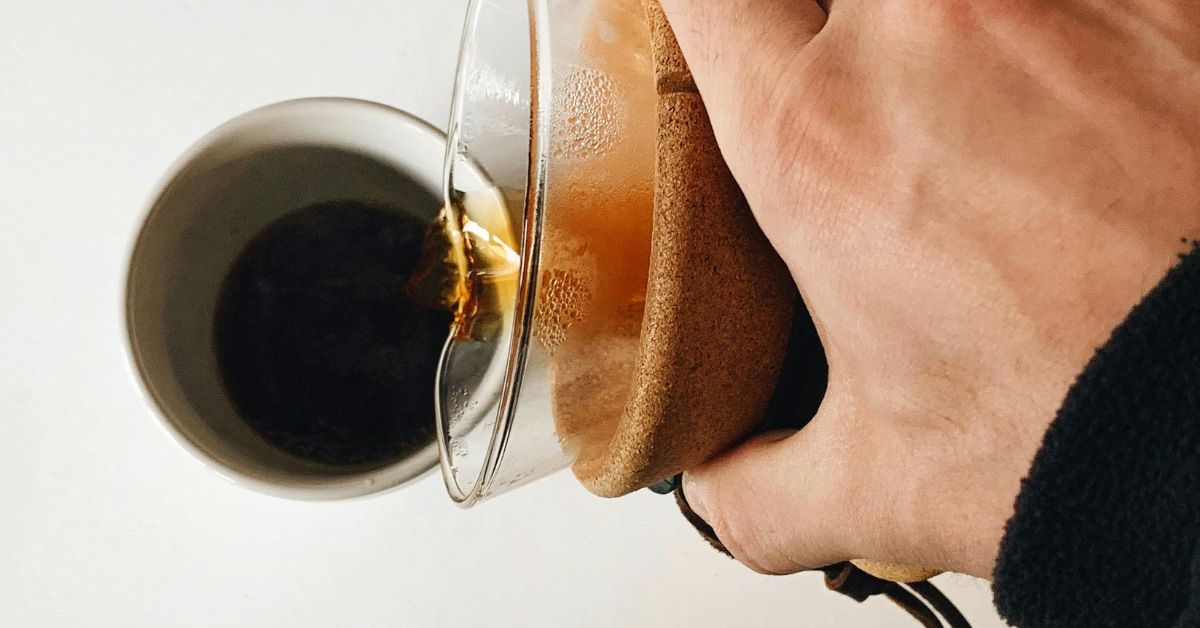
A Makeshift Pour-Over
If you have a filter and something to hold it in place, you can create a pour-over setup almost anywhere. A clean cloth or even a paper towel can work in a pinch.
Use medium-ground coffee and place it inside your filter. Heat your water and let it cool slightly before pouring. Slowly pour the water in small circles, allowing it to pass through the grounds evenly. Aim for about two tablespoons of coffee per six ounces of water.
This method gives you a cleaner, brighter cup. Because the water flows through the grounds rather than soaking them, it highlights more delicate flavors and aromas.
Cowboy Coffee
When you have no tools at all, this is the simplest way to brew. It works especially well outdoors but is just as useful at home if you are improvising.
Bring water to a boil, then remove it from the heat. Add coarsely ground coffee, about two tablespoons per cup, and let it sit for four minutes. The grounds will gradually settle at the bottom.
Pour slowly and carefully to avoid disturbing the sediment. The result is bold and strong, with a slightly rustic feel that suits the method.
Cold Brew Without Equipment
Cold brew is one of the easiest methods to prepare ahead of time, and it requires very little effort.
Combine coarsely ground coffee with cold or room temperature water using a ratio of one part coffee to four parts water. Let it steep for 12 to 24 hours in a cool place or refrigerator. Once it is ready, strain it through a fine mesh sieve or cloth.
The result is a smooth, low-acid concentrate that you can dilute with water or milk. It is especially refreshing in warm weather and keeps well for several days.
Tips to Improve Your Results
Brewing without a machine puts more responsibility in your hands, but small adjustments can make a noticeable difference.
Grind size matters. Coarser grounds work best for longer steeping methods, while finer grounds increase extraction and intensity. If your coffee tastes too bitter, try a coarser grind or shorten the brewing time. If it tastes weak, do the opposite.
Water temperature is just as important. Ideally, use water just below boiling. If it is too hot, it can over-extract the coffee and create bitterness. Slightly cooler water helps preserve balance and clarity.
Bean quality also plays a major role. Freshly roasted beans with a consistent grind will always produce better results. Exploring beans from different regions can introduce new flavor notes, from bright and fruity to deep and chocolatey.
Final Thoughts
Learning to brew coffee without a coffee maker is more than a backup plan. It is a practical skill that gives you more control over your coffee and a better understanding of how it comes together.
Each method offers a different experience, from the richness of a steeped brew to the clarity of a pour-over. With a little practice, you can make a great cup almost anywhere, using simple tools and a thoughtful approach.
The next time you find yourself without your usual setup, you will not have to settle. You will already know how to make something just as satisfying, if not better.