

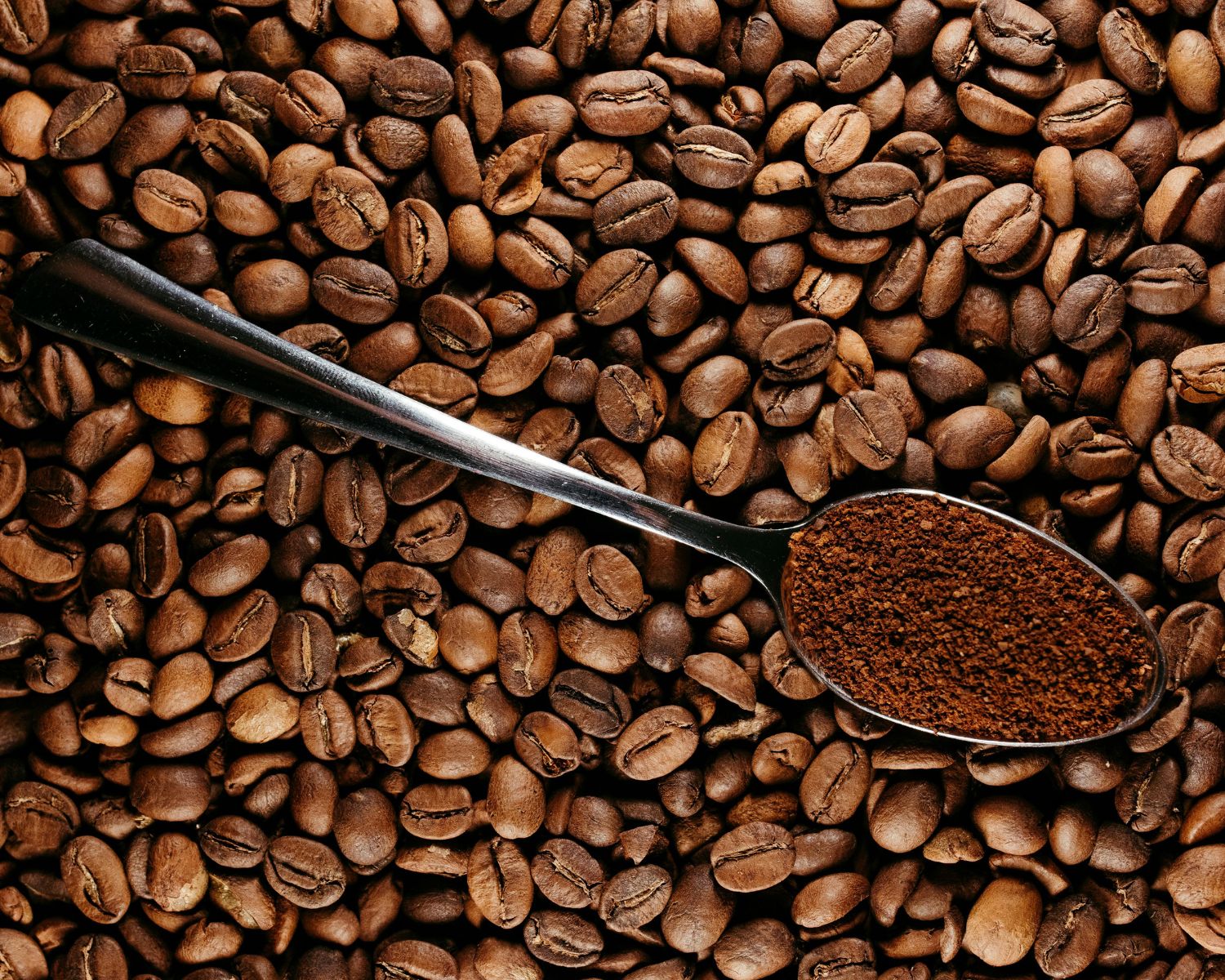
How Important is Coffee for Health?
Coffee. It’s one of the most popular drinks in the world, and for good reason. The smell alone can make a morning feel better, and for many, the first sip is a small ritual that signals the start of the day. But beyond the taste and the caffeine boost, how important is coffee for health? Can it really make a difference, or is it just another beverage people happen to enjoy? Let’s take a closer look.
Coffee: A Morning Necessity or Just a Comfort?
For some people, coffee is non-negotiable. It’s their wake-up call, the little push that helps them get out of bed and start the day. Some claim that missing their morning cup leaves them feeling sluggish, groggy, or even slightly irritable.
Others can go without it entirely. They might enjoy coffee occasionally for taste or warmth but do not rely on it for energy. This shows that coffee’s importance is highly personal. What works for one person may be unnecessary for another.
The key takeaway is that coffee is often as much about the experience as it is about the caffeine. Sitting down with a warm cup, taking a few quiet moments, or using it as a ritual to structure the morning can be just as beneficial as the drink itself.
Benefits You Can Actually Feel
While coffee may not be a cure-all, it does offer several perks that people notice in their daily lives. Here are some of the most common benefits:
- Energy Boost
Perhaps the most obvious benefit is the caffeine content. A cup of coffee can help shake off morning grogginess and give you a boost when you need it. For people with busy schedules, a workout to complete, or a long day ahead, coffee can provide the small push needed to get moving. - Sharper Focus and Mental Clarity
Caffeine is a mild stimulant. That means it can help improve concentration, focus, and mental clarity for a few hours. Many students and professionals rely on coffee to power through tasks or stay alert during long workdays. Even a single cup can make a noticeable difference. - Mood and Comfort
Sometimes it is not just about energy. The warmth, aroma, and taste of coffee can be a comforting ritual. Starting the day with a favorite cup can lift your mood, and the pause in your morning routine can create a small but meaningful moment of calm.
Possible Downsides to Keep in Mind
Like anything, coffee is not without its downsides. It is important to be aware of them so you can enjoy coffee without unintended effects.
- Sleep Disruption
Drinking coffee too late in the day can make falling asleep more difficult. Even if it does not seem to affect you, caffeine can reduce sleep quality and leave you feeling less rested the next morning. - Jitters and Anxiety
Caffeine is a stimulant, and too much of it can cause jitters, nervousness, or a racing heart. People sensitive to caffeine should be mindful of their intake. - Dependence and Withdrawal
Regular coffee drinkers may experience mild withdrawal symptoms if they suddenly stop drinking coffee. Headaches, fatigue, or irritability are common. These effects are generally mild but worth noting if you consider changing your routine. - Cost
Drinking coffee every day, especially from cafes, can add up financially. Even home-brewed coffee requires time and ingredients, which can impact your budget over time.
Overall, coffee is a tool rather than a necessity. Understanding your limits and personal tolerance can help you enjoy it safely.
Long-Term Benefits
Beyond the immediate effects, regular coffee consumption may have benefits that show up over time:
- Liver Health
Studies suggest that coffee may support liver function and help reduce the risk of liver-related issues. While this may not be a reason to start drinking coffee on its own, it is an interesting bonus for those who already enjoy it. - Energy and Circulation
Coffee may support alertness and even circulation. Some people notice that it helps them feel more awake and attentive as they age. A couple of cups a day may provide small but meaningful long-term benefits without being excessive. - Moderation is Key
The phrase “everything in moderation” really applies to coffee. One to two cups a day is often enough to enjoy benefits while avoiding negative effects. Drinking more than that is unlikely to provide extra health benefits and may increase the risk of unwanted side effects.
How Much Coffee is Healthy?
While exact numbers vary depending on individual tolerance, a general guideline is that up to 400 mg of caffeine per day is considered safe for most adults. That is roughly equivalent to 3 to 4 cups of brewed coffee. Keeping within this range is usually enough to enjoy the benefits without major risks.
If you are not used to coffee, starting small is best. A single cup in the morning can provide a noticeable boost without overwhelming your system. You can adjust gradually based on how your body reacts.
Coffee for Energy Without Overdoing It
Some people use coffee strategically, rather than as a habit. For example, drinking a cup before a workout or an important task can maximize the benefits of caffeine. Pairing coffee with a balanced diet, water, and small snacks can also help maintain energy levels without creating dependency.
It’s also possible to enjoy the experience of coffee without relying on caffeine. Decaf options or small, occasional cups can provide comfort and routine while reducing potential downsides.
Coffee Isn’t Essential for Health
At the end of the day, coffee is not essential for health. People can thrive without it, and skipping coffee does not automatically reduce well-being. For some, coffee provides energy, focus, and comfort. For others, it is purely a pleasurable routine.
What matters more than coffee is the bigger picture of daily habits. Sleep, movement, nutrition, and small rituals that make life enjoyable all contribute to overall health. Coffee can enhance these habits, but it is not the foundation of health.
Tips for Enjoying Coffee in a Healthy Way
- Start small and observe how your body responds.
- Drink coffee in the morning or early afternoon to avoid sleep disruption.
- Pair it with water and balanced meals to prevent dehydration or energy crashes.
- Enjoy coffee for taste and comfort rather than obligation.
- Stick to one or two cups a day for long-term benefits without overdoing it.
The Takeaway
Coffee is a versatile drink. It can provide energy, sharpen focus, and create a small but meaningful ritual in your day. It may even support long-term wellness in subtle ways, especially when consumed in moderation.
However, coffee is not a requirement for good health. Some people drink it daily, some occasionally, and some not at all. The most important thing is balance and paying attention to what works for you.
If you enjoy coffee, savor it. If you don’t, don’t worry. Health is about the overall routine, not a single beverage. For many, coffee is simply one of those small pleasures that make mornings a bit brighter.