
How Much Caffeine Is in a Cup of Coffee? A Simple Guide for Everyday Coffee Drinkers
A typical 8-ounce cup of coffee contains about 80 to 100 mg of caffeine, but the actual amount can vary widely. Factors like bean type, brewing method, cup size, and coffee strength all affect how much caffeine you’re getting. Larger café drinks and stronger brews can quickly push your intake higher than expected. For most people, up to 400 mg per day is considered safe, but sensitivity varies, so it’s important to pay attention to how your body responds.
Most of us don’t think twice about pouring a cup of coffee. It’s part of the routine without even thinking if coffee is really good for you or not.
You wake up, make a cup, take a sip, and hope it does its job. But at some point, the question comes up: how much caffeine am I actually drinking?
It sounds like something that should have a clear answer. One cup equals one amount, right? Not exactly.
The amount of caffeine in coffee can vary more than people expect. It depends on how it’s made, what kind of beans are used, and even how big your cup is. Once you understand a few basics, it becomes much easier to get a rough idea of what you’re putting into your body each day.
The Average Caffeine in a Cup of Coffee
If you just want a quick answer, here it is.
A standard 8-ounce cup of coffee usually contains about 80 to 100 milligrams of caffeine.
That’s a helpful starting point, especially if you’re trying to track your intake. But it’s important to remember that this is only an average. Real-life cups of coffee don’t always follow that number.
In fact, many people are drinking more caffeine than they realize, especially when they buy coffee from cafés or make it extra strong at home.
Why Coffee Doesn’t Have a Fixed Caffeine Amount
Coffee is not a one-size-fits-all drink. Small differences in how it’s prepared can change the caffeine level quite a bit.
Here are the main things that affect it.
The Type of Coffee Beans
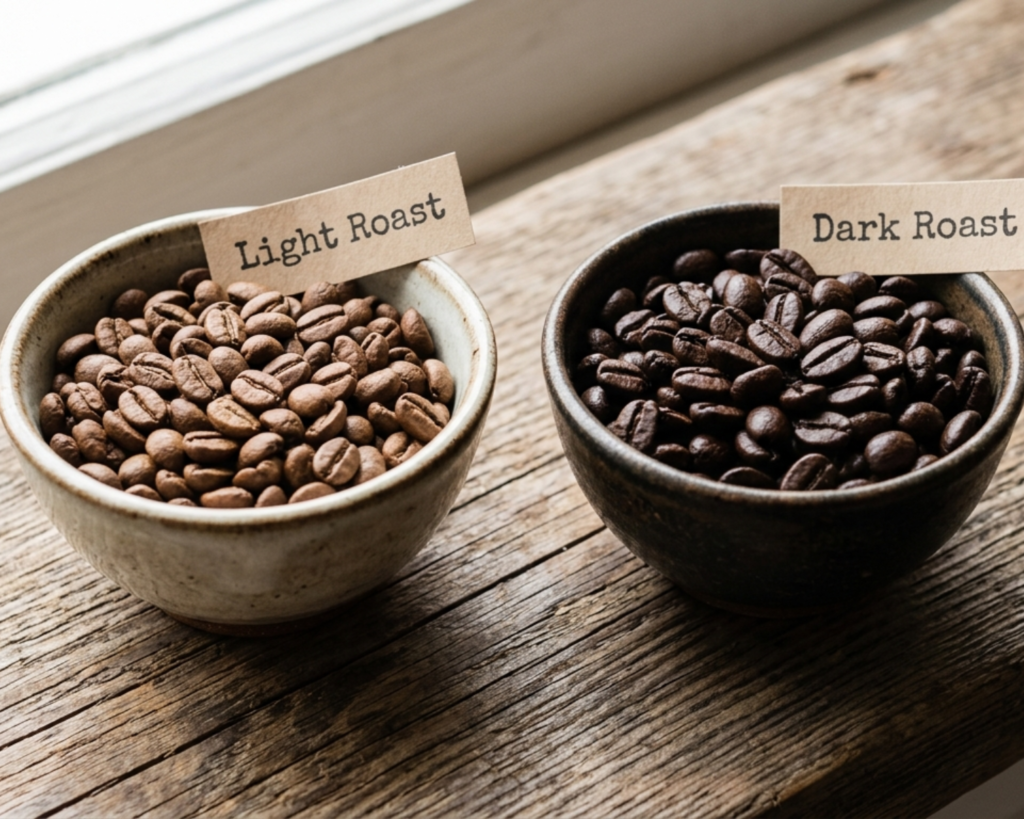
Not all coffee beans are the same. The two most common types are Arabica and Robusta.
Arabica beans are more popular and are often used in cafés and grocery store brands. They tend to have a smoother, slightly sweeter taste and contain a bit less caffeine.
Robusta beans, on the other hand, are stronger and more bitter. They also have a higher caffeine content. Some blends mix the two, which can increase the overall strength of your coffee without making it obvious.
So if your coffee tastes especially bold or intense, there’s a chance it has more caffeine than average.
The Way Your Coffee Is Brewed
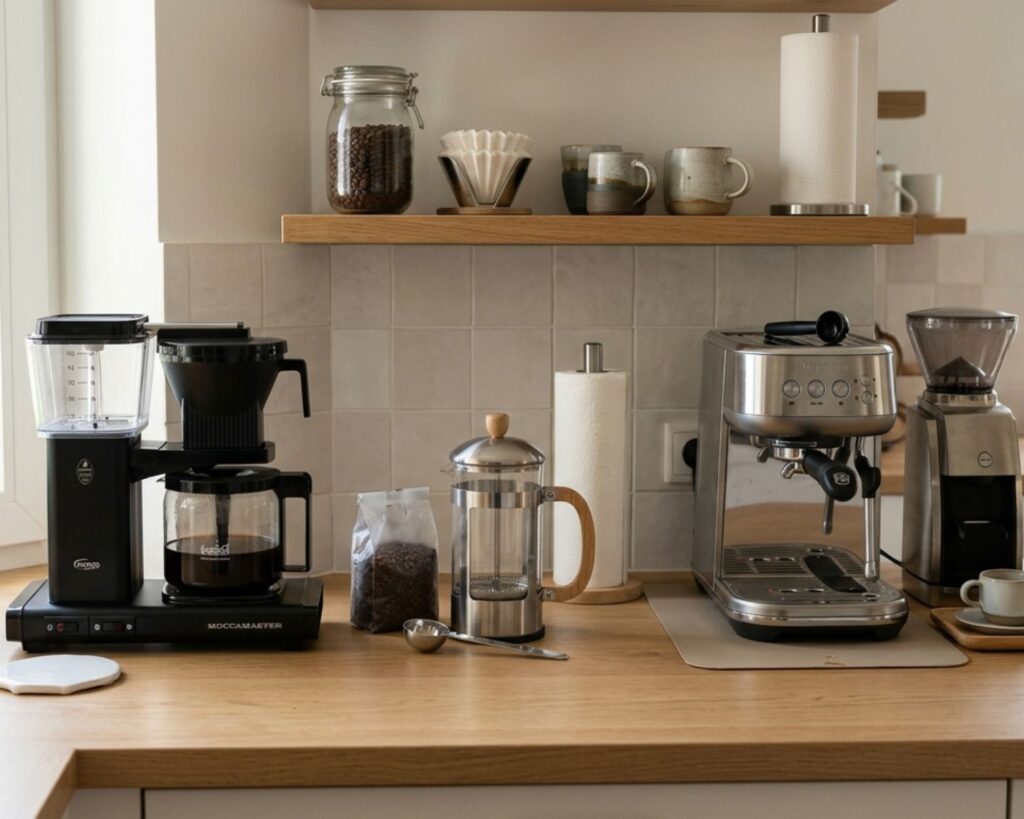
The brewing method makes a noticeable difference in how much caffeine ends up in your cup.
Drip coffee, which is what most people make at home, tends to fall right in the middle. It’s consistent and usually lands close to that 80 to 100 milligram range for an 8-ounce serving.
Espresso is often misunderstood. It is more concentrated, but it’s served in much smaller amounts. A single shot has about 60 to 70 milligrams of caffeine, but since it’s only a small amount of liquid, a full cup of drip coffee usually contains more total caffeine.
French press coffee can be stronger because the coffee grounds stay in contact with the water longer. This allows more caffeine to be extracted.
Cold brew is another one that surprises people. Because it steeps for many hours, it can end up with a higher caffeine content, especially if it’s not diluted.
So even if two drinks look similar, the way they were made can change their caffeine levels quite a bit.
Cup Size Changes Everything
This is one of the biggest reasons people underestimate how much caffeine they’re drinking.
When we say “a cup of coffee,” we often imagine a standard 8-ounce serving. But in reality, most mugs and takeaway cups are much larger.
Here’s a rough idea:
- Small home cup: about 8 ounces
- Medium café cup: around 12 to 16 ounces
- Large takeaway coffee: 20 ounces or more
If your coffee has about 100 milligrams of caffeine per 8 ounces, a 16-ounce drink could easily contain around 200 milligrams. A large cup might push that even higher.
That means one big coffee could already be close to half of your recommended daily limit.
How Strong You Like Your Coffee
Another factor that often gets overlooked is how strong your coffee is.
If you use more coffee grounds and less water, you’re increasing the amount of caffeine in each cup. Some people prefer a bold, rich taste, which usually means a higher caffeine content.
On the other hand, if your coffee is more diluted, it will naturally contain less caffeine.
This is why two people using the same beans and the same brewing method can still end up with very different caffeine levels.
How Much Caffeine Is Considered Safe?
For most healthy adults, up to 400 milligrams of caffeine per day is generally considered safe.
To put that into perspective, that’s roughly:
- About 4 small cups of coffee
- Around 2 large café-style drinks
Of course, this isn’t a strict rule that applies the same way to everyone.
Some people are more sensitive to caffeine and may feel jittery, anxious, or have trouble sleeping even with smaller amounts. Others can drink several cups without noticing much effect.
If you’ve ever felt your heart racing or had trouble relaxing after coffee, it might be a sign to cut back a litt
What About Decaf Coffee?
Decaf coffee is often seen as caffeine-free, but that’s not entirely true.
A typical cup of decaf still contains about 2 to 5 milligrams of caffeine. That’s very small compared to regular coffee, but it’s not zero.
For most people, this amount is low enough that it won’t have much effect. But if you’re trying to completely avoid caffeine, it’s something to keep in mind.
A Real-Life Example
Let’s say you stop by a café and order a medium iced coffee.
Depending on how it’s brewed and how strong it is, you could be drinking anywhere from 150 to 250 milligrams of caffeine in that one cup.
If you have another coffee later in the day, you might already be reaching your daily limit without realizing it.
If you want a simple breakdown of how caffeine levels compare across different coffee types, this
easy-to-read guide explains it clearly and can help you get a better sense of what you’re drinking.
Final Thoughts
So, how much caffeine is in a cup of coffee?
The simple answer is around 80 to 100 milligrams for a standard cup. The more realistic answer is that it depends on several small factors that can add up quickly.
The type of beans, the brewing method, the size of your cup, and how strong you make it all play a role.
You don’t need to measure every cup or keep a strict count. But having a general idea of these differences can help you stay within a range that feels good for you.
At the end of the day, coffee is meant to be enjoyed. Once you understand what’s in your cup, it becomes much easier to enjoy it without overdoing it.