What Cups Do Coffee Shops Use?
I spend a slightly embarrassing amount of time hovering by the hand-off counter waiting for my morning coffee. The other day, while zoning out at the sheer variety of mugs and to-go cups stacked behind the espresso machine, a surprisingly nerdy thought crossed my mind: why do coffee shops choose the specific cups they do? Most of us just grab our caffeine and run, but that vessel is doing a lot of heavy lifting. It’s not just about matching the cafe’s indie aesthetic. What your drink is served in actually changes how it tastes, how it feels in your hand, and how long it stays hot. Let’s nerd out for a minute and break down the surprisingly intentional world of coffee shop cups, what they’re really made of, and why your local barista’s choice of drinkware actually makes a huge difference to your daily brew.
Types of Cups in Coffee Shops
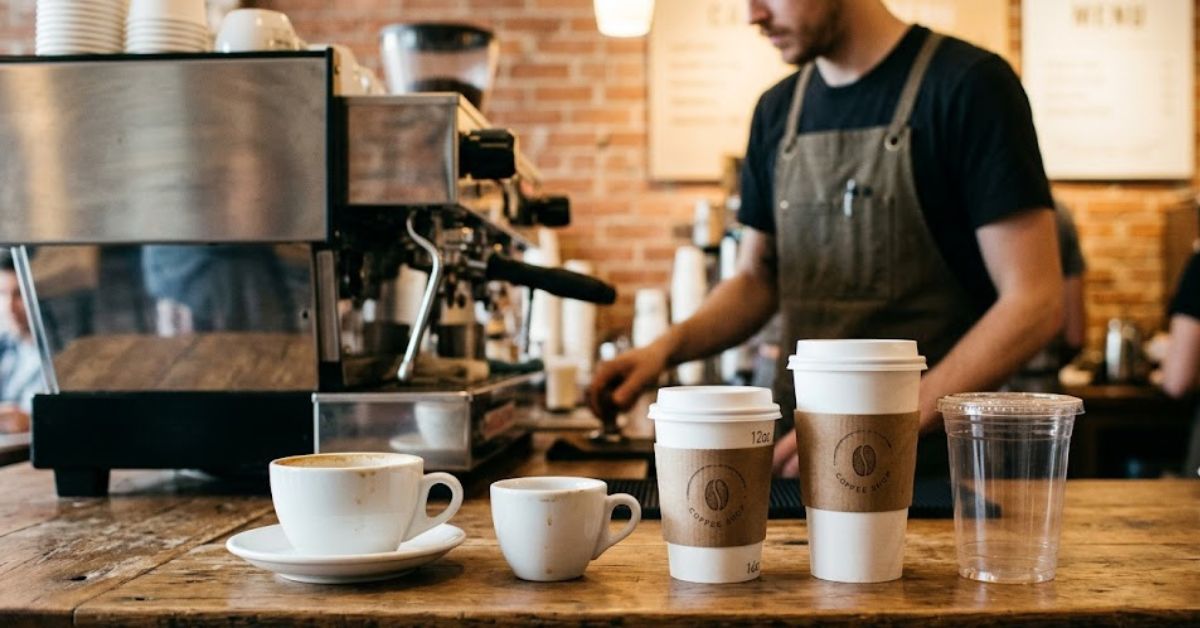
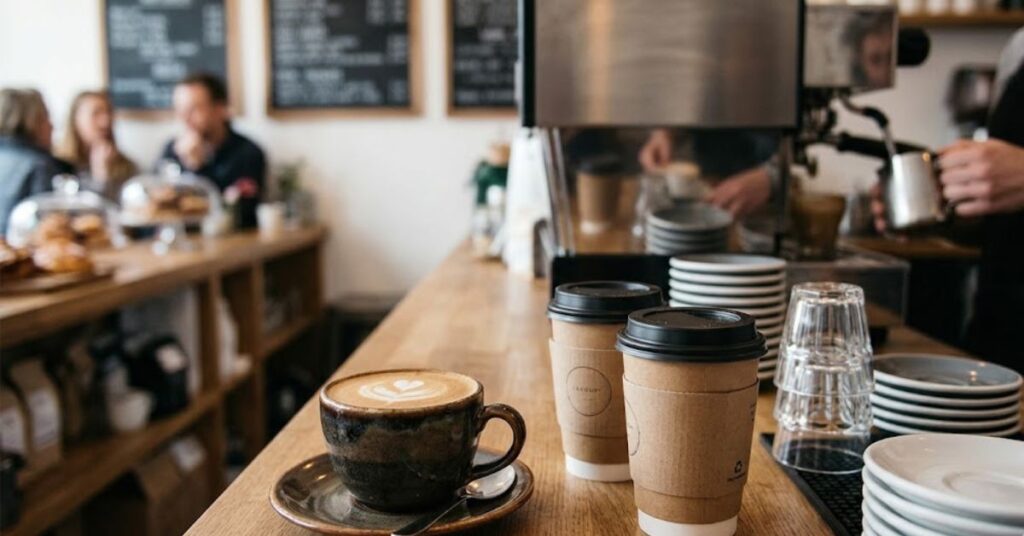
When you order coffee, you might find several types of cups, each serving a unique purpose. The most common types include paper cups, ceramic mugs, glass cups, and stainless steel tumblers. Each type carries distinct characteristics that affect both the drinking experience and the coffee itself.
Paper Cups
Paper cups are ubiquitous in coffee shops, especially for to-go orders. They are lightweight, easy to mass-produce, and generally cost-effective. Most disposable paper cups are lined with plastic to prevent leaks.
Why do coffee shops prefer paper cups? The primary reasons are convenience and low cost. However, a common misconception is that all paper cups keep coffee hot equally. In reality, double-walled paper cups provide better insulation than single-walled ones, reducing heat loss and preserving the temperature of your drink longer.
Ceramic Mugs
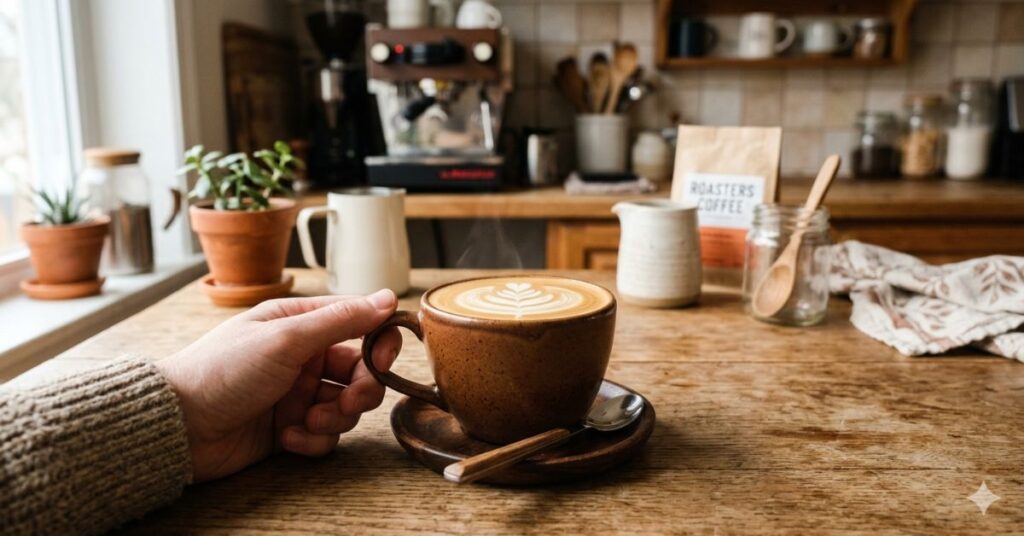
For in-cafe consumption, many coffee shops choose ceramic mugs. These cups are durable and usually designed with the shop’s branding. The primary advantage of ceramic is its ability to retain heat effectively, allowing coffee to stay warmer while you sip.
A key consideration when using ceramic mugs is weight. They can feel heavy, and some customers may prefer lighter alternatives. Still, ceramic remains the go-to choice for quality beverages, as it minimizes flavor interference unlike some plastics, which can alter the taste profile of the coffee.
Glass Cups
Glass cups have gained popularity in specialty coffee shops, especially for visible coffee beverages like lattes and cappuccinos. The transparency of glass showcases the layers of espresso and froth, appealing visually to customers.
While glass cups can elevate presentation, they come with trade-offs. They are more fragile than both paper and ceramic options, which may pose challenges in busy settings. Additionally, glass does not insulate as well as ceramic, potentially leading to a quicker temperature drop. A common mistake for customers is to underestimate the rapid cooling effect; an iced coffee can become too warm if left unattended in a glass cup.
Stainless Steel Tumblers
Stainless steel tumblers are often used for specialty drinks or during outdoor events. They offer exceptional insulation and are reusable, making them environmentally friendly. These tumblers can keep both hot and cold beverages at their intended temperature for extended periods.
One of the misconceptions surrounding stainless steel tumblers is that they affect the flavor of the coffee. However, high-quality stainless steel is non-reactive, meaning it does not alter the taste. On the downside, their metallic finish may not appeal to those looking for a more traditional coffee experience.
Why the Cup Material Matters
Choosing the right cup material impacts more than just aesthetics; it affects taste, temperature retention, and overall consumer satisfaction. Each material has advantages and disadvantages, so understanding these can help coffee shops tailor the experience they offer.
For instance, temperature control is crucial for maintaining the coffee’s flavor profile. If a customer orders a cappuccino, a ceramic mug is preferable as it keeps the drink hot longer. If they’re on the go, though, a double-walled paper cup is better suited for minimizing heat loss.
Common Mistakes Coffee Shops Make
Many coffee shops overlook the effect of cup selection and how it aligns with customer preferences. For instance, using a lightweight, single-walled paper cup for hot drinks can lead to complaints about the coffee cooling too quickly or the cup becoming too hot to hold. Customers expect a certain quality, and failing to meet that expectation can affect loyalty.
Another mistake is not considering eco-friendly options. Many consumers are increasingly conscious of sustainability. Offering reusable cups or biodegradable options can enhance customer loyalty while also positioning the shop as environmentally responsible.
Which Cup Option Is Best? A Practical Comparison
When evaluating cup options, it’s essential to prioritize the context in which they will be used. For coffee shops with a high volume of takeout orders, double-walled paper cups are often best, as they combine ease of use and practicality. For those focused on in-shop service, investing in attractive ceramic mugs enhances the overall experience.
If a shop emphasizes presentation, then glass cups can create a lasting impression. Lastly, for businesses that prioritize sustainability, stainless steel tumblers are ideal, but they may not suit every beverage type due to their metallic flavor profile.
Conclusion
Understanding the nuances of coffee shop cups can significantly impact customer experience. From the insulation properties of ceramic to the eco-friendliness of stainless steel, each choice has implications for the coffee served. If you’re managing a coffee shop, consider how each cup type aligns with your service model and customer preferences. Experiment with options, but for immediate effectiveness, starting with ceramic mugs for in-shop sipping can yield a warm and comforting ambiance. For takeout, double-walled paper cups are your best bet to keep coffee hot and customers satisfied.