Why Do Coffee Shops Charge Extra for Oat Milk?
The Hidden Costs of Oat Milk in Your Morning Brew
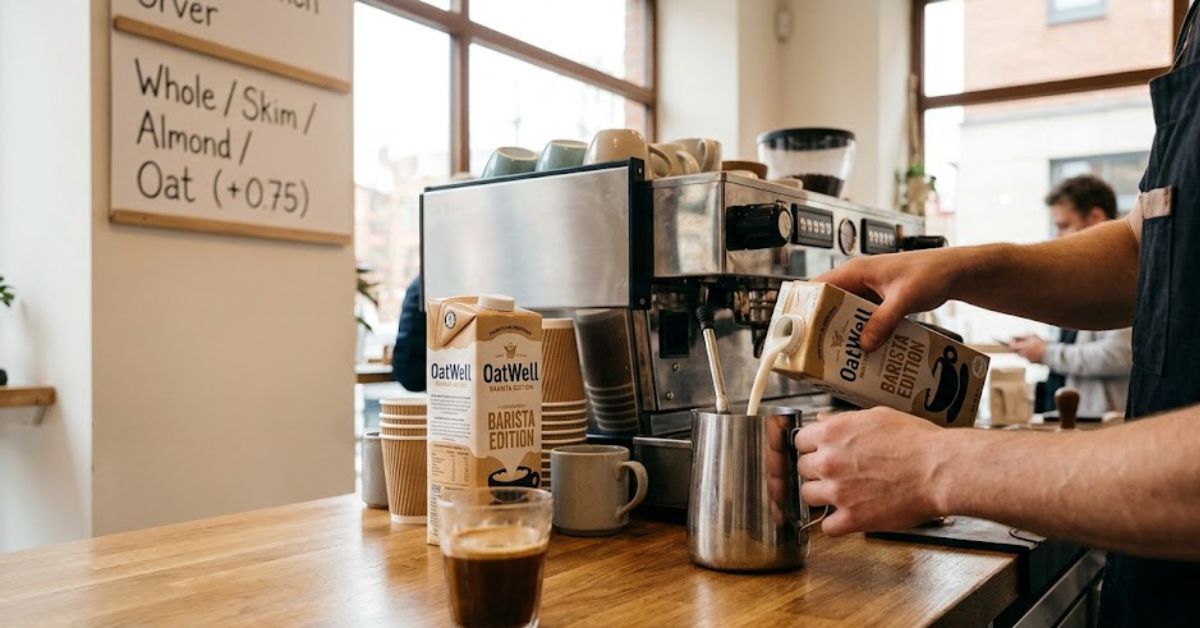
It happens every time I step up to the register for my morning latte. I ask for oat milk, the barista nods, and that familiar little surcharge which is usually fifty cents or a buck that pops up on the screen. We’ve all kind of just accepted it as part of the daily coffee routine, but lately, I’ve been genuinely curious about what’s actually driving that extra cost. Oat milk is absolutely everywhere these days, so why exactly are we still paying a premium just to swap out the dairy?
Understanding why oat milk is priced higher than regular dairy milk requires a closer look at the economics of coffee shops, the production costs of oat milk, and consumer preferences.
Oat Milk Production: The Economics Behind the Price
A significant factor in why oat milk costs more is its production process. Oat milk is made by blending oats with water, then straining the mixture. While this seems straightforward, producing oat milk on a large scale involves various costs, including sourcing organic oats, processing, and packaging.
Why does this matter? The increase in demand for dairy alternatives leads to higher production costs because companies need to meet these demands while ensuring quality. Regular dairy milk, on the other hand, is often produced at a much larger scale with established supply chains, which can reduce costs.
Additionally, oat milk often requires fortification with vitamins and minerals to match the nutritional content of dairy milk. This means extra processing steps and ingredient costs passed on to consumers. When you order your oat milk latte, you’re not just paying for the milk; you’re paying for the combined expenses from its farm to your cup.
Consumer Demand and Market Trends
The rise in popularity of plant-based diets has made oat milk a star player in coffee shops worldwide. It’s become the go-to option for those avoiding dairy, whether for health reasons or ethical concerns. According to market research, oat milk sales have skyrocketed, which plays a crucial role in its pricing.
High demand can lead to higher prices. For many coffee shops, offering oat milk signals they cater to evolving customer preferences, giving them an edge over competitors. While it may feel frustrating to pay more at the register, this extra charge helps the shop recoup the costs associated with sourcing and preparing this trendy alternative.
Measuring the Trade-Off: Oat Milk vs. Dairy Milk
When you evaluate whether to spend that extra money on oat milk, consider the trade-offs. Dairy milk is often cheaper and more readily available, making it a staple in many coffee shops. However, here’s where oat milk shines:
1. Flavor and Texture: Oat milk has a creamier texture than almond or soy milk. It enhances the mouthfeel of beverages, particularly lattes, making it a popular choice among coffee enthusiasts.
2. Environmental Impact: Oat milk production has a lower carbon footprint than dairy milk. For environmentally-conscious consumers, paying extra can be seen as a conscious choice to support sustainability.
3. Allergens: Oat milk is nut-free, making it suitable for individuals with nut allergies, unlike almond or cashew alternatives.
Understanding these differences can help justify the extra cost for some consumers, while others may choose to stick with dairy or cheaper alternatives.

Common Misconceptions About Oat Milk Pricing
A frequent misconception is that coffee shops raise oat milk prices purely for profit. While profit margins are important to any business, the reality includes multiple factors.
– Cost of Ingredients: Many believe oat milk should be priced similarly to dairy simply because both are liquids. However, the ingredients and labor in producing oat milk drive the price higher.
– Consumer Behavior: Some anticipate that if a product is trendy, the price should be lower to encourage trial. This doesn’t take into account that trendy products often lead to increased demand, which influences prices upward.
Recognizing these misconceptions helps consumers make informed choices when ordering.
Which Milk Alternative is Best for You?
Choosing between dairy, oat milk, and other alternatives involves personal preference and lifestyle choices. Here’s a quick breakdown:
1. Dairy Milk: Often the cheapest and most accessible option, ideal for those who prefer traditional flavors.
2. Oat Milk: Great for those who want creamy beverages and are mindful of dietary restrictions or environmental impact.
3. Almond Milk: A low-calorie option but can be less creamier. It’s also nut-based, which excludes a segment of consumers.
4. Soy Milk: A popular dairy alternative with a similar protein content to cow’s milk but can have a distinct taste.
Deciding which to choose hinges on factors like dietary needs, taste preferences, and budget.
Practical Next Steps for Coffee Lovers
As you navigate your coffee shop experiences, consider trying oat milk for a few reasons: its unique flavor, the environmental benefits, and the potential health advantages. If you’re hesitant about the added cost, start with a small drink to see if you enjoy oat milk’s creamy texture without committing to a full latte.
Also, look for promotions or loyalty programs in your coffee shop of choice. These can make trying oat milk more affordable, allowing you to explore the milk’s benefits without a significant financial investment.
Conclusion: Why Choose Oat Milk?
The extra charge for oat milk at coffee shops stems from various factors, including production costs, market demand, and evolving consumer preferences. Understanding the reasons behind this pricing can help clarify your choices when ordering.
Next time you’re at the coffee shop, consider trying oat milk if you haven’t already. Pay attention to its unique flavor and creamy texture, which many find adds a richer dimension to their favorite drinks. This exploration not only enhances your coffee experience but also aligns with growing trends toward sustainability and health-conscious choices.