
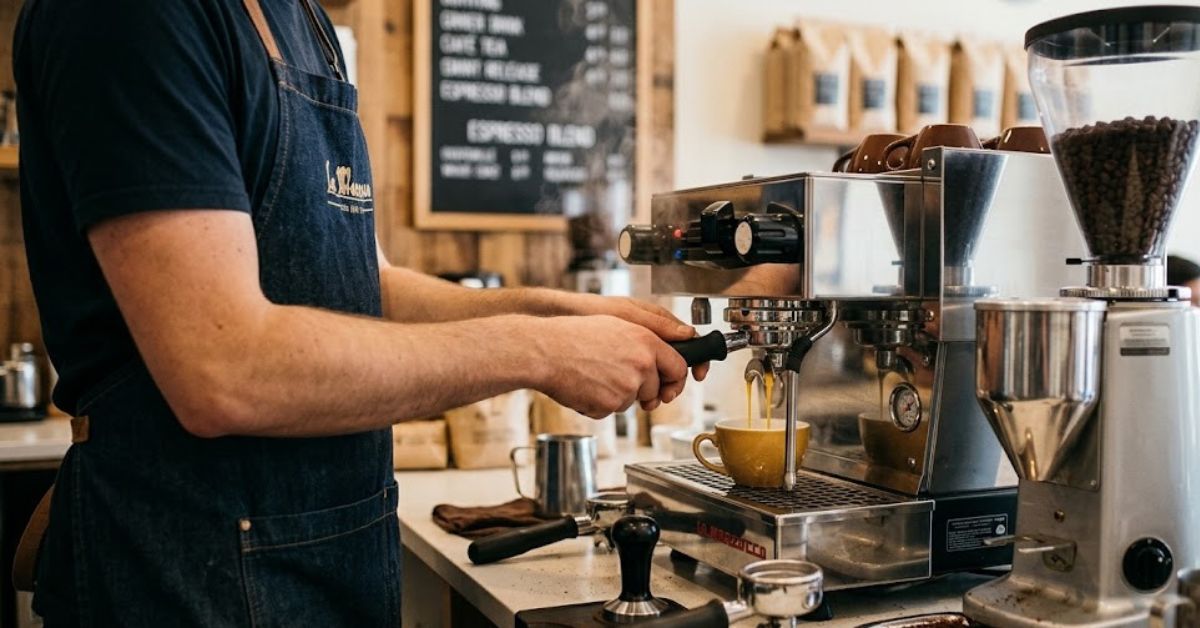
Why Does Coffee Taste Better at Coffee Shops?
Introduction
You know that feeling when you grab a cup from your favorite local spot, take that first sip, and it’s just… perfect? It’s balanced, deeply flavorful, and has this magical quality that somehow completely escapes your own kitchen. It’s a little frustrating, honestly. You buy the exact same beans, you weigh everything out, yet your morning mug always falls just a little short of that café magic. It turns out, creating that flawless cup isn’t simply about throwing good beans into hot water. There’s a whole unseen world of dialed-in equipment, precise water chemistry, and barista intuition at play that makes their coffee taste miles better than what we brew at home.
Freshness of Ingredients
The first major differentiator is the freshness of the coffee beans. Coffee shops typically use beans that are roasted recently, possibly within a few days to a week before brewing. At home, you might find yourself using old beans that have been sitting in a drawer for weeks. Stale coffee loses its vibrant flavors and aromas, resulting in a dull cup.
The roast date matters. For optimal taste, use beans within two to four weeks of roasting. Many coffee shops provide roast dates on their bags, ensuring you enjoy freshness. If you want to replicate this at home, look for local roasters or specialty shops with turnover.
Brewing Techniques
Coffee shops employ various brewing methods, often sticking to more precise techniques like pour-over, espresso, or even siphon brewing. Each method allows for different extraction rates, leading to unique flavor profiles.
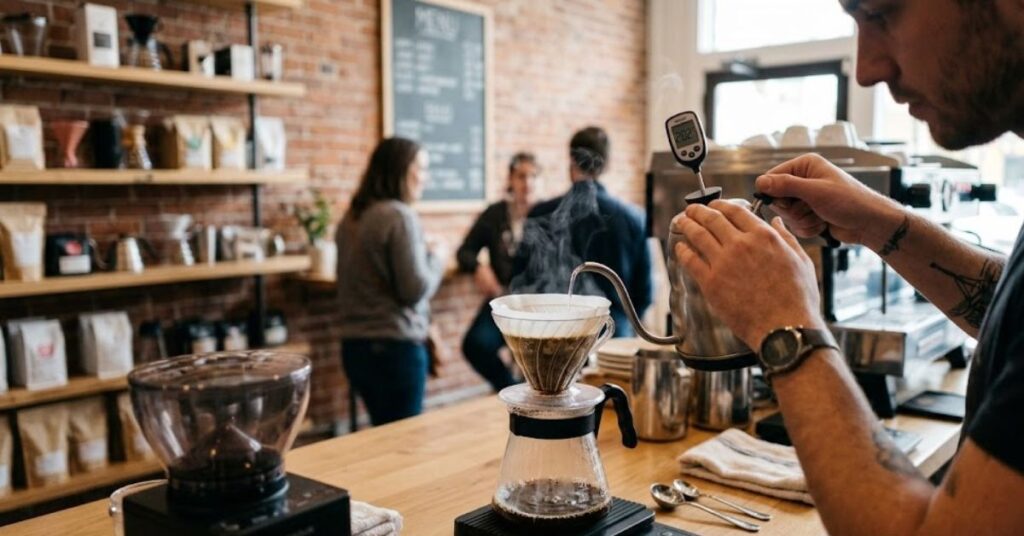
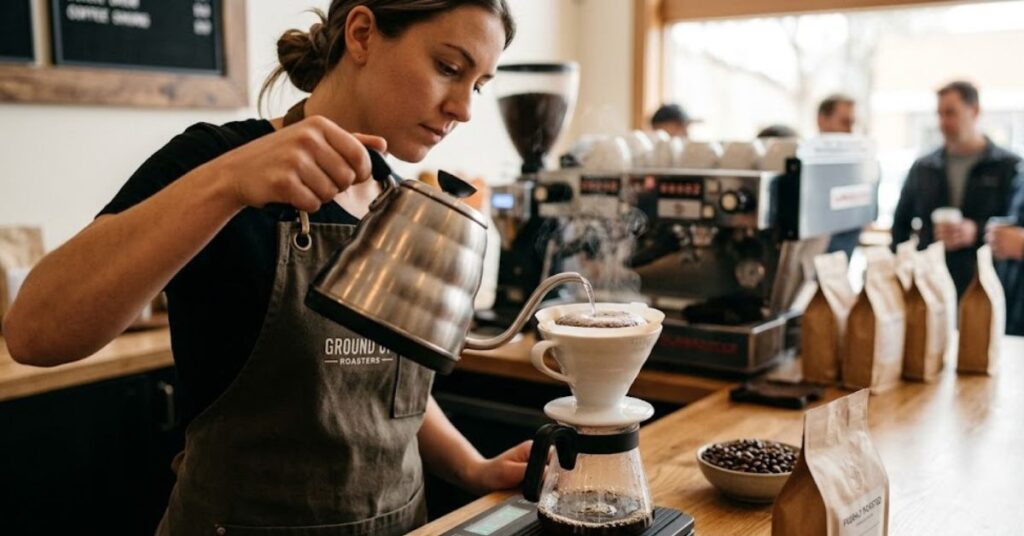
For instance, a pour-over method allows the water to flow evenly over coffee grounds, extracting flavors uniformly. The ideal ratio for a pour-over is about 1:15, meaning for every gram of coffee, you should use 15 grams of water. Many home brewers stick to basic drip machines, which may not control water temperature or timing as effectively.
A common mistake at home is ignoring water temperature. The optimal range for brewing most coffee is between 195°F to 205°F (90°C to 96°C). If water is too hot, it can scorch the coffee; too cold, and it won’t extract enough flavor, leading to bland results.
Quality of Water
Water used in brewing can significantly impact taste. Many coffee shops filter their water, ensuring it is free from impurities that can affect flavor. Home brewers often overlook this, using tap water that may contain chlorine or other minerals that mask coffee’s true flavor.
Using filtered water can elevate your home brewing. Strive for a TDS (Total Dissolved Solids) concentration of about 75-250 mg/L for optimal flavor. Remember that the quality of your water should be a priority if you want to replicate that café taste at home.
Precision in Measurements
Coffee shops often weigh their coffee and water for precise measurements. This careful attention to detail creates a consistent brewing experience. Many home brewers skip this step, opting for approximate measurements, which can lead to imbalances in flavor.
Investing in a digital scale can make a significant difference. For espresso, the ideal coffee-to-water ratio is around 1:2. This means 18 grams of coffee should yield about 36 grams of espresso. When measurement is consistent, each cup becomes more enjoyable.
Expertise and Experience
Baristas undergo training to master the art of coffee brewing. Their expertise in timing, grind size, and extraction is unmatched in the home setting. A common misperception is that brewing coffee is straightforward, but small adjustments can lead to vastly different results.
For example, if the grind size is too coarse for your brewing method, water passes through too quickly, leading to under-extraction. On the other hand, a fine grind in a French press will result in over-extraction, making your coffee bitter. Refining your grind size according to the brewing method can make your home coffee more aligned with café quality.
Flavor Profiles and Creativity
Coffee shops actively curate their coffee beans based on specific flavor profiles, showcasing different origins and roasts. Using tasting notes like brightness, body, and sweetness, they create a diverse menu that encourages exploration. As a home brewer, you may often stick to a single blend or roast without experimenting.
To replicate this creativity, start by sampling various Single Origin coffees. Look for tasting notes and try to identify different flavors in each cup. Understanding coffee’s complexity opens new horizons and can make at-home brews as exciting as those from a café.
Common Mistakes to Avoid
There are several pitfalls that home brewers often encounter, resulting in disappointing coffee. Here are a few to watch out for:
- Using stale beans: Always check roast dates and buy in smaller quantities to ensure freshness.
- Skipping proper measurements: Invest in a scale to eliminate guesswork in your ratios.
- Not controlling water temperature: Use a thermometer or an electric kettle with temperature control to get it right.
- Ignoring grind size: Match your grind to the brew method for optimal extraction.
Which Option is Best?
Choosing the right brewing method depends on your preferences and patience levels. For a café-like experience, consider the following options:
Espresso Machine
Best for: Enthusiasts who appreciate precision and rich flavor.
Pros: Offers a concentrated flavor and is versatile for drinks like cappuccinos and lattes.
Cons: Requires significant investment and regular maintenance.
Pour-Over
Best for: Those who enjoy a hands-on approach to brewing.
Pros: Allows control over water flow and extraction.
Cons: Can be time-consuming and requires specific equipment.
French Press
Best for: Brew-at-home enthusiasts looking for full-bodied flavor.
Pros: Simple to use, requires no special equipment.
Cons: Can lead to a gritty cup if not filtered properly.
Conclusion
Café coffee transcends mere brewing; it’s a blend of fresh ingredients, precise techniques, and expert knowledge. If you’re seeking that barista-level taste at home, focus on ingredients, measurements, and techniques. Start with fresh beans and experiment with different brewing methods. For your first steps, invest in a digital scale and try a pour-over for immediate improvement. Embrace the learning process, and soon your home brews could rival your favorite coffee shop.