
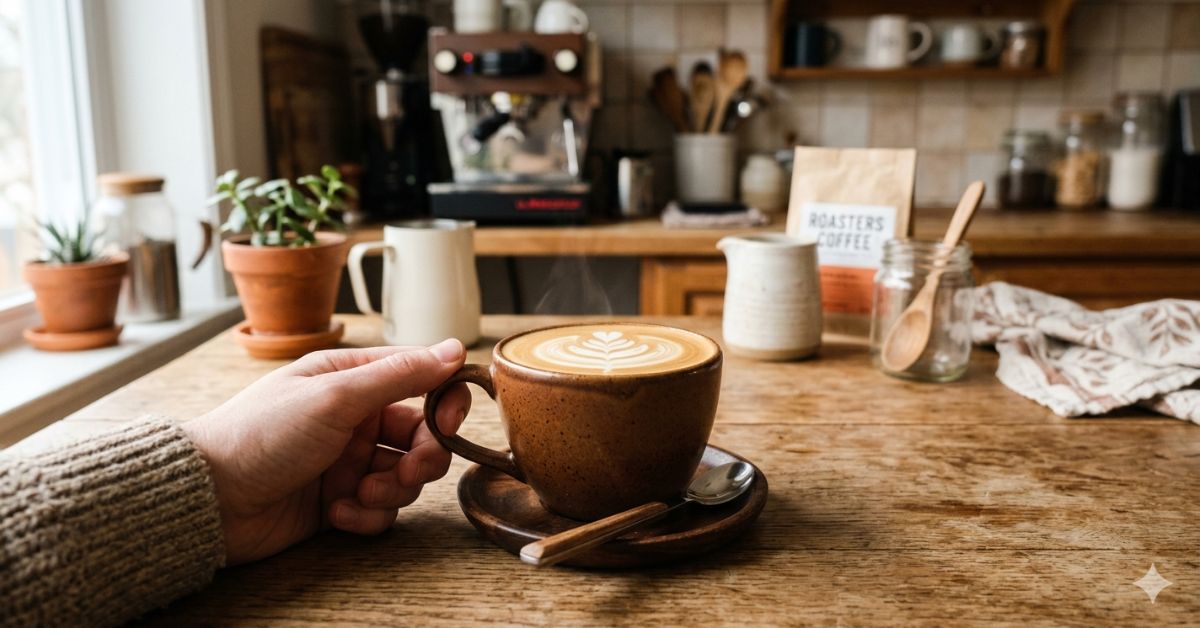
How to Make Coffee: From Basic Brews to Better-Tasting Cups
There’s a quiet difference between drinking coffee and actually enjoying it. Most people start with convenience: instant mixes, drip machines, maybe a splash of flavored creamer. But at some point, you realize your daily cup could taste a lot better with just a few small changes
But making great coffee isn’t complicated. It’s about understanding your preferences, using the right method, and avoiding a few common mistakes.
Let me walk you through on how to make coffee in a way that actually tastes good—and feels worth your time.
Start With What You Like (Not What’s “Correct”)
Before getting into techniques, it helps to accept one thing: there’s no single “right” way to drink coffee.
Some people enjoy it bold and sweet, piling in sugar and cream until it becomes almost dessert-like. Others prefer it black and intense. There are even those who swear by flavored additions like vanilla creamers, despite debates about their ingredients versus their taste.
The point is simple: your ideal cup starts with your preference. Everything else is just refinement.
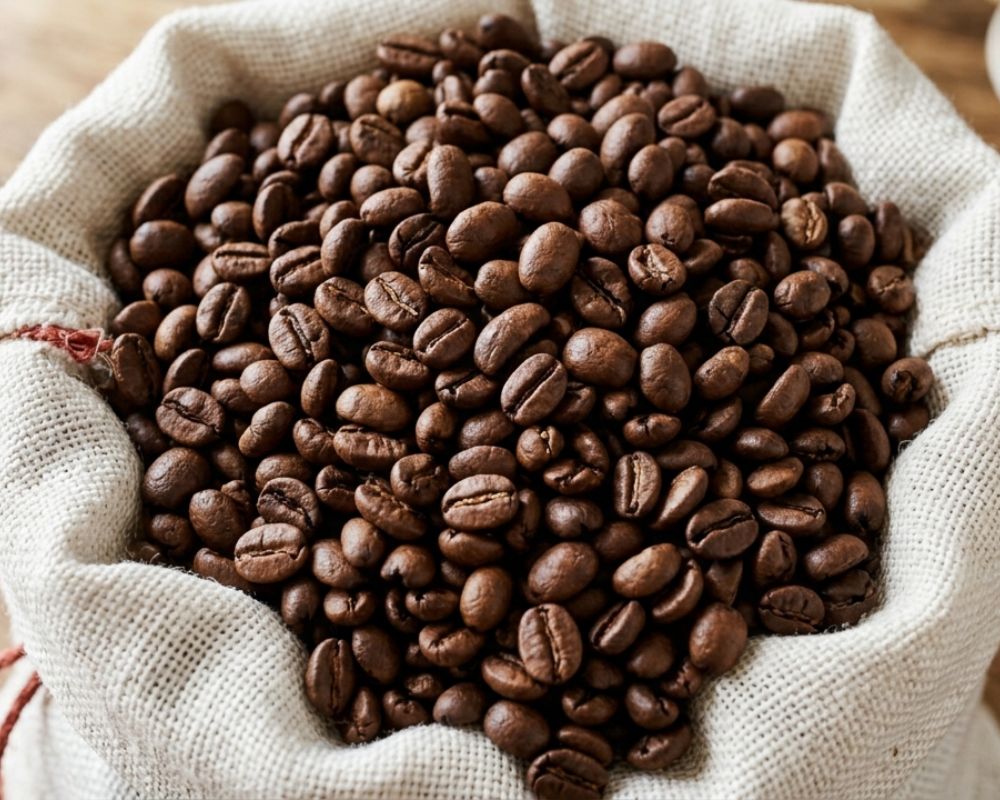
Step 1: Choose Your Coffee Beans
The foundation of good coffee is, unsurprisingly, the coffee itself.
What to look for:
- Arabica vs. Robusta
Arabica beans tend to be smoother and more flavorful. Robusta is stronger and more bitter. Many coffee drinkers lean toward Arabica for everyday use. - Freshness matters more than price
You don’t need to spend a fortune. Even moderately priced beans can taste great if they’re fresh. - Whole beans vs. pre-ground
Grinding your own beans gives better flavor, but pre-ground works fine if convenience matters more.
Step 2: Pick Your Brewing Method
This is where coffee gets interesting. Different methods create completely different experiences.
1. Drip Coffee (The Everyday Standard)
- Easy and consistent
- Great for making multiple cups
- Common issue: weak, watered-down flavor if you use too little coffee
Tip: If your drip coffee tastes bland, try increasing the coffee-to-water ratio.
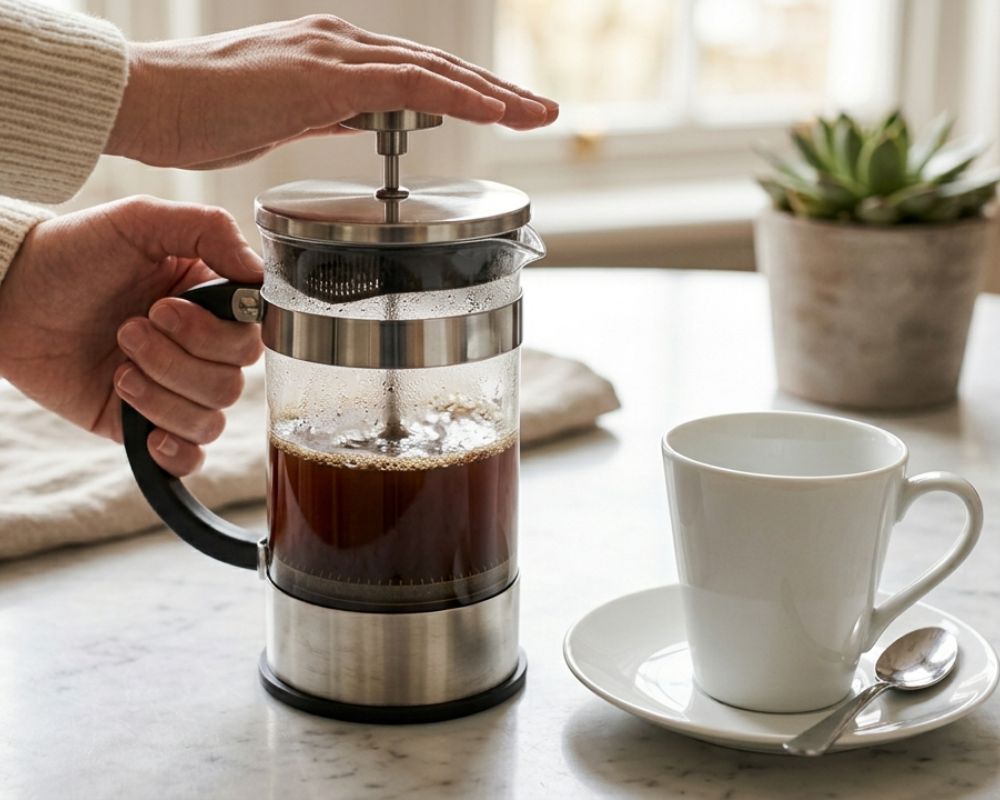
2. French Press (Rich and Full-Bodied)
- Produces a thicker, more textured cup
- Feels more intentional—almost like a ritual
Many people treat French press coffee as a “weekend” option because it takes more time, but the payoff is worth it.
3. AeroPress (Balanced and Versatile)
- A mix between French press and filtered coffee
- Smooth, strong, and quick
It’s often recommended as a practical upgrade if you want better coffee without investing in expensive machines.
4. Espresso Machines (For Precision and Control)
- Produces concentrated, café-style coffee
- Ideal for lattes, cappuccinos, and iced drinks
Some home brewers swear by grinding beans fresh and using lighter roasts for better results.
5. Moka Pot (Strong and Stovetop-Friendly)
- Creates a bold, espresso-like brew
- Doesn’t require electricity
A favorite for those who want intensity without a full espresso setup.
6. Cold Brew (Smooth and Low-Acid)
- Steeped overnight in cold water
- Stored in the fridge for convenience
Perfect if you like your coffee chilled and less bitter.
Step 3: Get Your Ratios Right
One of the most common mistakes is using too little coffee.
A good starting point:
- 1 to 2 tablespoons of coffee per 6 oz of water
If your coffee tastes weak, don’t blame the machine—adjust the ratio first.
Step 4: Pay Attention to Water and Temperature
It sounds minor, but it makes a big difference.
- Use filtered water if possible
- Ideal temperature: 90–96°C (just below boiling)
- Avoid boiling coffee for too long unless you intentionally want an extremely strong, almost burnt flavor
(Some people do boil it aggressively for a very dark, intense brew. But that’s more of a personal preference than a recommended method.)
Step 5: Customize Your Coffee
This is where personality comes in.
Common add-ins:
- Milk or full cream for richness
- Sugar or honey for sweetness
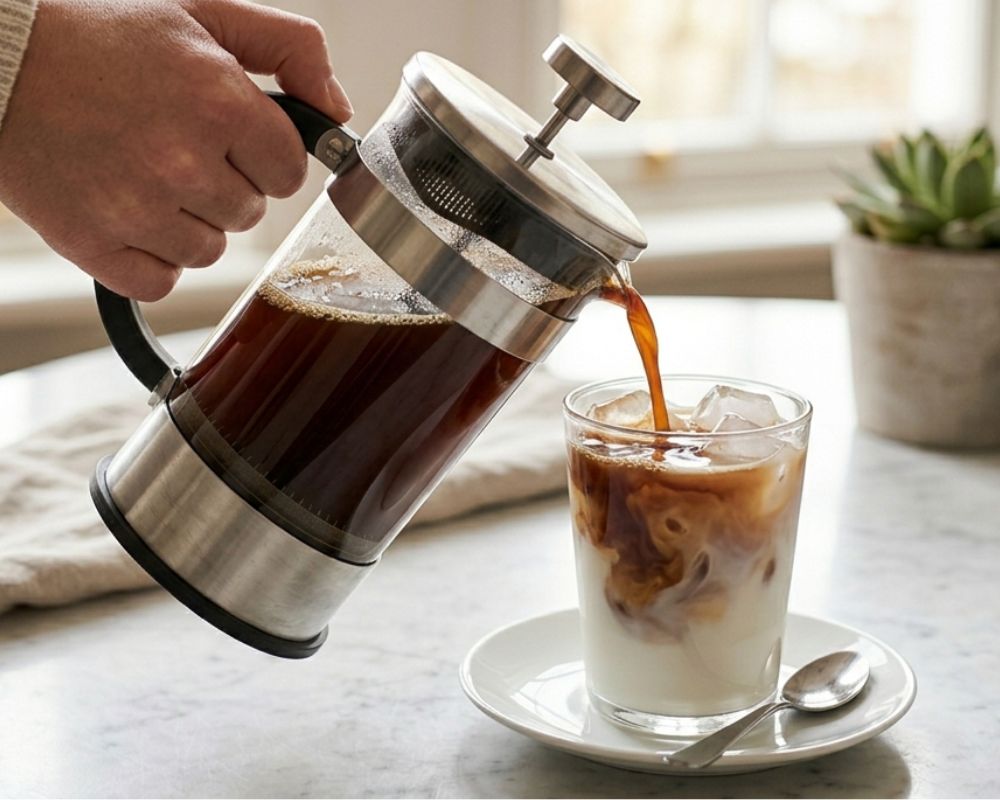
- Ice for a refreshing variation
- Flavored creamers (like vanilla) for a dessert-like twist
Some combinations like iced coffee with vanilla flavoring are especially popular because they balance sweetness and bitterness well.
Others keep it simple:
- A shot of espresso over milk with a little sugar and ice
- Or just coffee and water, nothing else
Step 6: Keep Your Equipment Clean
This step is often overlooked.
Old coffee oils build up inside machines and can ruin the taste of fresh brews. Regular cleaning ensures:
- Better flavor
- More consistent results
- Longer-lasting equipment
A Few Real-World Truths About Coffee
If you listen to how people actually make coffee day-to-day, a few patterns show up:
- Convenience often wins (button machines, drip coffee, pods)
- “Perfect” coffee is less important than reliable coffee
- Preferences vary wildly—from ultra-sweet to intensely bitter
- The best method is the one you’ll actually use consistently
Final Thoughts: Make Coffee That Works for You
You don’t need expensive gear or complicated techniques to make a good cup of coffee. What matters is understanding a few basics: good beans, proper ratios, and a method you enjoy.
From there, it becomes personal.
Maybe you’ll stick with a simple drip machine. Maybe you’ll experiment with a French press on weekends. Or maybe you’ll perfect an iced vanilla coffee that becomes your daily ritual.
Whatever direction you take, the goal isn’t perfection. It’s a cup you genuinely look forward to.
And once you find that, coffee stops being just a habit and starts becoming something you actually enjoy.

Author: Kei Em Cee
I’m Kei Em Cee, and honestly? I’m just a coffee enthusiast exploring the world one cup at a time. I am not a world-class barista or a coffee scientist! I’m just someone who loves a great brew and wants to see how much better a daily ritual can get. From testing out new beans to figuring out why my French Press tastes better on some days than others, I’m learning as I go. Whether you're a lifelong black coffee drinker or someone who loves a splash of vanilla, I’m just here to share what I find along the way. Let’s see where the next bag of beans takes us.