

How Do Coffee Shops Make Money?
Have you ever walked into a coffee shop, ordered a latte, and wondered how the cute little place makes enough money to stay open? Many assume that selling coffee is an easy way to profit, but there’s much more going on behind the scenes. Understanding the various revenue streams can shine a light on how these shops survive and thrive in a competitive market. Let’s unpack the critical ways coffee shops generate income.
1. Product Sales: The Foundation of Revenue
The primary revenue source for coffee shops is product sales, mainly brewed coffee, espresso-based drinks, and pastries. A well-managed coffee shop often offers a variety of beverages, differentiating between standard and premium options. For example, while a regular cup of coffee can sell for around $3, a specialty iced mocha may fetch $5 or more.
Item pricing is one area where coffee shops can maximize earnings. Pricing strategies often include markup tactics; espresso drinks typically see a higher profit margin compared to brewed coffee. A common mistake made by some shop owners is underpricing their premium options, believing lower prices will attract customers. However, strategic pricing, combined with effective marketing, usually get better financial results.
2. Upselling and Customization Opportunities
Another way coffee shops enhance their revenue is through upselling and customization. For instance, baristas can suggest add-ons like whipped cream, flavored syrups, or alternative milk options. These small additions can significantly increase the average ticket sale. Research shows that upselling can boost revenue by 10-15% per transaction, making it a powerful tactic.
A common misconception is that customers prefer simplicity in ordering. However, many enjoy personalizing their drinks and are willing to pay a little extra for those customizations. Training staff to effectively communicate these options can lead to greater sales without overwhelming the customer.
3. Food and Snack Offers
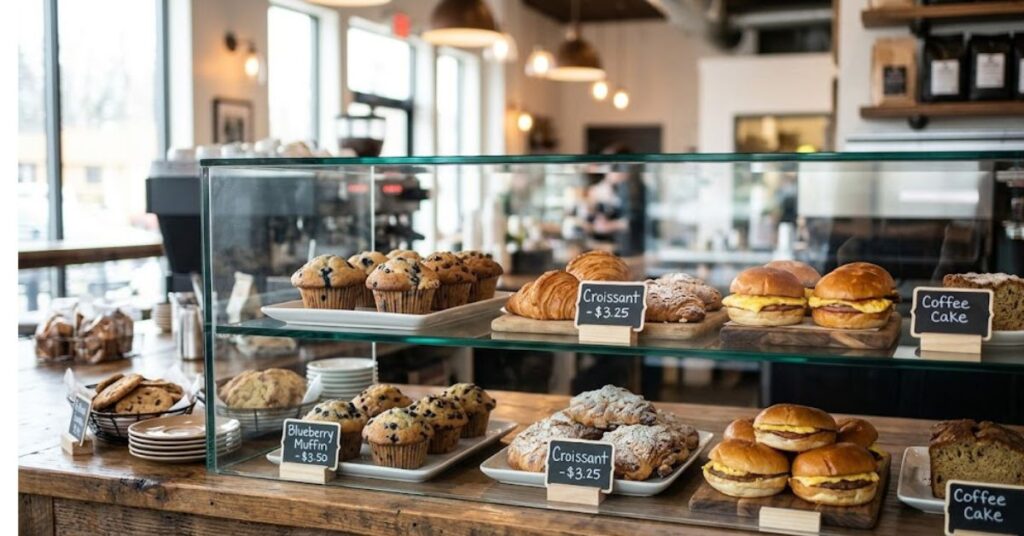
Alongside coffee, many coffee shops sell food items such as pastries, sandwiches, or salads. Offering food can dramatically enhance profitability due to higher margins on baked goods. A muffin may cost less than a dollar to prepare yet can sell for over $3, providing an excellent markup. Additionally, consumers often seek a full experience, and having food options can increase foot traffic.
Implementing a limited food menu rather than a full-scale café can help minimize waste and manage kitchen operations. Coffee shops often need to calculate the balance between offering diverse food items and maintaining quick service. Shops that focus solely on high-demand items often find success without the overhead of a full kitchen.
4. Brand Partnerships and Local Collaborations
Forming alliances with local bakeries, artists, or small businesses can create opportunities for collaboration and co-branding. For instance, a partnership allowing a bakery to sell their goods at your coffee shop can expand product offerings with little upfront investment. This pays dividends, as both parties can advertise the collaboration, driving customers to each location.
However, oversight is crucial. Many coffee shops overlook the costs involved in these partnerships, such as revenue-sharing agreements or merchandise handling fees. It is essential to negotiate terms that ensure a profitable partnership while sharing the costs evenly.
5. Merchandise and Branding
Shops can leverage their brand by selling merchandise such as mugs, T-shirts, or bags of their coffee grounds. Not only does selling merchandise provide an additional revenue source, but it also helps cultivate brand loyalty. Customers who purchase branded items act as ambassadors, effectively marketing the shop while they use these products in their daily lives.
Common mistakes include overextending the product range too quickly or choosing merchandise that does not related with the customer base. Conducting market research before launching merchandise lines can help mitigate such risks and ensure products align with customer preferences.
6. Events and Community Engagement
Hosting events such as open mic nights, art exhibitions, or coffee tasting sessions can create additional revenue streams while enhancing the shop’s community presence. By charging a small admission fee, offering a discounted coffee menu during events, or partnering with local artists, coffee shops can draw crowds and cultivate a loyal customer base.
However, managing events requires careful planning and resource allocation. Shops often miscalculate the staffing requirements or operational costs associated with the event, reducing profitability. Setting clear budget limits and closely managing resources is crucial to making the most of event opportunities.
7. Subscription Services
In recent years, coffee shop subscriptions have gained popularity, with customers paying a monthly fee for unlimited drinks. While this may sound counterintuitive for profit, it ensures a consistent cash flow while fostering customer loyalty. Subscribers tend to spend more over time than casual customers who may visit sporadically.
The challenge lies in determining the subscription structure, such as the number of drinks included and the cost. Many shops that pursue this model make the mistake of overestimating customer consumption, leading to diminishing returns.

Common Mistakes to Avoid
Starting a coffee shop can be exciting, yet many entrepreneurs fall into pitfalls that hinder profitability. Some common mistakes include:
- Improper Inventory Management: Overestimating demand can lead to wasted products or ingredient spoilage.
- Neglecting Customer Experience: Focusing solely on profit can result in poor service that drives customers away.
- Ignoring Marketing: Even the best coffee shops require marketing to compete effectively.
Conclusion and Next Steps
Coffee shops utilize diverse revenue streams: product sales, upselling, food options, partnerships, merchandise, events, and subscriptions. Understanding these avenues not only helps in better revenue creation but also promotes consistent operations. If you’re interested in starting your coffee business, begin by identifying the revenue streams that resonate most with your vision and target audience. Prioritize your approach to ensure profitability while enriching the local community experience.