How Coffee Shops Handle Rush Hours
The Reality of Rush Hours
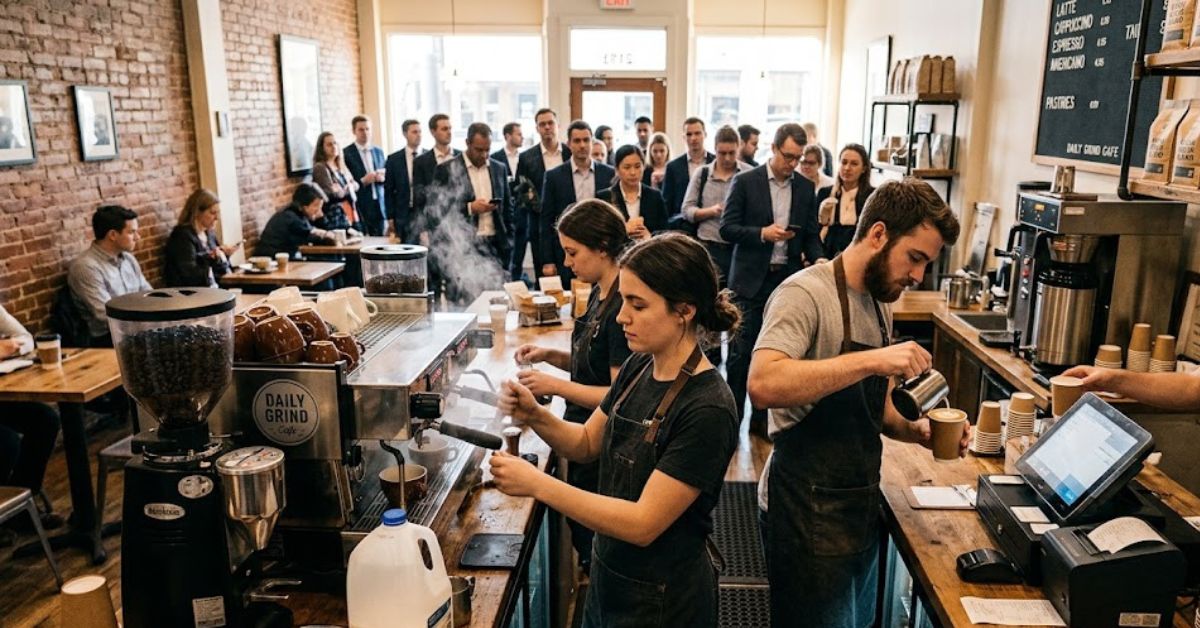
We’ve all been stuck in that 8 AM coffee line, anxiously eyeing the clock while the folks behind the counter operate like a well-oiled, highly caffeinated machine. It’s a complete blur of steaming milk, pulling espresso shots, and calling out names. As someone who spends a good chunk of my week hanging out in cafes, watching this daily morning frenzy always gets me wondering how they manage to keep the whole place from completely falling apart. It clearly takes some serious coordination to survive the peak-hour wave, and honestly, getting a peek behind the curtain at how these shops actually pull it off makes you appreciate that first sip of the day even more.
Preparation Is Crucial
One of the first strategies coffee shops employ is the meticulous preparation that occurs before the morning rush begins. Being ready starts the night before, where ingredients such as coffee beans are ground in batches, mixers are set up, and pastries are baked or reheated. This allows for a smoother operation when customers arrive.
For instance, having pre-measured coffee grounds for different brew methods saves precious seconds. A common ratio of 1:15 of coffee to water for brewing means that baristas can quickly adjust their grind size based on the brewing method being used, whether it’s espresso or pour-over.
A mistake many people overlook is thinking that all preparations are done in the morning. In reality, a successful coffee shop already has strategies in place before the doors even open, making the morning hustle feel like second nature.
Streamlined Menu Options
An essential aspect of managing flow during rush hours is having a streamlined menu that eliminates complexity. Shops often offer a simplified list of popular items during peak times, focusing on quality over quantity. This approach prevents customers from feeling overwhelmed, speeding up decision-making.
For instance, instead of a 20-drink menu, a shop might highlight five signature drinks. This allows for quicker service as baristas become experts on a few items rather than spread thin across many options. A common mistake is attempting to offer everything at once; this often leads to longer preparation times and customer frustration.
Aiming for a balance between speed and quality is crucial. While a lengthy menu might appeal to some customers, it can slow down service significantly at peak times. Choosing a few well-loved items can drive sales while minimizing chaos.
Staffing Strategies
Having the right number of staff is vital. Many coffee shops employ a staffing strategy that predicts busy periods based on historical data. This means during rush hours, baristas and support staff are allocated more efficiently. For example, a common trade-off is between hiring more full-time staff or relying on part-time employees who can fill in during busy periods.
For beginners, a small shop might benefit from cross-training employees. If one barista is tied up with espresso drinks, another trained in pastry can help with the register. Conversely, larger establishments can afford specialization but must ensure that coordination among team members remains tight to prevent workflow hiccups.
One common oversight is not tailoring staff roles for busy hours. Those who can handle multiple tasks should be prioritized for peak shifts, as this increases flexibility and the ability to respond quickly to changing demands.
Technology in Service Speed
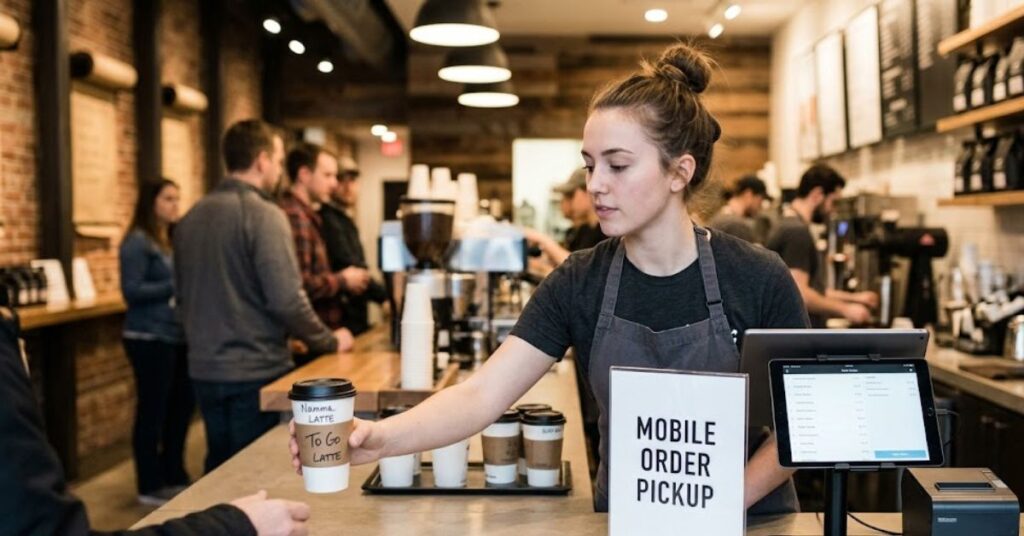
In the digital age, technology plays a significant role in handling rush hours. Many coffee shops utilize point-of-sale systems that streamline ordering and payment processes, reducing transaction times. Mobile ordering apps are also becoming increasingly common, allowing customers to place orders ahead of arrival, which cuts down on waiting times.
However, relying too heavily on technology can backfire. A common misconception is that technology alone can solve all problems. If a system crashes or an app goes down, it can create chaos instead of easing the rush. Understanding which technology adds actual value and ensuring staff is familiar with the system is critical.
Designing a Functional Layout
The physical layout of a coffee shop significantly impacts how well it can handle rush hours. A well-thought-out design allows a smooth flow of customers from ordering to pick-up. Ideally, the ordering area should be distinct from the pick-up area, reducing bottlenecks as customers meander through the shop.
Another practical detail is signage; clear signs help customers know where to go and what to do. A mistake often made is not considering customer behavior in layout design. Flow should mirror how customers naturally move; otherwise, confusion can delay service.
Common Mistakes to Avoid
Many shops suffer during rush hours simply by not recognizing key pitfalls. Here are common mistakes:
- Overcomplicating the Menu: Too many choices can overwhelm customers and slow down orders.
- Underestimating Peak Times: Not analyzing historical sales data can lead to inadequate staffing, leading to long waits.
- Neglecting Employee Training: Staff unfamiliar with equipment or procedures can slow down service, especially during rush hours.
Which Option Is Best?
When considering strategies for handling rush hours, some methods prove more effective than others. For example, streamlining the menu often yields significant benefits in customer satisfaction and speed. In contrast, implementing complex technology may not always justify its introduction and could introduce points of failure.
The best approach combines several strategies tailored to the shop’s size and style. Smaller shops might rely heavily on employee cross-training and menu simplification, while larger establishments can benefit from technology and detailed layout planning.
Conclusion
Handling rush hours in coffee shops is an intricate dance of preparation, staffing, technology, and layout. Each component plays a crucial role in creating a seamless experience for customers and staff. The most effective coffee shops carefully analyze customer behavior and historical data to adapt their strategies accordingly.
For baristas and shop owners, focusing on streamlining operations, preparing in advance, and employing the right amount of staff is a practical next step. Try adjusting your menu during peak hours first as it can lead to faster service and happier customers almost immediately.

Author: Kei Em Cee
I’m Kei Em Cee, and honestly? I’m just a coffee enthusiast exploring the world one cup at a time. I am not a world-class barista or a coffee scientist! I’m just someone who loves a great brew and wants to see how much better a daily ritual can get. From testing out new beans to figuring out why my French Press tastes better on some days than others, I’m learning as I go. Whether you're a lifelong black coffee drinker or someone who loves a splash of vanilla, I’m just here to share what I find along the way. Let’s see where the next bag of beans takes us.