
How to Make Coffee: From Basic Brews to Better-Tasting Cups
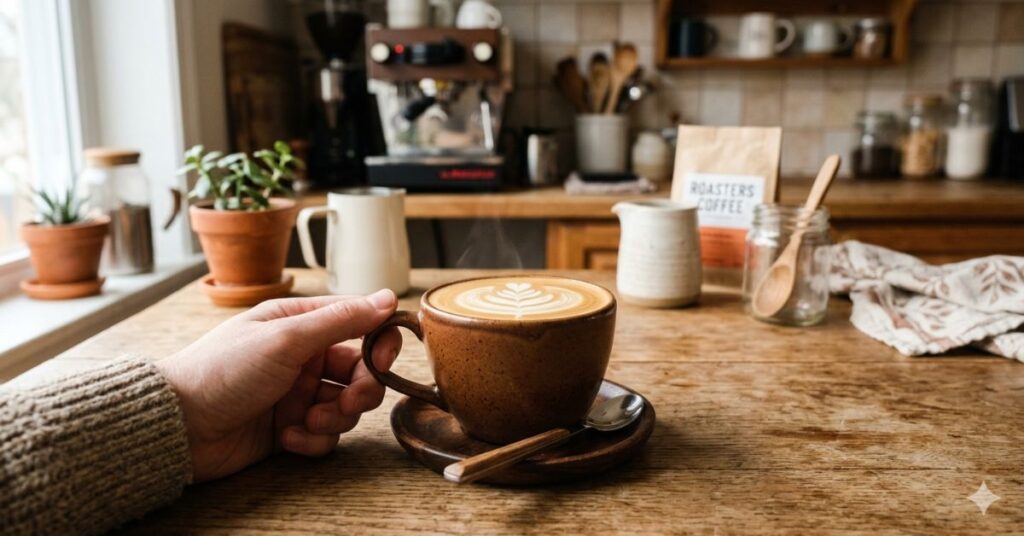
There’s a quiet difference between drinking coffee and actually enjoying it. Most people start with convenience: instant mixes, drip machines, maybe a splash of flavored creamer. But at some point, you realize your daily cup could taste a lot better with just a few small changes But making great coffee isn’t complicated. It’s about understanding your preferences, using the right method, and avoiding a few common mistakes. Let me walk you through on how to make coffee in a way that actually tastes good—and feels worth your time. Start With What You Like (Not What’s “Correct”) Before getting into techniques, it helps to accept one thing: there’s no single “right” way to drink coffee. Some people enjoy it bold and sweet, piling in sugar and cream until it becomes almost dessert-like. Others prefer it black and intense. There are even those who swear by flavored additions like vanilla creamers, despite debates about their ingredients versus their taste. The point is simple: your ideal cup starts with your preference. Everything else is just refinement. Step 1: Choose Your Coffee Beans The foundation of good coffee is, unsurprisingly, the coffee itself. What to look for: Step 2: Pick Your Brewing Method This is where coffee gets interesting. Different methods create completely different experiences. 1. Drip Coffee (The Everyday Standard) Tip: If your drip coffee tastes bland, try increasing the coffee-to-water ratio. 2. French Press (Rich and Full-Bodied) Many people treat French press coffee as a “weekend” option because it takes more time, but the payoff is worth it. 3. AeroPress (Balanced and Versatile) It’s often recommended as a practical upgrade if you want better coffee without investing in expensive machines. 4. Espresso Machines (For Precision and Control) Some home brewers swear by grinding beans fresh and using lighter roasts for better results. 5. Moka Pot (Strong and Stovetop-Friendly) A favorite for those who want intensity without a full espresso setup. 6. Cold Brew (Smooth and Low-Acid) Perfect if you like your coffee chilled and less bitter. Step 3: Get Your Ratios Right One of the most common mistakes is using too little coffee. A good starting point: If your coffee tastes weak, don’t blame the machine—adjust the ratio first. Step 4: Pay Attention to Water and Temperature It sounds minor, but it makes a big difference. (Some people do boil it aggressively for a very dark, intense brew. But that’s more of a personal preference than a recommended method.) Step 5: Customize Your Coffee This is where personality comes in. Common add-ins: Some combinations like iced coffee with vanilla flavoring are especially popular because they balance sweetness and bitterness well. Others keep it simple: Step 6: Keep Your Equipment Clean This step is often overlooked. Old coffee oils build up inside machines and can ruin the taste of fresh brews. Regular cleaning ensures: A Few Real-World Truths About Coffee If you listen to how people actually make coffee day-to-day, a few patterns show up: Final Thoughts: Make Coffee That Works for You You don’t need expensive gear or complicated techniques to make a good cup of coffee. What matters is understanding a few basics: good beans, proper ratios, and a method you enjoy. From there, it becomes personal. Maybe you’ll stick with a simple drip machine. Maybe you’ll experiment with a French press on weekends. Or maybe you’ll perfect an iced vanilla coffee that becomes your daily ritual. Whatever direction you take, the goal isn’t perfection. It’s a cup you genuinely look forward to. And once you find that, coffee stops being just a habit and starts becoming something you actually enjoy.