
Why Are Coffee Shop Drinks Expensive?
The Reality Behind Coffee Pricing
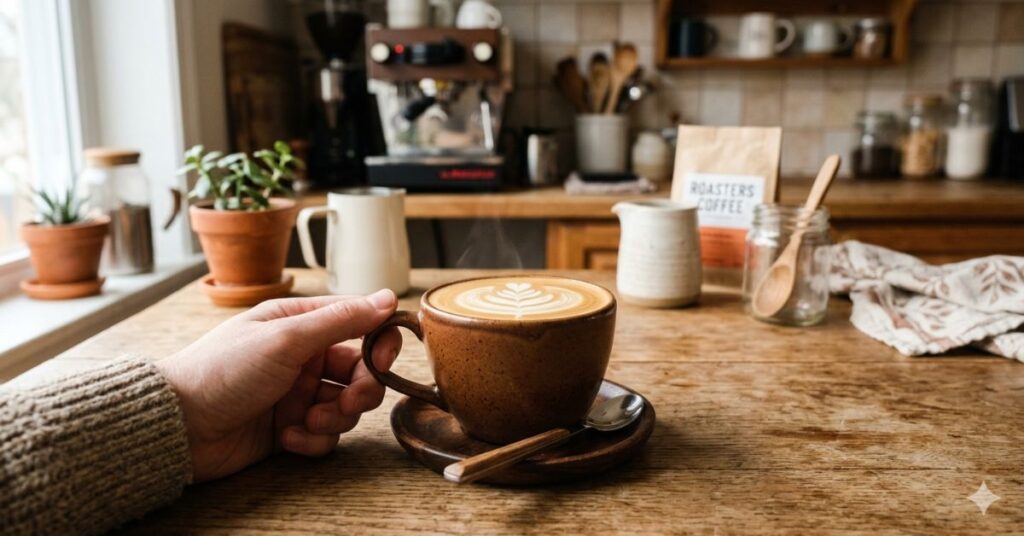
There’s nothing quite like the first sip of a perfectly poured latte, but sometimes the price tag on the menu is enough to jolt you awake before the caffeine even hits. Handing over five or six bucks for your morning coffee can feel a bit steep, especially when you’re just looking for a simple pick-me-up to start the day. It’s something I’ve caught myself wondering about while waiting at the hand-off counter: why is it so expensive? As it turns out, that total on the receipt covers a lot more than just water and roasted beans. Once you factor in ethically sourced ingredients, the skill of your barista, rent, and the overhead of keeping that cozy shop running, you start to see the hidden economy inside every cup. Let’s break down exactly what we’re paying for when we treat ourselves to a café run.
Ingredient Quality Matters
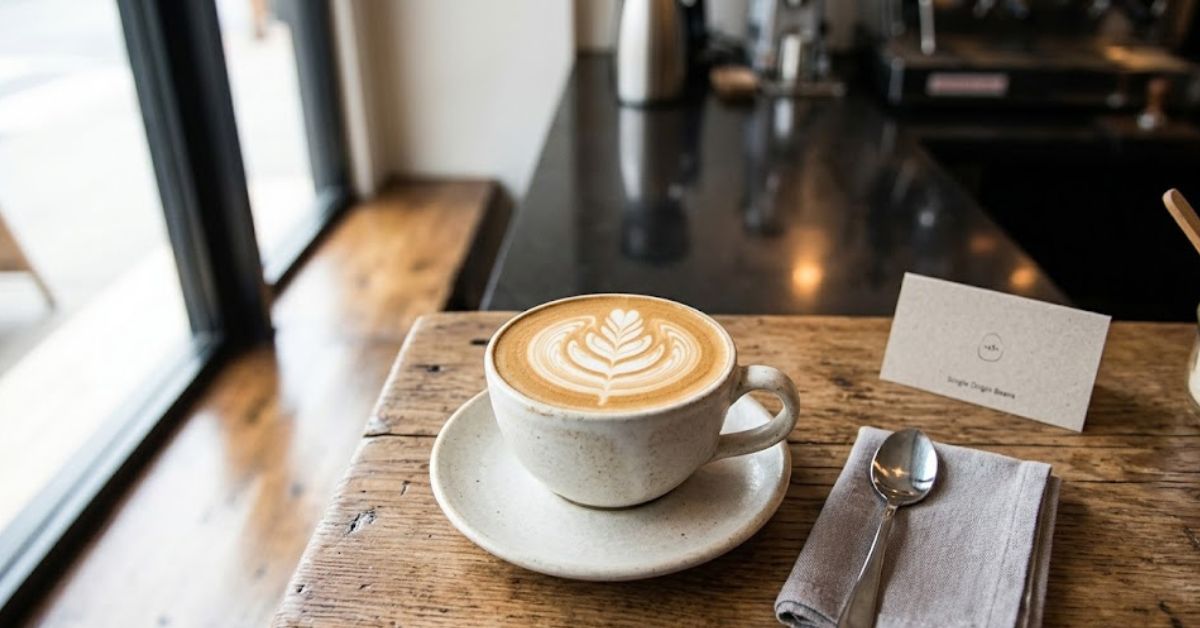
One of the most significant factors influencing coffee prices is the quality of the ingredients. Specialty coffee shops often source high-grade, ethically-produced beans that can be significantly more expensive than standard coffee. The costs associated with fair trade practices, organic farming, or sustainable sourcing are passed on to consumers.
For example, high-quality beans may cost between $10 to $20 per pound, which is far more than your typical grocery store coffee. The difference in flavor and quality justifies the higher price, but it also makes for a less budget-friendly cup of joe.
Labor Costs
Labor costs are another essential aspect. Coffee shops often employ skilled baristas trained to prepare drinks with precision and care. This expertise doesn’t come cheap. From crafting complex espresso shots to frothing milk perfectly, a skilled barista’s time and training play a crucial role in the overall flavor and presentation of your drink.
According to industry reports, wages for baristas can range from $15 to $25 per hour, especially in more expensive markets. When you factor in benefits and labor laws, it becomes clear that labor costs contribute significantly to the final price of each drink.
Overhead Expenses
Running a coffee shop involves various overhead expenses that can drive up prices. Rent is often one of the highest costs, especially in urban areas where real estate prices are substantially elevated. Additionally, utilities, equipment maintenance, and supplies (like cups, syrups, and pastries) all add to the financial burden.
For instance, a premium espresso machine can cost thousands of dollars and requires regular maintenance, further increasing the shop’s operating costs. These expenses are incorporated into the pricing of drinks, meaning customers end up paying a premium for the overall experience.
Marketing and Branding
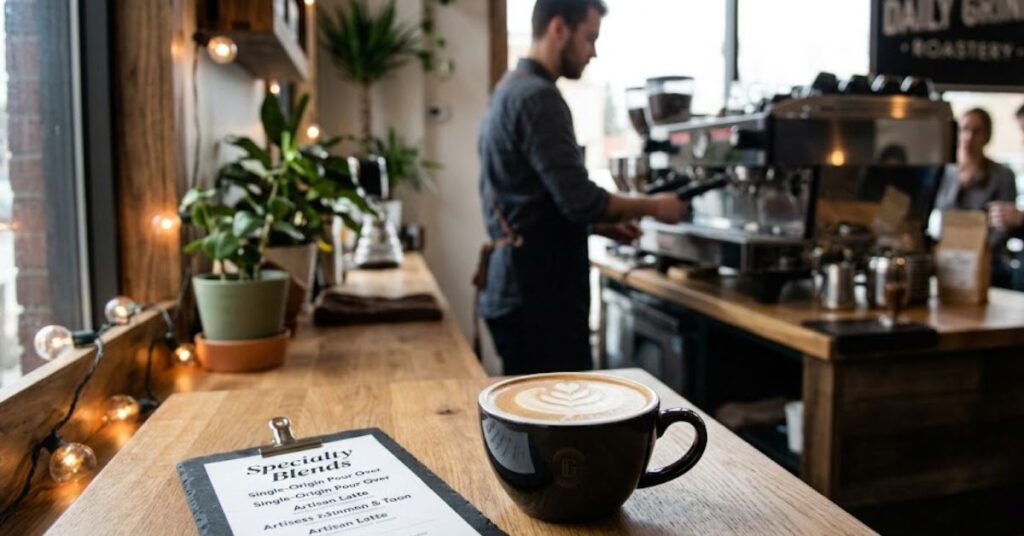
The branding strategy of a coffee shop also plays a vital role in pricing. Many coffee shops position themselves as premium brands, emphasizing quality, craftsmanship, and exclusive offerings. This branding comes with marketing costs, from social media promotions to in-store ambiance designed to enhance the customer experience.
The experience provided from shop decor to customer service, represents a value that many are willing to pay for, further inflating the prices of drinks. Shop owners understand that their unique branding allows them to charge more than generic coffee chains.
Consumer Behavior
Interestingly, consumer behavior can influence coffee pricing too. Many customers perceive a higher price as a signal of quality. This psychology allows coffee shops to charge more, confident that their customers will see it as a positive reflection of the drink’s value.
A common mistake is to assume that all coffee is created equal. Many customers are willing to spend extra for a “better” cup, associating price with quality. This phenomenon supports the pricing models employed by most coffee shops.
Common Mistakes When Considering Coffee Prices
One prevalent misconception is believing that all coffee sourced from a specific region or designation is the same. The reality is that processing methods and harvest conditions vary widely, affecting flavor and cost. For example, Colombian coffee may carry specific price points due to its renowned quality, but not all Colombian beans are premium.
Another mistake is underestimating the overall coffee experience, which includes skilled preparation and atmosphere. Customers often overlook that price reflects more than just the raw ingredients. They encapsulate the entire journey of that cup, from the farm to the café.
Which Coffee Shop Experience is Best for Your Budget?
Identifying the right coffee shop for your budget involves understanding your preferences and what you’re willing to pay for. If you prioritize quality and a unique experience, visiting a specialty coffee shop, despite higher prices, may be worthwhile. These establishments generally offer more than just a drink; they deliver an immersive experience.
On the other hand, if you seek affordability without the frills, franchise chains or local diners may provide a reasonable alternative. These places typically focus more on volume than on premium ingredients, allowing customers to enjoy coffee without breaking the bank.
Conclusion
In essence, the price of coffee shop drinks stems from many different factors, from ingredient quality to labor, overhead, and consumer perception. Understanding these elements can help justify the cost and guide your choices when purchasing coffee. Consider what you value most in your coffee experience; whether it’s the quality of the beans, the skill of the barista, or the ambiance of the shop. This awareness will enable you to enjoy your coffee while also being mindful of your budget.
Next time you find yourself in a coffee shop, take a moment to appreciate the journey your cup has taken before it reaches your hands. It might make that $5 latte feel a little more worth it.