
Essential Equipment Coffee Shops Need for Success
We’ve all stood in line at our favorite local spot, watching the baristas pull shots and steam milk in this mesmerizing, fast-paced rhythm. It looks like pure skill, and a lot of it is, but there’s a hidden backbone to that entire operation: the hardware. You can have the most incredible single-origin beans and a team full of latte art experts, but if the utilities can’t keep up with the morning rush, the whole thing falls apart. I’ve always been a bit of an equipment nerd when it comes to coffee, and I wanted to dig into what actually makes a café efficient. So, let’s talk about the heavy hitters, the essential equipment every shop actually needs to keep the coffee flowing and the line moving.
Espresso Machine: The Heartbeat of Your Coffee Shop
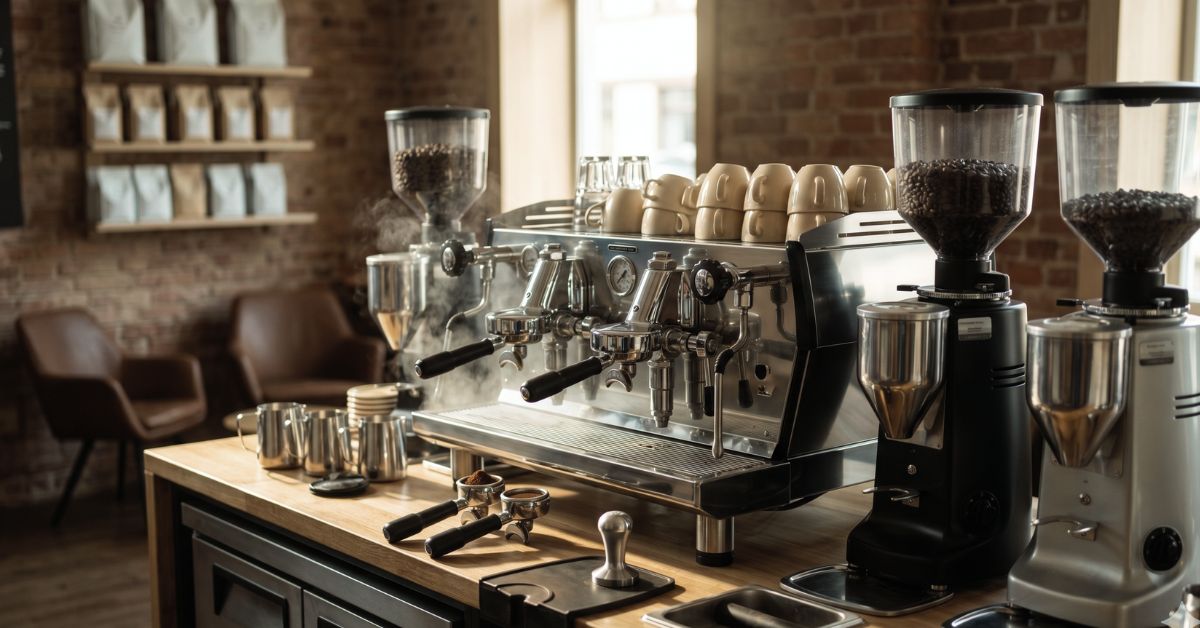
The espresso machine is not just a piece of equipment; it’s the cornerstone of a coffee shop’s offerings. A multi-group espresso machine allows for the simultaneous brewing of multiple shots, which is needed during peak hours. Top choices include brands like La Marzocco and Nuova Simonelli, known for their reliability and quality.
Why does this matter? Efficiency translates to a smoother customer experience, faster service can lead to higher sales and satisfied customers. A common misunderstanding is that expensive machines guarantee the best coffee. While quality equipment is vital, the skill of the barista plays a significant role too. Regular training and practice are just as important to getting consistently excellent shots.
Grinder: Precision and Freshness
Next on the list is the coffee grinder. Freshly ground coffee is fundamental to crafting exceptional beverages. A good commercial grinder, such as a Mahlkönig or Eureka, can significantly affect both flavor and consistency. It’s advisable to use a burr grinder, which provides a uniform particle size, crucial for espresso extraction.
Why this precision matters: Different brewing methods require different grind sizes. Coarse grounds are ideal for French press, while fine grounds are necessary for espresso. A common mistake is to overlook the grinder, focusing solely on the espresso machine, which can lead to uneven extractions and disappointing flavors. Invest in a quality grinder, and consider a backup for busy periods, nothing stops your service like a malfunctioning grinder.
Water Filtration System: Clean and Balanced
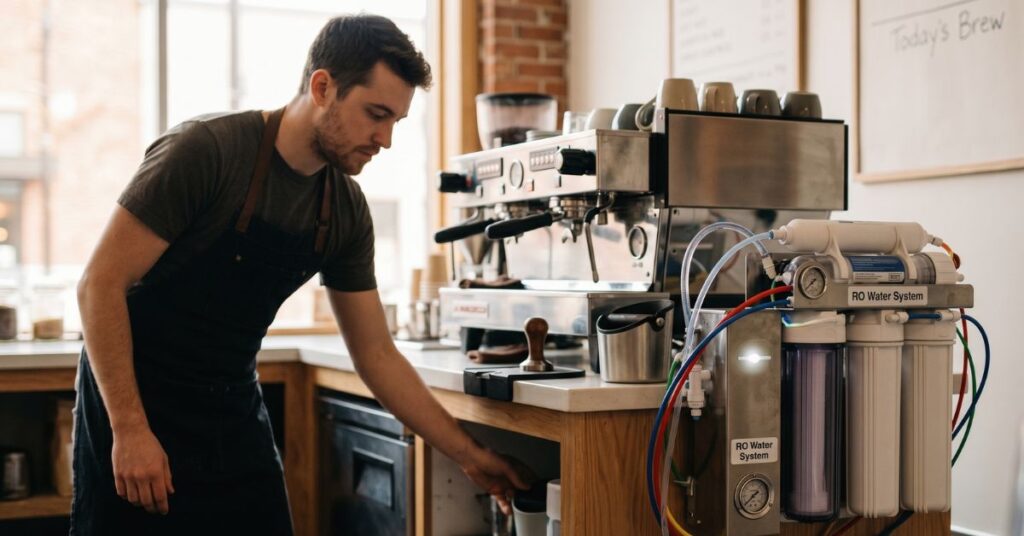
The quality of water used for coffee can dramatically impact flavor. A water filtration system ensures that minerals in the water are balanced, preventing bitterness in brews. For shops with high customer turnover, a reverse osmosis system can be beneficial. It provides purity and consistency, essential for high-quality espresso.
This matters because the wrong water can lead to damage in your equipment. Calcium buildup can clog machines and lead to costly repairs. Many coffee shop owners underestimate the importance of water quality. They fail to address this issue that can impact everything from flavor to equipment longevity. Regular maintenance of the filtration system is crucial to ensure it operates effectively.
Brew Bar: Versatility at Its Best
A brew bar is a perfect addition for coffee shops aiming to offer a variety of brewing methods. This space should include equipment for pour-over, French press, or Aeropress. Each method appeals to different customers who might enjoy a specific taste profile or brewing process. Popular choices for pour-over setups include the Chemex or Hario V60.
Why does this versatility matter? Offering multiple brewing methods can attract a broader customer base. Customers who may not enjoy espresso could find their preference in other styles. A common mistake is limiting the menu to espresso-based drinks, which can alienate potential customers looking for alternative options. Invest in quality brew bar tools to enhance your offerings.
Refrigeration: Keeping Ingredients Fresh
Refrigerators and display coolers are vital for keeping dairy products, syrups, and pastries fresh. A high-quality commercial refrigerator ensures that ingredients are stored at the correct temperature, maintaining freshness and safety. Display coolers can also enhance product visibility, enticing customers to make impulse purchases.
This equipment matters because using high-quality ingredients directly impacts product quality. Spoiled milk or stale pastries can lead to negative customer experiences. Commonly, coffee shop owners underestimate the importance of refrigeration, which can result in waste and loss of income. Consider investing in energy-efficient models that save on overhead costs while maintaining optimal temperatures.
Point of Sale (POS) System: Streamlining Transactions
A capable POS system is essential for modern coffee shops. A good system can manage orders, track inventory, and handle customer payments efficiently. Systems like Square or Toast offer user-friendly interfaces suitable for busy environments. Customizable options allow shop owners to tailor functionalities to their needs.
Why it matters: A reliable POS can lead to improved efficiency, reducing wait times and increasing customer satisfaction. A common mistake is choosing a system based solely on price rather than functionality. Look for features that integrate with your sales and inventory analytics for better decision-making down the line.
Seating: Creating the Right Ambiance
While not equipment in the traditional sense, seating greatly affects customer experience. Comfortable seating encourages patrons to linger, resulting in higher spending. Consider a mix of seating styles: cozy armchairs for relaxation or small tables for quick visits can cater to various customer needs.
Why this is crucial: An inviting atmosphere can enhance customer retention. Sparing no expense is a mistake to avoid; well-chosen furniture can raise the overall vibe of the coffee shop without breaking the bank. Mixed seating approaches allow for different customer experiences, attracting both those looking for a quick fix and those wanting a place to study or work.

Common Mistakes to Avoid
When setting up a coffee shop, many owners overlook these critical aspects:
- Neglecting regular maintenance of espresso machines and grinders can lead to costly repairs and poor beverage quality.
- Underestimating the importance of ingredient quality, particularly water, which can affect flavor and equipment longevity.
- Choosing a POS system based only on initial costs rather than desired features can hinder long-term efficiency.
Your Next Steps
In conclusion, setting up a successful coffee shop requires more than just a passion for coffee. Prioritize investing in quality equipment that enhances both efficiency and customer experience. Start with the essentials: a reliable espresso machine and a top-notch grinder. Then build upon that foundation with tools that can diversify your offerings, creating a welcoming space for customers. By doing so, you can position your coffee shop for success in a competitive market.