


History and Origin of Coffee: From Ancient Legends to a Global Ritual
Coffee started a long, long time ago in a place called Ethiopia, when a goat herder noticed his goats got super energetic after eating some red berries. People got curious, tried the berries, and eventually turned them into a drink to help them stay awake.
The drink became popular in places like Yemen and the Middle East, where people gathered in coffeehouses to talk, share ideas, and spend time together. Later, coffee spread to Europe, where it became a big part of daily life and culture.
As more people wanted coffee, it was grown in many countries around the world, especially in warm places near the equator. Today, coffee is one of the most popular drinks everywhere.
So basically, coffee went from a strange berry in the wild to a drink that people all over the world enjoy and share with others every day.
Coffee is so deeply woven into modern life that it’s easy to forget it began as something far more mysterious. It started as a wild plant discovered in a remote corner of the world, surrounded by myth, trade, and cultural transformation. To understand coffee today, you have to go back to where it all started: the highlands of East Africa, where its story is equal parts legend and history.
The Ethiopian Legend: Where Coffee’s Story Begins
Most accounts trace coffee’s origin to Ethiopia, specifically the region known as Kaffa. According to a widely told legend, a goat herder named Kaldi noticed something unusual about his animals. After eating bright red berries from a certain tree, his goats became unusually energetic, almost restless.
Curious, Kaldi tried the berries himself and experienced a similar boost in alertness. Word spread and eventually reached local monks, who began experimenting with the berries. Initially, they are said to have brewed them into a drink to help stay awake during long hours of prayer.
While this story is difficult to verify, it captures something essential. Coffee was not discovered in a lab or designed with intention. It was stumbled upon, observed, and slowly understood.

From Ethiopia to Yemen: The Birth of Coffee as a Beverage
Coffee’s transition from wild plant to cultivated drink happened across the Red Sea in Yemen. By the 15th century, coffee was being grown and traded systematically in the Arabian Peninsula. This is where the beverage as we know it truly took shape.
In Yemen, coffee beans were roasted, ground, and brewed into a drink called qahwa. It quickly became popular in Sufi communities, where it was used to maintain focus during spiritual rituals and night-long devotions.
The port city of Mocha became a major hub for coffee trade. For centuries, it was the primary gateway through which coffee entered the wider world. The term “mocha” still lingers today, though its meaning has evolved.
At this stage, coffee was more than a stimulant. It was tied to spirituality, discipline, and community.
Coffee Spreads Across the Middle East
From Yemen, coffee moved into major cities across the Middle East, including Mecca, Cairo, and Constantinople. By the 16th century, coffeehouses, known as qahveh khaneh, began appearing throughout the region.
These spaces were unlike anything seen before. They were not just places to drink coffee. They became social and intellectual centers where people gathered to discuss politics, philosophy, literature, and daily life.
In many ways, early coffeehouses functioned as the original public forums. They allowed ideas to circulate more freely than ever before.
Not everyone welcomed this change. Authorities in some regions attempted to ban coffee, fearing it encouraged dissent and social unrest. These bans rarely lasted. Coffee had already taken hold.

Arrival in Europe: Suspicion and Obsession
Coffee reached Europe in the 17th century, carried by traders and travelers returning from the Middle East. At first, it was met with suspicion.
Some critics labeled it the “bitter invention of Satan,” largely because of its association with Islamic culture. There were calls to ban it, especially in parts of Italy. The tide shifted when Pope Clement VIII reportedly tasted coffee and approved it, effectively neutralizing religious opposition.
Once accepted, coffee spread rapidly across the continent.
Coffeehouses opened in cities like London, Paris, and Vienna. In England, they became known as “penny universities.” For the price of a cup, people could engage in stimulating conversation and gain access to news and ideas.
In France, coffeehouses attracted philosophers and intellectuals. In Vienna, they became known for their refined culture and pastry pairings.
Europe did not just adopt coffee. It reshaped its social identity around it.
Colonial Expansion and the Global Coffee Trade
As demand for coffee grew in Europe, colonial powers sought to cultivate it in their overseas territories. This marked a major turning point in coffee’s history.
The Dutch were among the first to successfully transport coffee plants out of the Arabian Peninsula. They established plantations in Southeast Asia, particularly in Java, which quickly became synonymous with coffee.
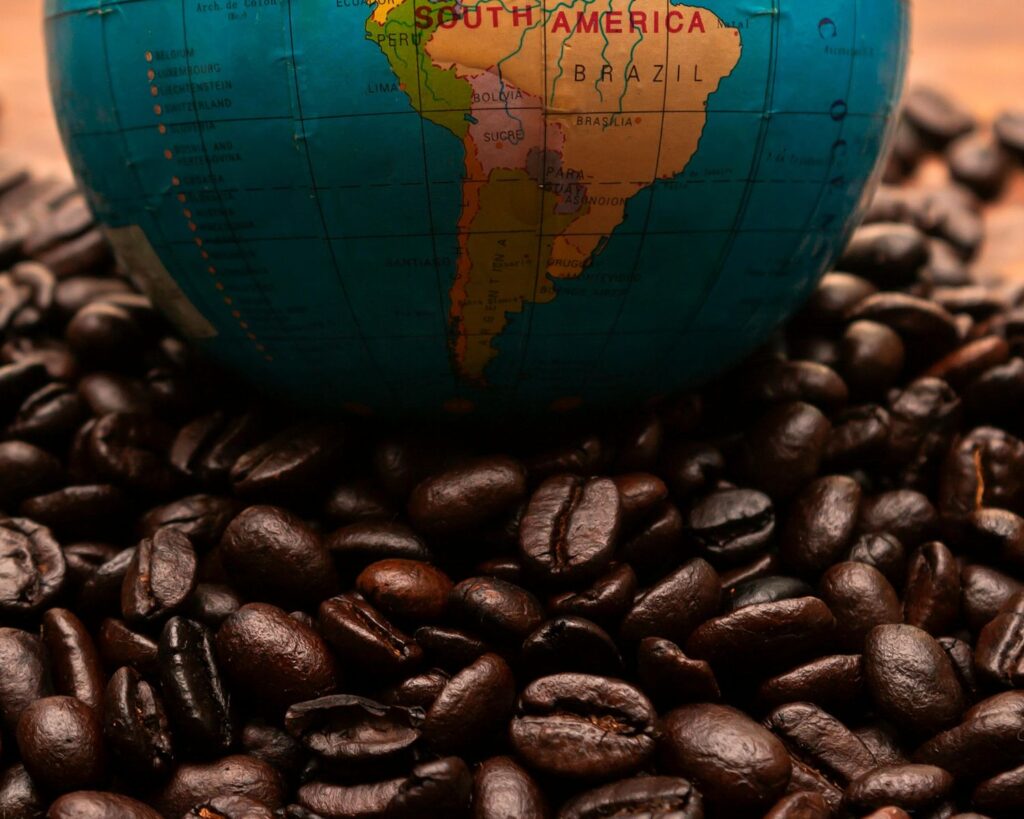
Soon after, coffee cultivation spread to the Caribbean, Central America, and South America. The French introduced coffee to the Caribbean islands, while the Portuguese expanded production in Brazil.
Brazil would eventually become the largest coffee producer in the world, a position it still holds today.
However, this expansion came at a cost. Much of the early coffee industry relied heavily on enslaved labor and exploitative systems. The global coffee trade, while economically powerful, is deeply tied to colonial histories that still shape the industry today.
Coffee in the Modern World
By the 19th and 20th centuries, coffee had fully transitioned into a global commodity. Advances in transportation, roasting, and packaging made it more accessible than ever.
Instant coffee emerged in the early 20th century, offering convenience at the cost of flavor. Later, the rise of specialty coffee shifted the focus back to quality, origin, and craft.
Today, coffee is grown in what is known as the “Coffee Belt,” a region spanning the equator that includes parts of Africa, Latin America, and Asia. Each region produces beans with distinct flavor profiles, influenced by climate, soil, and processing methods.
Modern coffee culture is diverse. It ranges from traditional brewing methods that date back centuries to highly technical approaches involving precise measurements and equipment.
The Cultural Evolution of Coffee
What makes coffee unique is not just its taste or caffeine content. It is how it adapts to culture.
In Ethiopia, coffee ceremonies remain an important social tradition, emphasizing hospitality and community. In Italy, espresso culture is fast-paced and ritualistic. In the United States, coffee often revolves around convenience and customization.
Each culture has taken coffee and made it its own, while still connecting back to the same origin.

Why Coffee’s Origin Still Matters
Understanding the history of coffee is not just an academic exercise. It changes how you experience it.
Every cup carries traces of its journey, from Ethiopian forests to Yemeni ports, from colonial plantations to modern cafés. It reflects centuries of trade, innovation, conflict, and creativity.
It also raises important questions about sustainability, fair trade, and ethical sourcing. As consumers become more aware of where their coffee comes from, there is a growing emphasis on supporting farmers and improving conditions across the supply chain.
Final Thoughts
Coffee did not become a global staple overnight. It evolved through centuries of discovery, resistance, adaptation, and reinvention. What started as a curious berry in Ethiopia is now one of the most consumed beverages in the world.
At its core, coffee still serves the same purpose it did centuries ago. It brings people together, sharpens the mind, and creates space for conversation.
The next time you take a sip, you are not just drinking coffee. You are participating in a story that has been unfolding for generations.