
Coffee for French Press: How to Brew the Perfect Cup at Home
For coffee lovers, the French press is more than just a brewing device. It’s a tool that unlocks bold, rich flavors and gives you complete control over every element of your cup.
Unlike drip machines or single-serve brewers, the French press allows you to experiment with beans, grind size, water temperature, and steeping time, making it ideal for those who want a truly hands-on experience.
Making French press coffee the right way can feel intimidating if you’re new to it. From selecting the right beans to finding the perfect water-to-coffee ratio, small differences in technique can drastically affect the taste.
Why French Press Coffee Stands Out
French press coffee is distinct because it is an immersion brew. The coffee grounds are fully submerged in water during steeping, which allows for maximum extraction of oils and flavors. Unlike drip coffee, which passes through a paper filter that traps oils, a French press produces a thicker, richer cup.
French press coffee is prized for:
- Full-bodied flavor: The metal mesh filter allows natural oils and fine particles to remain in the coffee, creating a robust, velvety texture.
- Lower acidity: French press coffee tends to be smoother and less acidic than drip coffee, making it gentler on the stomach.
- Control over extraction: You can adjust steeping time, grind size, and water temperature to match your taste preferences.
The tradeoff is that French press coffee requires attention and care. The brewing process is hands-on, and small variations can influence the flavor.
Choosing the Right Coffee Bean
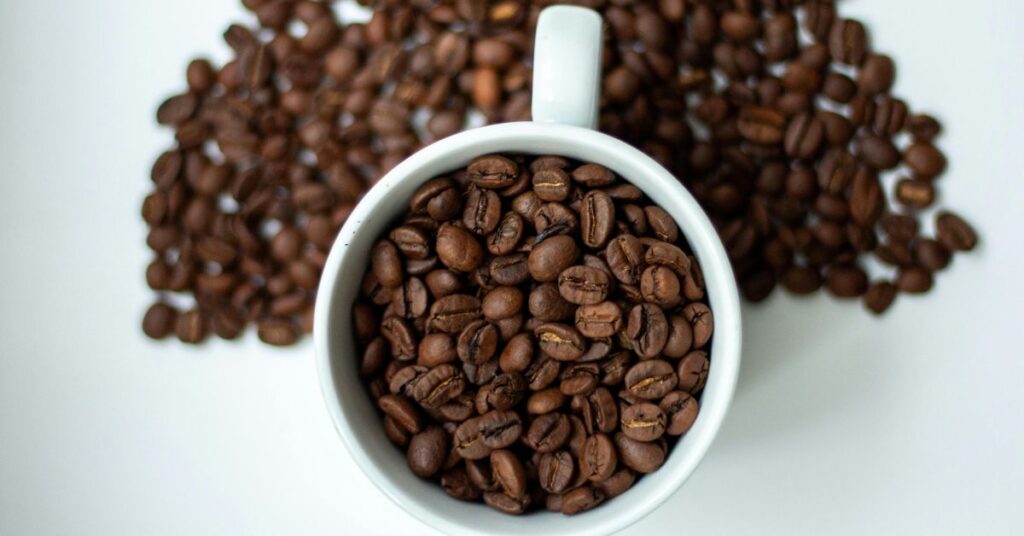
The foundation of great French press coffee is the beans. To maximize flavor:
- Freshly roasted beans: Coffee loses flavor quickly after roasting. Look for beans roasted within the past two to three weeks.
- Coarse grind: A coarse grind prevents over-extraction, reduces sediment, and ensures the plunger moves smoothly.
- Bean type and roast: Arabica beans are popular for smoothness, while single-origin beans such as Tanzanian Peaberry or Kona coffee create unique flavor profiles. Light, medium, or dark roasts all work depending on taste. Light roasts produce brighter, more acidic notes, medium roasts balance sweetness and body, and dark roasts yield bold, smoky flavors.
- Avoid pre-ground coffee: Beans ground too far in advance can taste stale. Grinding just before brewing preserves aroma and flavor.
High-quality beans are far more important than fancy gadgets or complex brewing methods.
Proper Coffee-to-Water Ratio
Getting the ratio right is key. Too little coffee produces a weak cup; too much can make it bitter. A reliable starting point is:
- Single cup (8 oz / 250 ml): 4 tablespoons (about 15 grams) of coarsely ground coffee
- Larger press (32 oz / 1 liter): 8 tablespoons (or 4 scoops of 2 tablespoons each)
Some people prefer slightly more coffee or a longer steeping time depending on taste. For example, 6 tablespoons and a five-minute steep in an insulated French press can produce a stronger, hotter cup. Consistency is essential, so using a kitchen scale to measure coffee can help achieve the same flavor every time.
Step-by-Step Brewing Instructions
Follow these steps for a rich, smooth cup:
1. Preheat your French press and cup
Fill the press and cup with hot water, then discard. Preheating keeps your coffee at the right temperature throughout brewing.
2. Add coarsely ground coffee
Use the amount appropriate for your press size.
3. Heat water to just below boiling
Let boiling water sit for 30 seconds before pouring. Water that is too hot can scald the grounds and create bitterness. Aim for around 200°F (93°C).
4. Bloom the coffee
Pour a small amount of water over the grounds to allow them to bloom. Let it sit for 30–45 seconds. Blooming releases CO2 and enhances flavor.
5. Add remaining water and stir gently
Stir to ensure all grounds are evenly saturated.
6. Steep for 4 minutes
Place the lid on the French press, but do not plunge yet. Steeping time affects extraction; four minutes is a standard starting point.
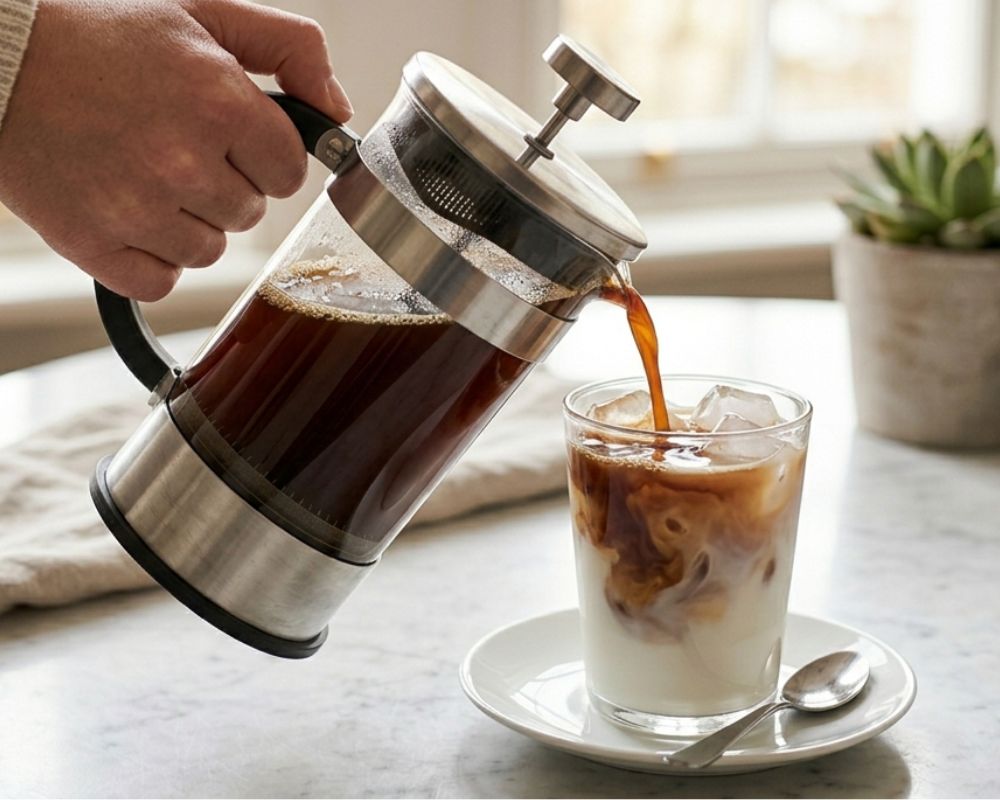
7. Plunge slowly
Press the plunger down steadily. A fast plunge can agitate the grounds too much and create sediment.
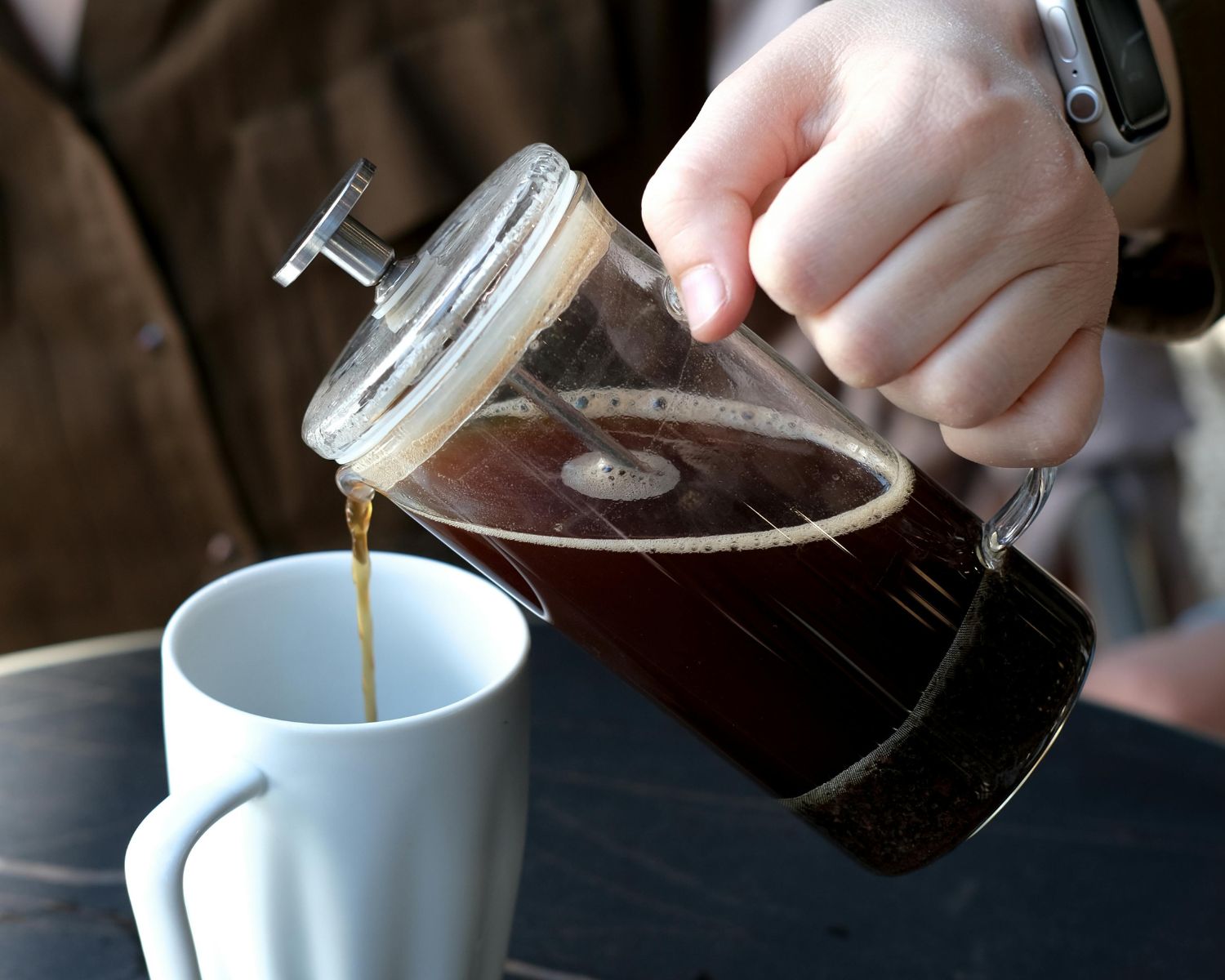
8. Pour immediately
Transfer the coffee to a pre-warmed cup to prevent over-extraction. Add milk, sugar, or spices as desired.
For an even smoother cup, allow the grounds to settle for a few minutes after plunging and skim off any foam before pouring.
Tips for the Best French Press Coffee
To consistently improve your French press experience:
- Use filtered water: Impurities can alter flavor.
- Experiment with grind and roast: Small adjustments can unlock new flavor notes.
- Stir before plunging: Ensures even extraction.
- Avoid leaving coffee in the press: Coffee continues to steep after plunging, which can create bitterness.
- Consider an insulated press: Maintains temperature for longer and allows slightly longer steeping without cooling.
Small tweaks in your method can make a noticeable difference in taste and texture.
Common Mistakes to Avoid
Even experienced coffee drinkers can make simple errors that affect flavor:
- Using too fine a grind: Leads to over-extraction and sediment.
- Pouring boiling water directly on grounds: Scalds coffee and creates a burnt taste.
- Steeping too long or too short: Alters strength and flavor balance.
- Skipping preheating: Can reduce temperature and weaken the cup.
Paying attention to these details ensures a consistently excellent brew.
Experimenting and Fine-Tuning
French press coffee encourages experimentation. Try adjusting:
- Steep time: 3–5 minutes depending on taste.
- Coffee ratio: Slightly more coffee can intensify flavor without bitterness.
- Water temperature: Test different temperatures around 200°F (93°C) to find your preferred balance.
Keep notes on each batch of coffee to track which beans, ratios, and steeping times produce your favorite results. Over time, you’ll develop a personal formula for the perfect cup.
Why French Press Coffee Is Worth It
French press coffee delivers:
- Full-bodied, aromatic coffee
- Lower acidity and smooth taste
- Hands-on control over brewing variables
- A satisfying morning ritual
While it requires more attention than a drip machine, the results are extraordinary. Once you master French press brewing, it’s easy to achieve a café-quality cup at home.
Final Thoughts
French press coffee is about more than caffeine. It’s about flavor, aroma, and the ritual of brewing. With freshly roasted beans, a coarse grind, proper water temperature, and careful steeping, you can brew coffee that rivals your favorite café.
Start with the recommended ratios and steeping times, then experiment to match your personal taste. Once perfected, the French press can deliver rich, aromatic, and satisfying coffee every morning, making it a favorite among coffee enthusiasts around the world.