
Compare Coffee Brewing Methods: Pour-Over vs French Press (And Which One Is Easier?)
At some point, most coffee drinkers start to wonder if their daily cup could taste a little better. Not more complicated or expensive, just better. That’s when the questions start to come up: is it worth switching to a French press or pour-over, or is a basic drip machine good enough?
The truth is, there’s no single “best” way to brew coffee. What works well for one person might not fit someone else’s routine, taste preferences, or patience in the morning.
We’ll compare three of the most common brewing methods: French press, pour-over, and drip, and look at what really matters: which one is easiest to use, and which one actually makes better coffee.
French Press: Rich Flavor, More Effort
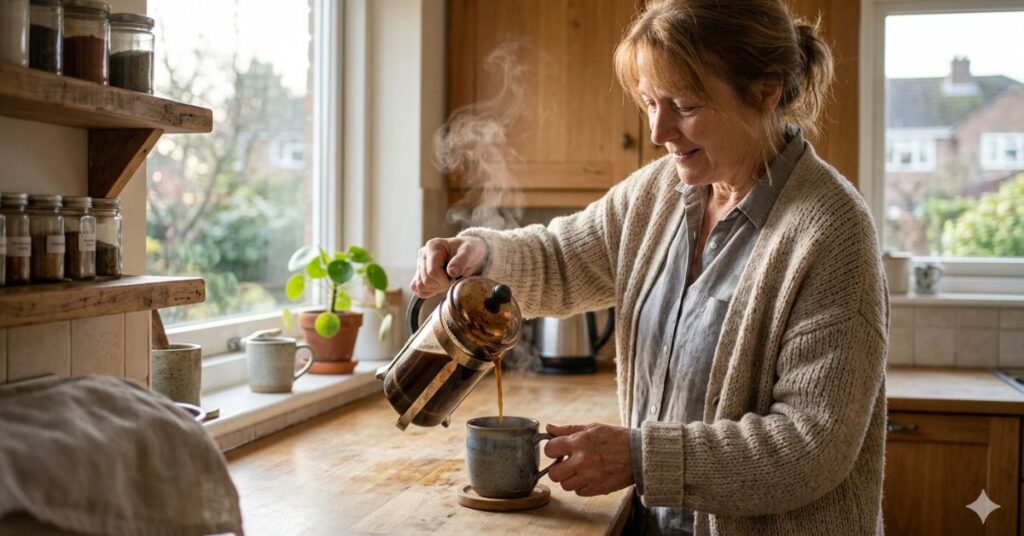
The French press has a reputation for producing bold, full-bodied coffee, and that reputation is well earned.
What it’s like to use
Using a French press is simple in theory:
- Add coarse coffee grounds
- Pour hot water
- Let it steep
- Press the plunger
But in practice, many users describe it as something closer to a craft than a routine. Small variables like steep time, grind size, and water temperature can dramatically change the result.
What people like about it
- Stronger, heavier body: The metal filter allows natural oils and fine particles into the cup, creating a thicker texture.
- Less acidic taste: Many people notice a smoother flavor compared to drip coffee.
- Stronger feel: Longer steeping often leads to a more intense cup.
If you enjoy bold and heavy coffee, this method delivers.
Downsides
- Cleanup can be annoying: Wet grounds are messy and need to be disposed of daily.
- Inconsistent results: Small mistakes can change the taste.
- More attention required: It is not a set-it-and-forget-it method.
Bottom line
French press works well if you care about flavor and do not mind a bit of effort. It rewards attention but can be unforgiving if rushed.
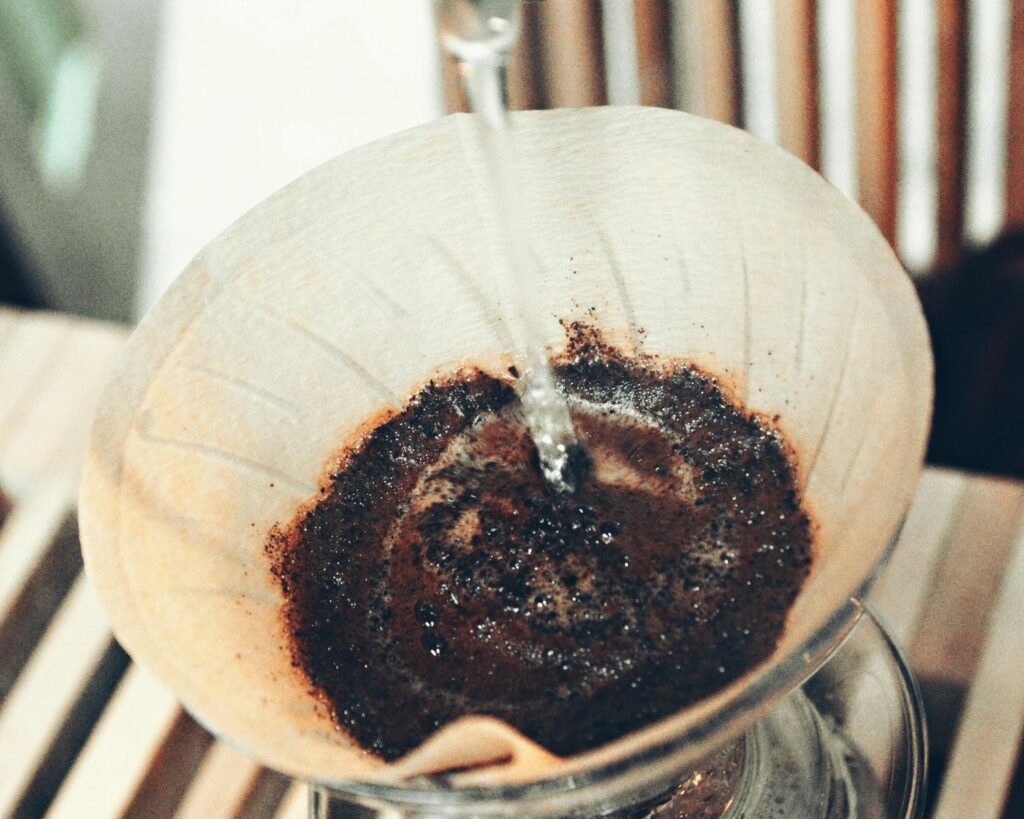
Pour-Over: Clean Taste, Hands-On Brewing
Pour-over sits between manual brewing and precision coffee making. It is often chosen by people who enjoy the process itself.
What it’s like to use
Pour-over involves:
- Placing a paper filter in a dripper
- Adding coffee grounds
- Slowly pouring hot water in stages
Control is the defining feature. You decide how fast to pour, how evenly to saturate the grounds, and how long the process takes.
What people like about it
- Clean, bright flavor: Paper filters remove oils and fine particles, resulting in a lighter cup.
- Highly customizable: You can adjust nearly everything to match your taste.
- Reliable with practice: Once you develop a routine, results become consistent.
Many people who struggle with French press move to pour-over for more control.
Downsides
- Requires focus: You need to actively manage the brew.
- Learning curve: It takes time to get consistently good results.
- More gear involved: Filters, dripper, and kettle all add to the setup.
Bottom line
Pour-over is ideal if you enjoy a hands-on process and prefer a clean, nuanced cup.
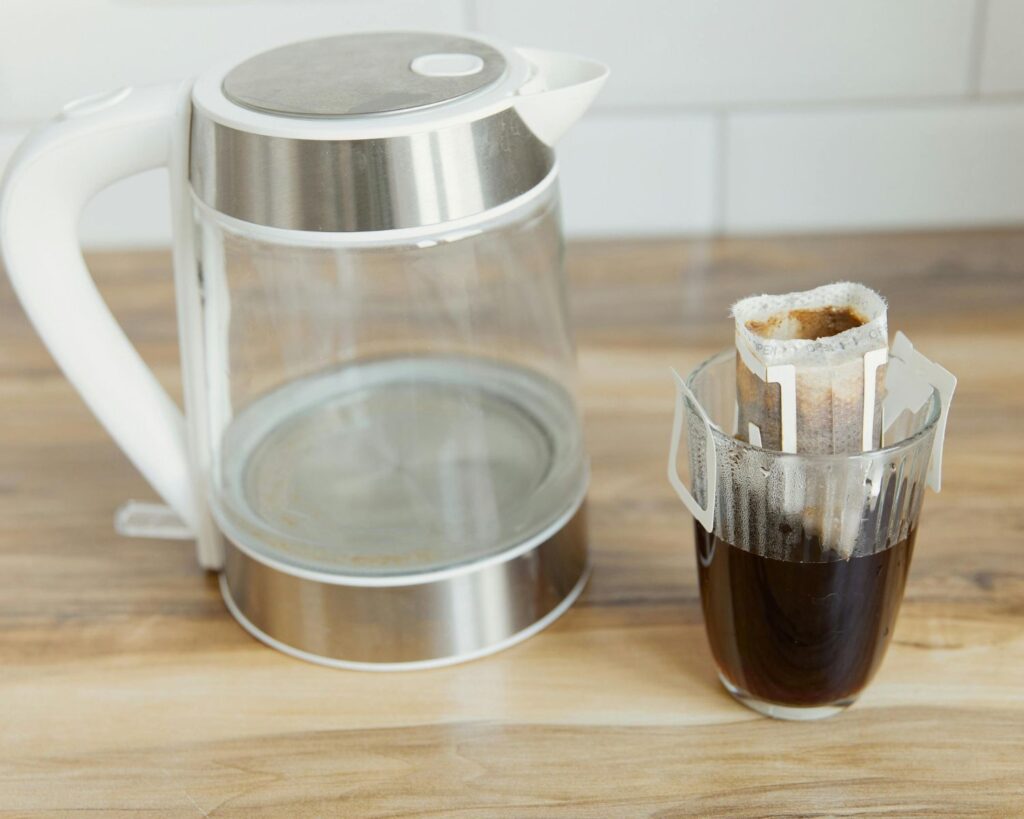
Drip Coffee Maker: Convenience First
If French press feels like a craft and pour-over feels like a ritual, drip coffee is all about practicality.
What it’s like to use
- Add water
- Add coffee grounds
- Press a button
That is all it takes.
What people like about it
- Very easy: No technique required
- Quick and efficient: Great for multiple cups
- Consistent: Delivers similar results every time
Many people emphasize that drip coffee is perfectly good if you use quality beans. In fact, bean quality often matters more than the brewing method.
Downsides
- Flavor can feel flat: Compared to manual methods, it may lack depth
- Machines need cleaning: Neglected machines can affect taste
- Limited control: You rely on the machine’s settings
Bottom line
Drip coffee is the easiest option. It works best for busy routines and low effort mornings.
What About Cold Brew?
Cold brew often comes up as an alternative worth trying.
Why people like it
- Smooth and low bitterness
- Naturally sweeter flavor
- Can be very strong depending on steep time
The trade-off
- Requires planning since it needs 12 to 24 hours to steep
Cold brew is not quick to prepare, but it can simplify your routine once ready.
Which Coffee Method Is Easier?
If ease is the main factor:
- Drip coffee maker is the easiest because it is automated
- French press is moderate with simple steps but messy cleanup
- Pour-over requires the most effort and attention
Ease also includes consistency. Some people find drip machines easier because they deliver predictable results every time.
Which One Makes Better Coffee?
This is where personal preference matters most.
Still, some general patterns stand out:
- French press produces bold and full-bodied coffee
- Pour-over highlights clean and bright flavors
- Drip focuses on convenience and consistency
Many experienced coffee drinkers eventually focus less on the method and more on bean quality and freshness. Freshly ground beans often make a bigger difference than switching brewing styles.
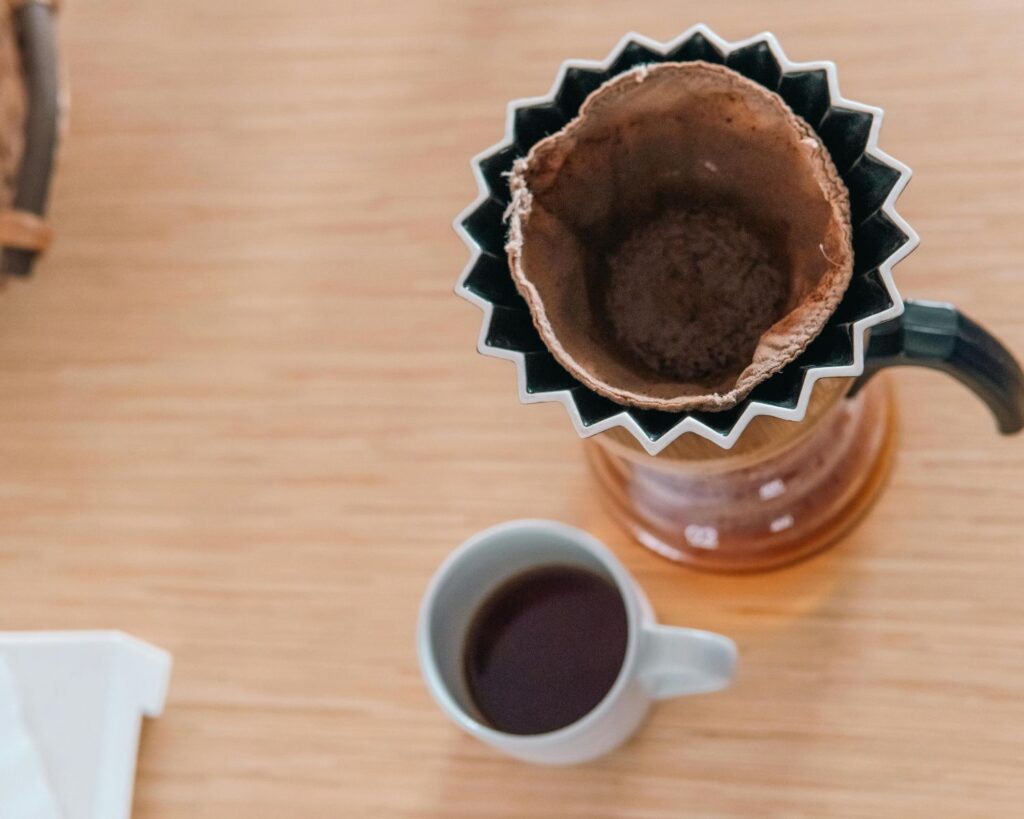
Key Factors That Matter More Than Method
Across all methods, a few variables consistently matter:
1. Bean quality
Better beans lead to better coffee
2. Grind size
- French press: coarse
- Pour-over: medium
- Drip: medium to fine
3. Water temperature
Incorrect temperature can affect extraction and taste
4. Brew time
Especially important for immersion methods like French press
Mastering these basics can improve your coffee more than changing equipment.
Final Verdict: What Should You Choose?
If you are just starting out:
- Choose drip for simplicity
If you want better flavor without too much effort:
- Try French press
If you enjoy precision and process:
- Go with pour-over
If you want smooth, low-acid coffee and can plan ahead:
- Try cold brew
A Simple Takeaway
There is no single best method. The right choice depends on your taste and lifestyle.
Some people want a quick cup before work. They can also make their coffee even without a machine. Others enjoy a slower, more deliberate process. Both approaches are valid.
Improving your coffee is less about switching methods and more about paying attention to the details that actually affect taste.
Ready to Improve Your Coffee?
Start simple:
- Use fresher beans
- Adjust your grind size
- Experiment with one method at a time
You do not need expensive equipment or complicated techniques. A few small changes can make a noticeable difference in every cup.