
Different Types of Coffee Explained
Walking into a coffee shop can feel a bit overwhelming, especially when the menu is filled with names that all sound familiar but somehow different. Latte, cappuccino, americano, flat white… it’s easy to wonder what actually separates them.
The truth is, most coffee drinks start with the same two ingredients: espresso and milk. What changes is how those two are combined. Once you understand a few basics, the menu starts to make a lot more sense.
This guide breaks down the most common types of coffee in a simple, everyday way so you can order with confidence or even try making them at home.
The Foundation: What Is Espresso?
Before getting into specific drinks, it helps to know what espresso is.
Espresso is a small, concentrated shot of coffee made by pushing hot water through finely ground coffee beans. It’s stronger in flavor than regular brewed coffee and serves as the base for many popular drinks.
On its own, espresso is usually served in a small cup and has a bold, slightly bitter taste. From there, everything else is just a variation.
Espresso (Straight Up)
Let’s start with the simplest one.
Espresso is just a single shot of concentrated coffee, usually about 1 ounce. It has a rich flavor and a layer of foam on top called crema.
People who enjoy strong coffee often drink espresso on its own, but it can feel intense if you’re not used to it.
Americano
If you like the idea of espresso but prefer something closer to regular coffee, the americano is a good option.
It’s made by adding hot water to a shot of espresso. This tones down the intensity while keeping the flavor smooth.
In many ways, it’s the closest thing to traditional black coffee in espresso-based drinks.
Latte
The latte is one of the most popular coffee drinks, especially for beginners.
It’s made with:
- 1 shot of espresso
- A large amount of steamed milk
- A small layer of foam on top
Because it contains more milk, the taste is mild, creamy, and slightly sweet even without added sugar.
If you’ve ever had flavored coffee like vanilla or caramel, it was probably a latte.
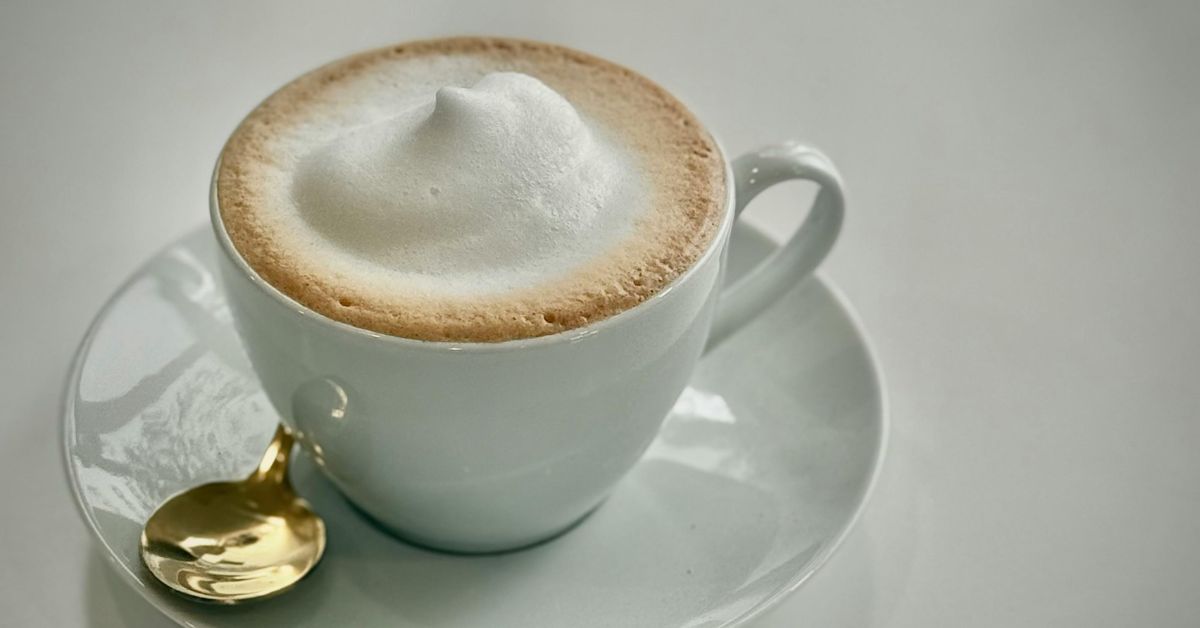
Cappuccino
A cappuccino is similar to a latte but has a different balance.
It typically includes:
- Equal parts espresso, steamed milk, and foam
The extra foam gives it a lighter, airier texture. The coffee flavor is stronger compared to a latte because there’s less milk overall.
If you like a bit more coffee taste without going fully black, cappuccino is a good middle ground.
Flat White
The flat white is often compared to a latte, but there’s a subtle difference.
It has:
- Espresso
- Steamed milk with very little foam
The milk is smoother and more blended into the coffee, which gives it a stronger coffee flavor than a latte but still keeps it creamy.
It’s a great choice if you want something balanced, not too milky, not too strong.
Macchiato
The word “macchiato” means “stained” or “marked,” which gives you a clue about how it’s made.
A traditional espresso macchiato is:
- A shot of espresso
- A small amount of milk or foam on top
It’s much stronger than a latte or cappuccino, since milk is only added in a small amount.
Just a quick note, some coffee chains use the term differently for sweeter drinks, so what you get can vary depending on where you order.
Mocha
If you enjoy chocolate, the mocha might be your go-to.
It’s essentially a latte with added chocolate:
- Espresso
- Steamed milk
- Chocolate syrup or cocoa
The result is a rich, slightly sweet drink that feels more like a treat than a basic coffee.
Iced Coffee vs Iced Latte
These two are often confused, but they’re not the same.
Iced coffee is usually brewed coffee that’s cooled down and served over ice. It has a lighter, more straightforward coffee taste.
Iced latte is made with espresso and cold milk over ice. It’s creamier and smoother.
If you want something refreshing and strong, go for iced coffee. If you prefer something milky and smooth, iced latte is the better pick.
Cold Brew
Cold brew has become very popular, and for good reason.
It’s made by steeping coffee grounds in cold water for several hours, often overnight. This slow process creates a smoother, less acidic taste.
Cold brew can still have a strong caffeine kick, even though it tastes less bitter.
How to Choose the Right Coffee for You
If you’re new to coffee or still figuring out your taste, it helps to start simple.
- If you don’t like bitterness, go for a latte or mocha
- If you want something close to black coffee, try an americano
- If you like a creamy texture but still want a coffee kick, choose a flat white or cappuccino
Over time, your preference might change, and that’s part of the fun. Coffee is one of those things where small differences can make a big impact.
Final Thoughts
At first glance, coffee menus can seem complicated, but most drinks are just different versions of the same base ingredients.
Once you understand how espresso and milk work together, everything becomes much easier to follow. You don’t need to memorize every detail. Just knowing the basics is enough to help you find what you enjoy.
And the next time you’re standing in line at a café, you’ll have a much better idea of what to order, and why.