How Much Do Baristas Earn?
Understanding Barista Salaries
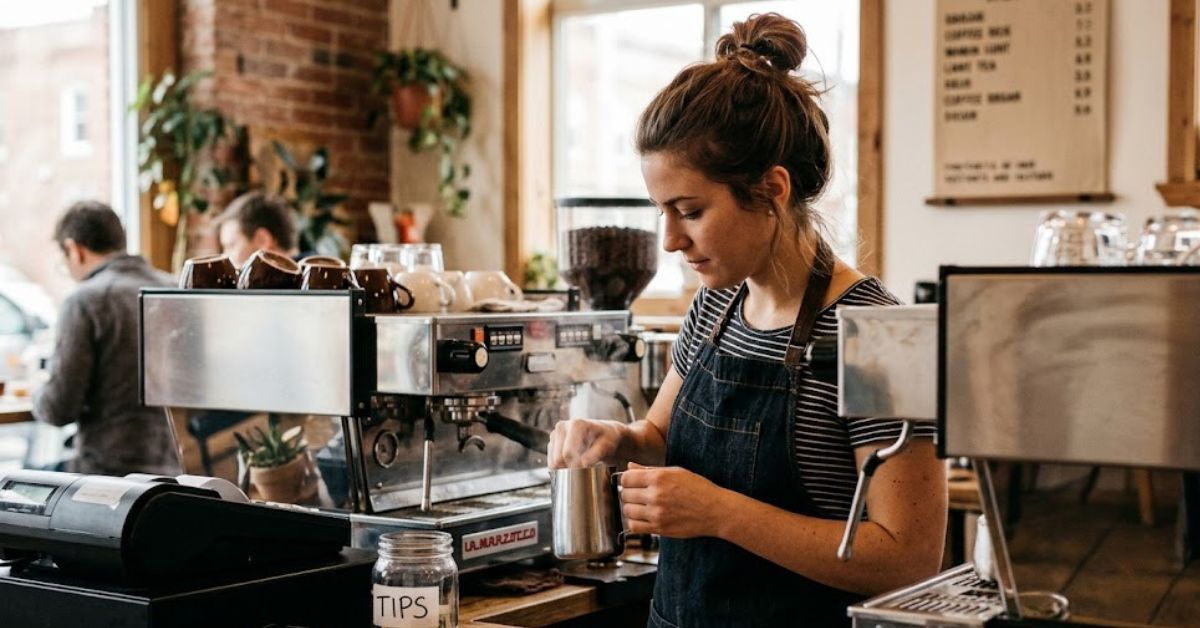
There is something so comforting about walking into your local cafe. The espresso machine is humming, the air smells like roasted beans, and the person behind the counter is expertly pulling your morning shot. Watching them juggle milk pitchers and steam wands with that kind of muscle memory got me thinking the other day: what does a job like that actually pay? It’s easy to just assume it’s a standard minimum-wage gig, but the reality of a barista’s paycheck is surprisingly complicated. I wanted to dig into what the people fueling our daily caffeine habits are actually bringing home, from the base rates to the hidden factors that really move the needle on their earnings.
Starting Salaries for Baristas
Let’s begin with the basics. The starting salary for baristas typically ranges from $10 to $15 per hour, depending on location and experience. In metropolitan areas, wages can be higher due to the cost of living; for example, a barista in New York City may see starting wages closer to $15 or more. However, it’s essential to recognize that this base wage is not the full picture.
Baristas often rely significantly on tips, which can dramatically affect their overall earnings. In busy shops, tips can add an extra $2 to $5 per hour, making the total compensation more appealing. For those considering a barista role, understanding this tipping dynamic is crucial. It allows for a more accurate prediction of potential income when weighing job options.
Factors Influencing Barista Earnings
Barista salaries are not just set by the clock. Several critical factors influence how much these coffee aficionados earn each year:
1. Location
Geographic location plays a significant role. Baristas in states like California or New York typically earn more than those in smaller cities. The reasoning lies in the consumer base and the higher cost of living in these areas. Working in a high-traffic, trendy coffee shop often results in better tips, further boosting earnings.
2. Experience
Experience can make a difference. Entry-level baristas may start at the lower end of the pay scale, but those who stay in the industry for years can see their hourly wages increase. Seasoned baristas may also land bartending roles at upscale locations that pay even higher wages.
3. Type of Establishment
Whether working in a chain coffee shop or a local café can impact earnings. Chain establishments often follow standardized pay scales, which may limit what baristas can earn. In contrast, independent cafés might be more flexible in setting wages and distributing tips.
Common Myths About Barista Earnings
A few misconceptions surround the earnings of baristas. One common mistake is assuming that all baristas struggle financially. While starting wages can be low, tips can significantly enhance income. Additionally, many baristas develop a passion for their craft, leading them to seek higher positions, such as shift supervisors or managers, which come with increased pay.
Another misconception is that baristas don’t earn benefits. While it depends on the employer, many coffee shops offer additional perks after a certain period, including health insurance, employee discounts, and flexible scheduling.
Baristas vs. Other Customer Service Jobs
When comparing salaries, baristas often find themselves in the same income bracket as other service workers, such as waitstaff or retail employees. But the tipping structures can vary greatly. Here’s a simple breakdown:
- Baristas: Typically earn hourly wages plus tips, averaging around $15 to $20 per hour combined.
- Waitstaff: Often earn a base pay lower than baristas, but tips can significantly increase total earnings, making average hourly earnings around $12 to $25.
- Retail Workers: Generally earn a flat hourly rate with minimal tips, leading to average earnings of about $11 to $18.
This comparison highlights that while barista wages may not be the highest, the potential for tips can make this profession financially rewarding when one navigates the industry wisely.

Side Hustles for Baristas
Many baristas choose to supplement their income through side hustles. Whether it’s freelance work, teaching coffee brewing classes, or even writing about coffee culture, there are various avenues to explore. Engaging in these side jobs not only increases overall earnings but also enhances a barista’s skill set and marketability.
Which Barista Job Is Right for You?
Deciding on the best barista job depends on what you’re looking for. If you seek flexibility and part-time work, a position at a local café might be the best fit. If earning more is a priority, consider applying to high-end coffee shops or those in bustling urban areas that see a steady customer flow.
For those who aspire to grow within the industry, targeting establishments that promote from within can lead to quicker promotions and salary increases. Evaluate not only the hourly wage but also growth potential within each environment.
Conclusion
Barista salaries can vary widely based on numerous factors, including location, experience, and type of establishment. Understanding these elements allows potential baristas to make informed career choices.
If you’re passionate about coffee and aren’t afraid of hard work, diving into this field can be rewarding, both financially and personally. Start by exploring local coffee shops that resonate with your values and goals; you may find not just a job, but a community.

Author: Kei Em Cee
I’m Kei Em Cee, and honestly? I’m just a coffee enthusiast exploring the world one cup at a time. I am not a world-class barista or a coffee scientist! I’m just someone who loves a great brew and wants to see how much better a daily ritual can get. From testing out new beans to figuring out why my French Press tastes better on some days than others, I’m learning as I go. Whether you're a lifelong black coffee drinker or someone who loves a splash of vanilla, I’m just here to share what I find along the way. Let’s see where the next bag of beans takes us.